


A U.S. District Court’s injunction allowing certain student-athletes to gain a fifth year of eligibility has added more chaos to the ever-changing landscape of collegiate athletics.
The ruling by U.S. District Judge Charlotte Sweeney on July 31 in Denver, Colo., specifically grants student-athletes who enrolled in the 2022 class a fifth-year of eligibility on top of their exhausted four years.
Already, multiple high-profile athletes have announced their return to their respective programs — especially ones that never received a professional contract.
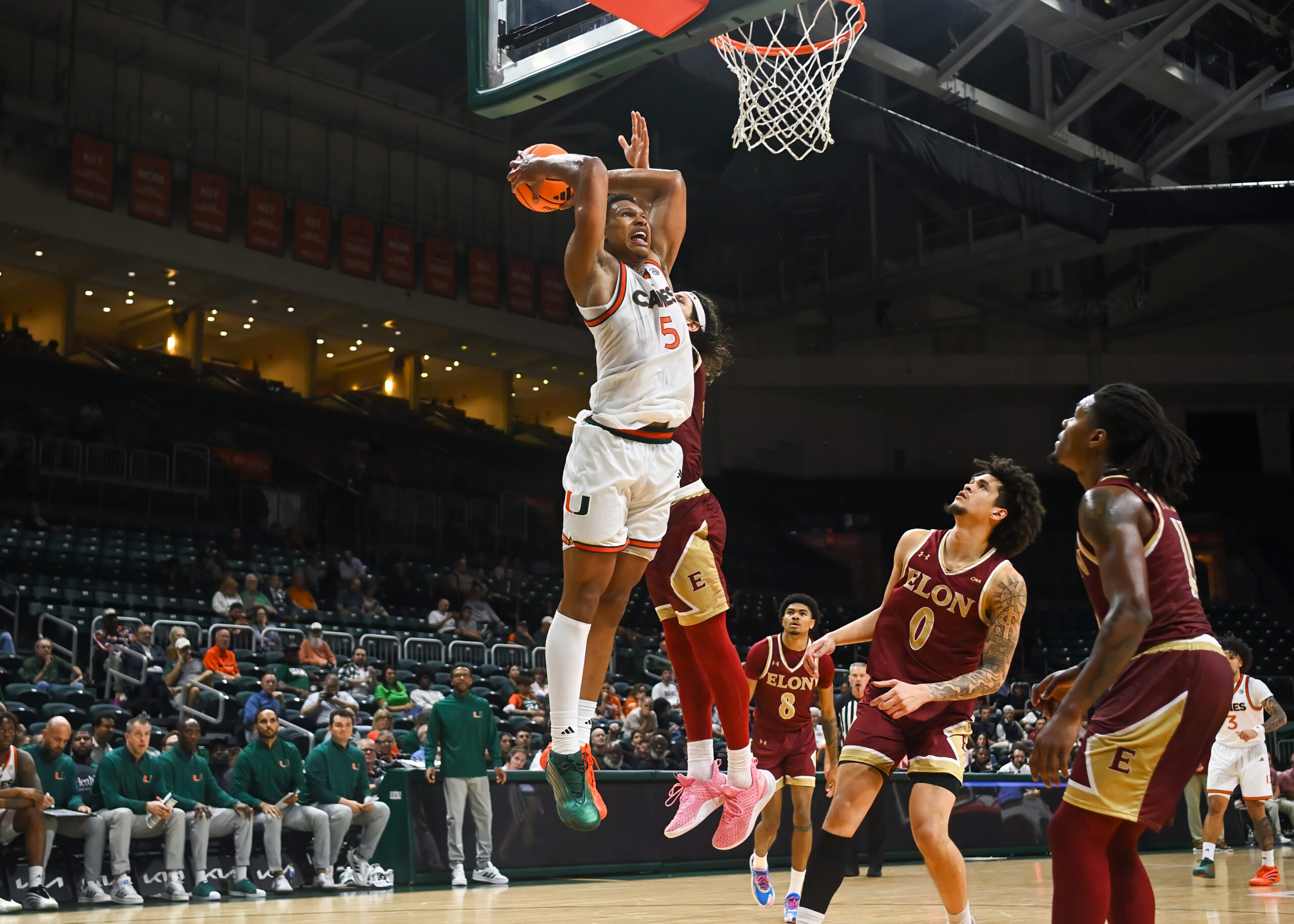
And, there’s even another group of athletes who are exploring a return to their collegiate programs despite signing professional deals, including former Miami Hurricane Malik Reneau.
A star player in men’s basketball’s historic turnaround last season, Reneau earned First Team All-ACC Honors with his 19 points per game en route to signing an Exhibit10 contract with the Orlando Magic earlier this summer.
With the transfer portal closed, many teams like Miami had already solidified their roster plans heading into the season. But with elite talents such as Reneau exploring returns, plenty of collegiate rosters could still have some shake-ups in store.
Miami isn’t the only institution that might feel the effects of the latest ruling, as the decision impacts the entire collegiate landscape.
Sweeney’s ruling directly undermines the NCAA’s new eligibility model — known as the “five-for-five” plan — and the NCAA is expected to appeal this decision.
The plan outlined a standardized process that started a five-year eligibility timeline beginning on enrollment or on a student-athlete’s 19th birthday, whichever came first. Extensions would no longer be granted for medical waivers since the fifth year would function as a precaution.
The plan, which was approved in June, hinged on starting with a clean slate this fall by not grandfathering in players who exhausted their four years of eligibility. This “clean slate” was designed to start the season without new rulings, setting a concrete standard in collegiate athletics compared to the previous “wild west” waiver process.
By granting thousands of former student-athletes another year of eligibility, the recent decision could impact both the effectiveness of the approved five-for-five plan and rosters across the country as sporting seasons rapidly approach.
The NCAA — a private entity — has no authority over court rulings. So, Division I and II programs can opt to ignore the NCAA’s plan in favor of the court’s decisions.
Teams favoring, and even pushing for, court rulings instead of the NCAA’s decisions has played out repeatedly over the past few years, especially concerning eligibility, highlighting the NCAA’s ineffective authority over its member institutions.
But while prior rulings largely focused on a single player or a handful of players seeking eligibility extensions, the recent Federal Court ruling encompasses a large scope of athletes across all sports.
Of course, the thousands of now-eligible student-athletes won’t all return, but enough will to impact the collegiate landscape.