


The University of Miami is estimated to have spent $15 million in NIL — Name, Image and Likeness — deals for the 2025-26 football season based on On3’s player valuations.
Football is the biggest sport in the U.S. With a big reputation comes big spending. Since college football was added to the NIL market, where athletes are paid to appear in advertisements or brand partnerships, it has skyrocketed to $1.67 billion.
The numbers can be dizzying, but schools like UM do not fund NIL deals directly. Funds for NIL deals come from boosters, third-party collectives, or Canes Connection.
The “Miami NIL King,” as ESPN dubbed him, John Ruiz, used to be one of the main sponsors for the Hurricanes. Two of Ruiz’s businesses — Cigarette Raising Team, a luxury powerboat brand, and Lifewallet — spent thousands sponsoring UM athletes until 2023.
At his peak, Ruiz was sponsoring 150 athletes for a total of $20 million. According to a post on X, he was not shy about his involvement with the $800 thousand NIL deal for Nijel Pack, the former Kansas State guard who transferred in 2022.
Ruiz maintained that none of his deals were pay-for-play, where student-athletes are compensated for being part of a specific team, but he knew there was a financial benefit to choosing the university.
“It was known throughout the country that, if you came to Miami and you played at Miami, you had a chance at getting a good NIL deal,” Ruiz told FOS.
Pay-for-play deals would violate NCAA regulations and could lead to thousands of dollars in fines.
Ruiz was not the sole supporter of UM’s NIL deals, even if his endorsements used to rival those of the NIL Collectives, independent organizations that pool funds for sponsorships. These groups are essential, not only for UM but for the NIL market as a whole.
The NIL Collectives frontloaded several $20 million contracts in June 2025, an 824% increase from June 2024.
Increasing interest in NIL deals for D1 athletes now makes it difficult for a single person to make as big an impact as Ruiz. That does not mean fans who want to contribute should be discouraged.
UM created opportunities for individual fans to support the Hurricanes, no business required.
Canes Connection, the NIL partner of Miami Hurricane Athletics, offers membership options from $25 all the way to $100 thousand. Fans can become members through the website. Every tier comes with increasingly exclusive rewards like signed merchandise or one-on-one meetings with the players.
The influence of these sponsors does not mean that UM has no responsibilities. Florida State Law mandates that all universities offer “financial literacy” and “entrepreneurship” workshops to student-athletes.
UM partnered with the content creation platform INFLCR, pronounced “influencer,” and Altius Sports’ “strategic advising” services to streamline the process. These companies work with Miami Exchange, a UM portal where businesses can easily contact student-athletes for NIL deals.
The investments (and UM services) are already being put to use for the upcoming 2026 season.
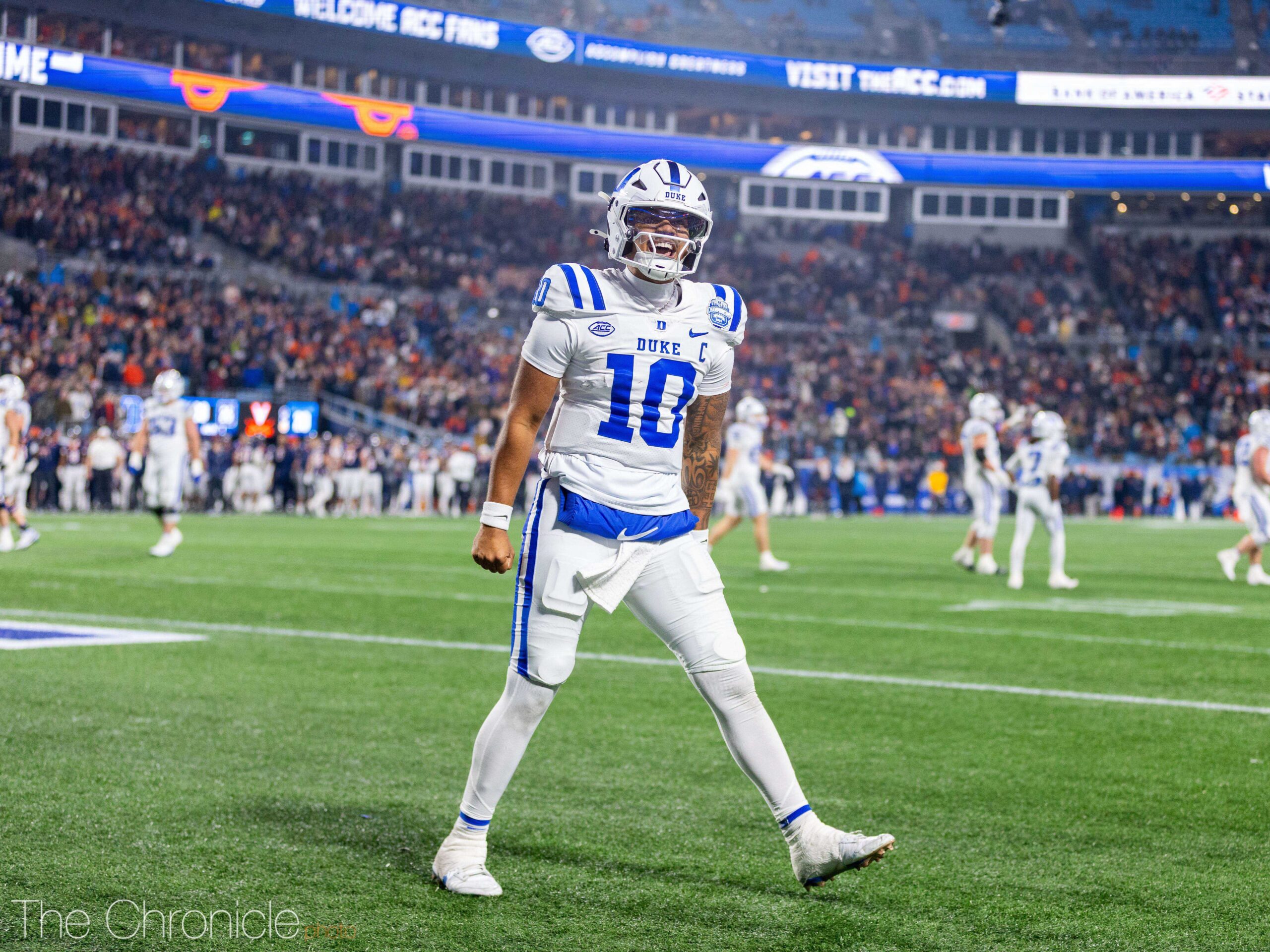
Quarterback Darian Mensah announced his commitment to UM in January, a week after entering the NCAA transfer portal. His NIL deal with Duke was reported to be $8 million across two years. Before he left for the Hurricanes, Mensah’s valuation was speculated to be a maximum of $10 million.
This is not the first time UM has spent large figures on a player.
When transferring to UM, Carson Beck’s NIL deal was rumored to be between $3 million and $4.9 million, according to different reports on On3. This estimation gives Beck the third-highest NIL valuation in college football and sparked conversation about UM’s NIL spending.
Before him, Cam Ward, UM’s QB during the 2024 football season, was paid more than $1.5 million. By 2025, that number jumped to $2.1 million. He credited UM for this increase in salary.
“The brand that Miami has, that was really the biggest thing,” Ward told YahooSports.
NIL deals don’t stop at football players. College basketball teams can be worth more than $10 million, like Duke.
Miami New Times compiled a list of UM’s top-earning athletes based on On3’s valuations. The player making the least was still earning more than $300,000 during their contract.
The shocking figures raise the question: Is the expense worth it?
High spending is not solely a UM phenomenon. All of the top 10 schools in the current CFP 2025 ranking spent over $10 million in NIL deals for their rosters.
Indiana, the CFP champions, spent $21 million on their 2025-2026, according to NIL-NCAA estimates. But even with their winning team, they did not pay the most.
In terms of top-spending schools, Texas A&M takes first place with $51 million between 2024 and 2025. The University of Texas, in second, reportedly paid between $35 and $40 million for its 2025 roster.
The Hurricanes, who are sixth with a $15 million NIL budget, beat Texas A&M in the College Football Playoffs despite having about $36 million less.
Funding seems to play a role in a team’s performance, but it is not the only thing to focus on.
The Hurricanes, despite their “smaller” budget, reached the College Football Playoffs National Championship for the first time in more than 20 years with Beck. With the recruitment of Mensah, Hurricane fans hope that 2027 will finally be the year the Canes bring home the trophy.