


As a Latina pursuing a career in STEM, I know what it feels like to be in spaces where I question whether I belong. In fields where women and people of color are historically underrepresented, it can be difficult to picture yourself succeeding.
That self doubt can turn into imposter syndrome, where even highly accomplished people of color still question their abilities or feel like they don’t deserve their success.
With more diverse voices entering politics, the 2026 midterms challenged longstanding ideas about who belongs in positions of power and opened doors for communities that have been historically overlooked.
This feeling of invisibility isn’t limited to labs or lecture halls. It follows people into every space where leadership rarely looks like them, especially our government.
In 2025, people of color made up only 26% of Congress despite making up 42% of the U.S. population, according to Pew Research Center.
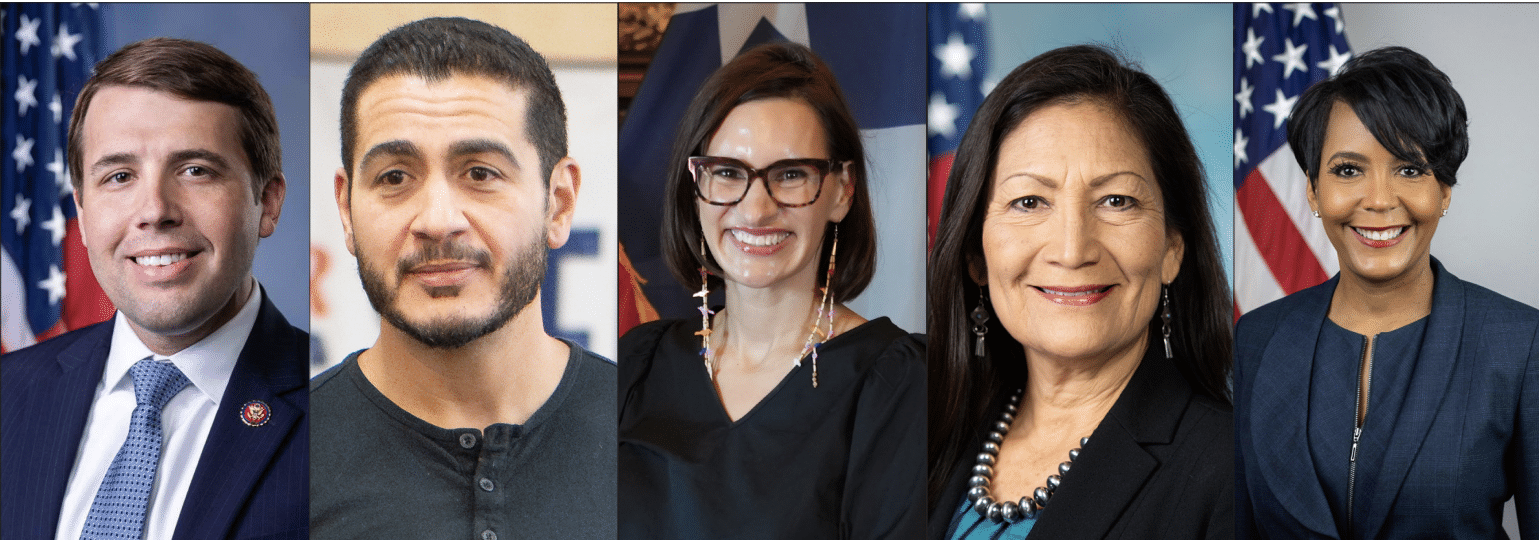
The 2026 midterms marked a new era in racial representation as voters sent a historically diverse group of leaders to governors’ offices and Congress.
American voters elected the first Black female governor, first Native American female governor, first Muslim U.S. senator, first openly gay male senator and first Native American female senator.
These wins are important because seeing people from underrepresented backgrounds in positions of power can inspire others to believe they belong in politics too.
There will also be a record 159 women serving in the 120th U.S. Congress. This new era of elected officials will be truly inspiring for the next generation of young female leaders.
Freshman Madeline Cruz, a Latina legal studies student, said the number of “firsts” in this election gave her hope.
“It was really inspiring to see the number of firsts in this recent election, because it signals a positive shift that the United States is heading towards,” Cruz said. “I feel like it provides a lot of hope for people who have been frequently overlooked.”
Cruz emphasized that it is important for young people to see themselves represented in politics.
“Seeing underrepresented groups have an impact in the political structure will only influence younger people to want to pursue similar paths, because they know it is possible to achieve,” Cruz said.
Although these milestones are long overdue, they are still steps in the right direction and will continue to open doors for the people who come next.
Progressive voters might argue that people should cast their ballot based on policy rather than identity. They’re right: Diversity alone does not guarantee effective or good leadership. But representation and qualifications are not mutually exclusive.
Representation doesn’t lower the standards for political leadership. Instead, it encourages a more diverse group of qualified candidates to run for office.
Historically, minority candidates — especially women of color — have faced disadvantages and barriers to entering politics, including limited access to funding and political connections. These firsts will now make it a little easier for the next person to try, and that’s why these wins were so important.
Our government should reflect the cultural melting pot we live in. When leaders from all backgrounds are elected, they bring a new set of experiences and know the issues that each community faces every day.
To me, that means a government that represents everyone, not just a few.
When I see someone who shares my background in power, it makes me feel seen and understood and I feel hopeful. I start to understand that all the things I’ve been told about where you belong aren’t true. That’s real power.
The 2026 midterms were important not only because of the records broken, but also because of how much they will inspire a diverse next generation of leaders to keep fighting for their place.