


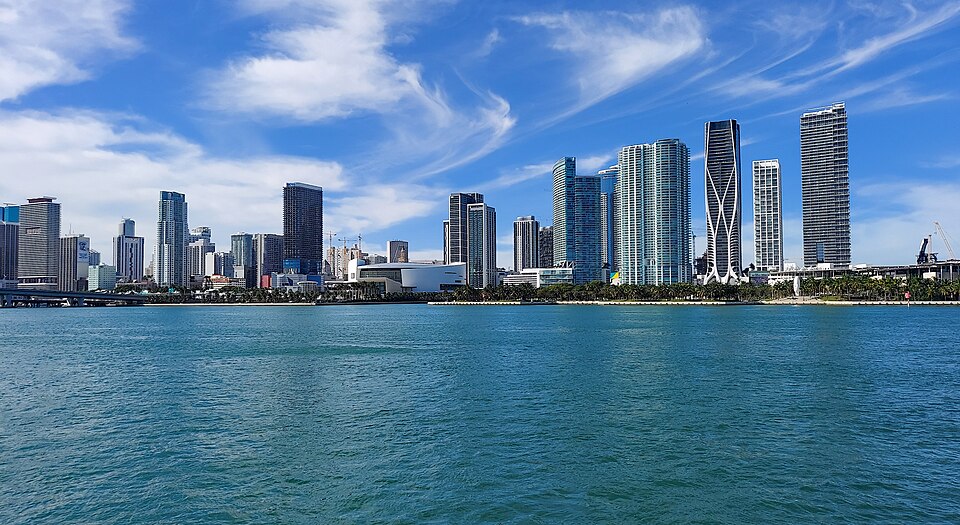
Miami may be known for its beaches, nightlife and year-round sunshine, but thousands of residents are choosing to leave it behind.
According to the U.S. Census Bureau, Miami-Dade County experienced a population decline of 10,115 residents between July 2024 and July 2025, ranking third among U.S. counties for the largest numerical population losses.
The county’s population fell from approximately 2.81 million to 2.80 million residents, a decline of about 0.4%.
Despite Miami’s reputation as a desirable destination for tourists, entrepreneurs and wealthy newcomers, the figures reveal a different side of life in South Florida.
A Growing Number of Residents are Leaving
The population decline reflects a broader migration trend that has been developing for several years.
According to data compiled by the University of Florida’s Shimberg Center for Housing Studies, Miami-Dade experienced a net domestic migration loss of 72,254 residents between July 2024 and July 2025.
That means more than 72,000 additional people moved from Miami-Dade to other parts of the United States than relocated to the county from elsewhere in the country.
Miami-Dade recorded the largest domestic migration loss of any Florida county, followed by Broward County, which lost approximately 29,500 residents through domestic migration.
However, the overall population decline cannot be attributed to domestic departures alone.
Miami-Dade continued attracting international residents, recording a net gain of approximately 54,200 people from international migration. This was substantially lower than the previous year’s gain of more than 78,000.
Historically, international migration has helped offset the number of people relocating from Miami-Dade to other U.S. destinations. As international migration slowed, those domestic losses became more visible in the county’s overall population figures.
The Rising Cost of Living
While the Census data does not identify why individual residents moved, housing affordability remains a significant concern throughout South Florida.
An October 2026 report from the Federal Reserve Bank of Atlanta highlighted the region’s ongoing housing challenges.
According to the report, 60% of middle-income renter households in the Miami-Fort Lauderdale-West Palm Beach metropolitan area spend more than 30% of their income on housing, exceeding the commonly used affordability threshold.
The report also found that the income needed to afford a typical home in the region was nearly double the area’s median household income.
These affordability challenges come after years of population growth and increased housing demand. Although migration has slowed, housing expenses remain difficult for many residents to manage.
For younger residents preparing to enter the workforce, the financial demands of remaining in Miami may become an important consideration when making decisions about employment and housing.
What Does This Mean for UM Students?
For UM students, the affordability concerns are not limited to life after graduation.
Students seeking housing near the Coral Gables campus face expensive options both on and off campus.
In September, The Miami Hurricane reported that a double room in Centennial Village costs approximately $1,687 per month when calculated across the nine-month academic year. A double room in Lakeside Village costs at least $1,802 per month.
Finding housing off campus does not necessarily provide a cheaper alternative, particularly for students hoping to live within walking distance of campus.
Housing availability has also been a concern. Earlier this year, The Hurricane reported that approximately 3,100 students applied for on-campus housing for the 2026–27 academic year, while about 2,000 initially received assignments.
For students already balancing tuition, housing and everyday expenses, these costs can shape their college experience.
They may also influence a larger decision: whether to remain in Miami after graduation or pursue opportunities in cities where housing and other living expenses are more affordable.
The Census data does not specify how many recent college graduates are leaving Miami-Dade, but the broader migration patterns raise questions about the region’s ability to retain young professionals.
Changing Future for Miami
Miami-Dade’s declining population does not mean the county has stopped attracting newcomers.
The county remains Florida’s most populous, and its estimated population is still higher than it was in 2020.
However, the latest figures highlight the contrast between Miami’s international appeal and the affordability challenges facing those who already call it home.
According to the University of Florida’s Shimberg Center, several mid-sized Florida counties, including Polk, Pasco and Marion, continued attracting domestic migrants in 2025, even as larger urban counties experienced population losses.
For Miami-Dade, the challenge extends beyond attracting new residents. It also involves ensuring that existing residents can continue to afford living in the community.