


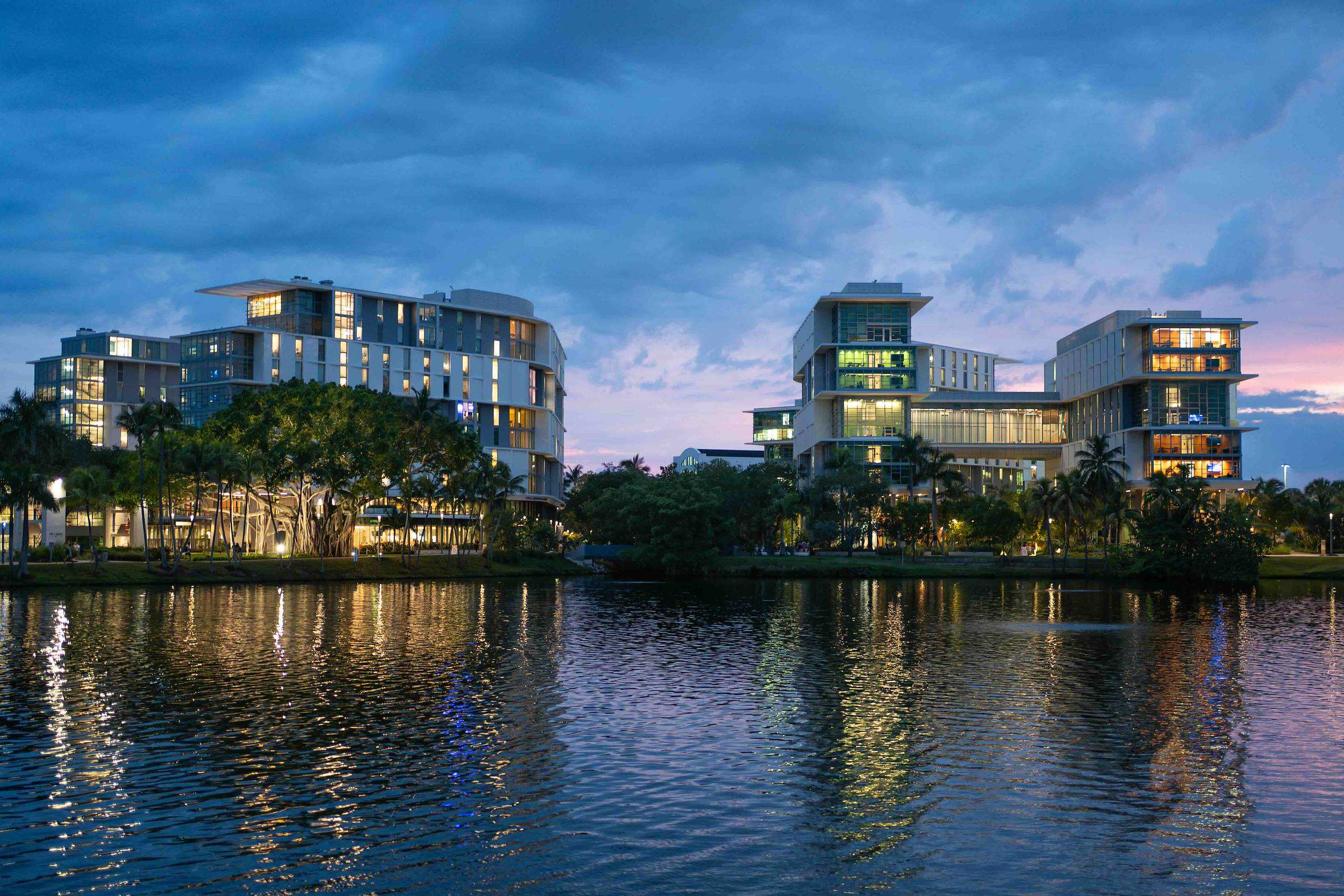
Every new dorm on UM’s campus comes with a visible upgrade. Lakeside Village has apartment-style living and expansive communal spaces, and Centennial Village has private bathrooms, study spaces and modern resident lounges.
The less obvious change is what students are paying for them. As UM replaces older residential colleges with newer, more expensive housing, the cost of living on campus is rising with the quality of the dorms.
Even as dorm quality improves and traditional housing is replaced, the University should keep housing as affordable as possible while still providing space for students.
With Centennial Village’s completion in August 2026 and Mahoney-Pearson’s demolition this summer, traditional residential colleges are giving way to newer dorms with features like expanded study lounges, meditation rooms and a sky bridge. UM’s dorms have come a long way, but a look back at housing rates shows their price tags have, too.
For the 2023-24 academic year, a double in Stanford Residential College cost $1,040 per month for the nine months in a school year, or $4,680 per semester.
In August 2026, following Stanford’s demolition and replacement with Centennial Village, a Centennial double cost about $1,687 per month for nine months, or $7,590 per semester.
That is about $647 more per month, or a 62% increase, from the cost of a Stanford double.
This increase far outpaces rent growth across the surrounding Miami area. From August 2023 to August 2026, the Bureau of Labor Statistics’ rent index for the Miami-Fort Lauderdale-West Palm Beach area increased by about 11%.
Manish Chauhan, a parent of a UM sophomore, expressed concern about the rising housing costs.
“The fees are high, and with the housing costs increasing, not everyone can afford them,” Chauhan said.
With students already paying at least $1,802 per month for a spot in a Lakeside double room — not including a meal plan or parking pass — moving off campus does not necessarily offer financial relief. Nearby apartment complexes can cost substantially more, making high housing costs a reality both on and off campus.
Nearly two-thirds of UM undergraduates live off campus or commute, but living off campus doesn’t shield students from rising housing costs. The surrounding Coral Gables rental market is often even more expensive, leaving students with few affordable alternatives. Since 2021, rental prices have grown by more than 40%, putting financial pressure on locals and commuters.
Caroline Garfield, who lives at Vox Miami, pays $2,225 per month in rent, plus $150 for parking and a $25 community fee. She said that while her apartment is overpriced, she prefers what she gets off campus compared to UM housing.
“Vox [has] more space and fewer restrictions, like RAs,” Garfield said. “Even if I didn’t have my car, the metro is right there, and metro passes are cheaper than a full tank of gas.”
Students are left choosing between increasingly expensive options. To exacerbate the issue, UM directly controls the cost and availability of on-campus housing.
Newer dorms undoubtedly offer students amenities and an experience that older ones could not. But modernization should not make affordability secondary. As UM continues reshaping its campus, especially with more housing projects ahead, it should treat keeping costs within reach as part of that progress rather than a tradeoff.
Better dorms should not have to mean fewer affordable places to live. The University has to balance the benefits of building new Residential Colleges with amenities against the potential downsides of rising costs and reducing affordable housing.