


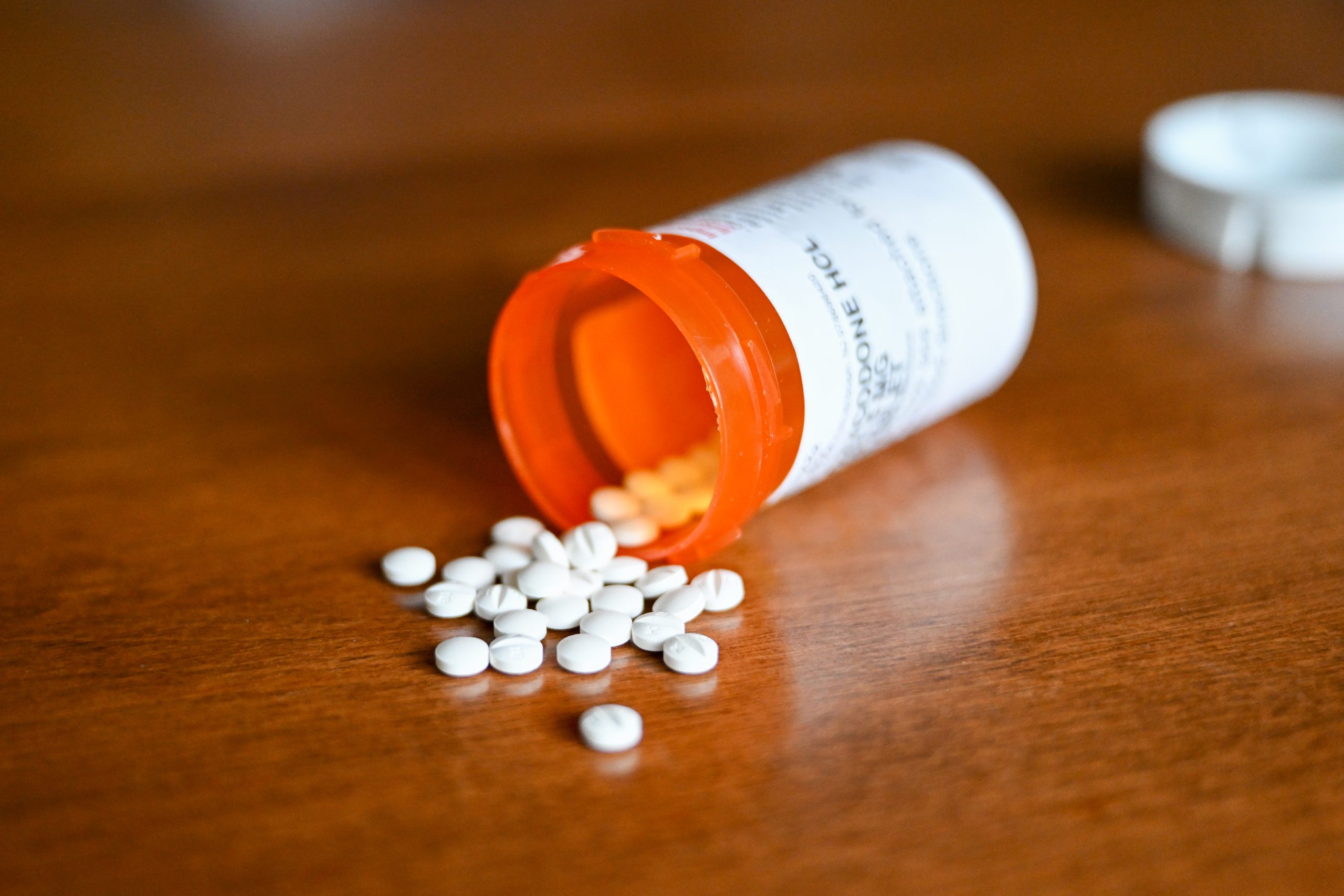
Synthetic drugs like fentanyl and cychlorphine — increasingly found in pills and other laced drugs — have spread across college campuses, causing serious hospitalizations and deaths.
Despite the decreasing national trend, college campuses have reported increasing student overdoses linked to these synthetic opioids.
Sara Ruiz-Meza, a sophomore medical anthropology student, said the dangers of opioid use have become increasingly apparent through her work at IDEA Exchange, a Miami-based syringe exchange and harm-reduction clinic.
Ruiz-Meza believes students shouldn’t have to seek out information to be educated on opioids.
“Knowing what I know now, it shouldn’t have taken me working firsthand in public health to be aware of these dangers,” she said.
What is fentanyl?
Fentanyl is the most widely known, fully synthetic drug and is 50 times more potent than heroin, making it extremely dangerous when mixed with other drugs.
College students who overdose on fentanyl often do not know they are taking an opioid. Illicit drug operations either mix fentanyl with other drugs or explicitly form it to look like other commonly sought-after medications such as Adderall.
Counterfeit adderall as well as Xanax and Percocet are frequently laced with lethal doses of fentanyl.
Similarly, drugs like cychlorphine, a newly emerged synthetic opioid, and kratom, a tropical herbal plant, can cause overdoses.
Cychlorphine, which has not been medically approved, is being found in counterfeit prescription pills and kratom can cause overdoses when illegally altered into high concentration synthetic tablets.
The University of Mississippi, Louisiana State University and the University of Alabama have all reported student overdoses linked to suspected or confirmed drug use, highlighting that the issue extends beyond a single campus.
Ruiz-Meza said, “My concerns lie in the fact that nobody understands the potency of these drugs, especially when they are laced with adulterants.”
Drugs in college
According to a 2023 survey conducted by the Addiction Center, more than 22% of surveyed college students reported using an illegal drug within 30 days of being surveyed and about 12% of all college students have illegally used prescription medication.
Beyond the dangers of the drugs themselves, Ruiz-Meza believes the stigma surrounding drugs on college campuses makes students think it is not really an issue.
“Even if people want to ignore it, the drug problem is bad at UM,” she said. “The longer we try to act like drugs aren’t a problem among student populations, the less and less education students will receive on how to handle overdoses and drug risks.”
The number of opioid overdoses involving UM students is not publicly available, but UM’s 2026 Annual Security and Fire Safety Report listed 60 drug-abuse disciplinary referrals in 2023, 43 in 2024 and 56 in 2025.
Resources at UM
The University of Miami offers several resources aimed at preventing overdoses and educating students about substance use.
Student organizations like the Substance Awareness Club, founded by UM graduate Luke Bell, and URecovery, are communities where recovering students can socialize and get help.
“Students concerned about themselves or others are encouraged to contact Student Health Service, the Counseling Center or the Sandler Center for guidance and assistance,” said Jordan Coello, Dean of Students.
Despite these existing resources, Ruiz-Meza believes the University should require students to participate in overdose prevention education and increase awareness of where Narcan is located.
For students like Ruiz-Meza, increasing awareness of these resources is an important part of preparing the campuses to respond to an overdose while learning more about the dangers opioids pose to an uneducated community.