


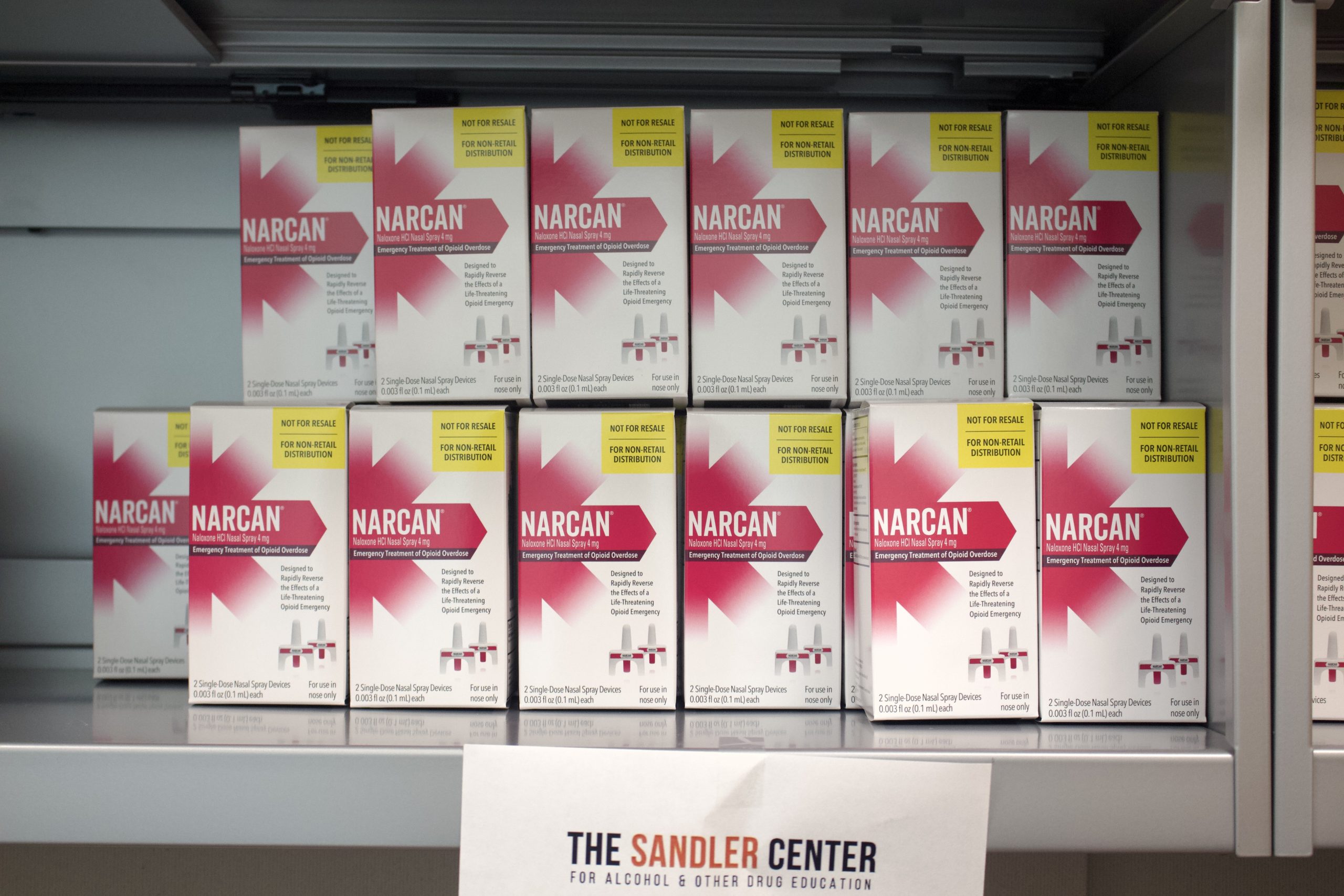
As students head to III Points and Fantasy Fest in the coming weeks, knowing how to respond to an overdose and administer Narcan could mean the difference between life and death.
A 2026 study of hospital admissions during Las Vegas’ Electric Daisy Carnival found 40 drug or alcohol overdose cases linked to the festival between 2019 and 2024, highlighting the importance of overdose preparedness at large events.
What is Narcan
Narcan, a brand name for naloxone, is a medication that can reverse an opioid overdose by binding to opioid receptors in the brain and displacing the opioids. This rapidly blocks opioid’s effects on the central nervous system, particularly respiratory depression.
According to the Centers for Disease Control and Prevention, naloxone works against opioids like fentanyl, heroin and prescription painkillers such as oxycodone.
Available over the counter as a nasal spray, it is easy to administer and allows bystanders to respond to a suspected overdose before an ambulance and medical personnel arrive.
Recognizing the signs of an overdose can be critical. Signs include unconsciousness, inability to wake up, slow or shallow breathing, choking or gurgling noises or having unusually small pupils. Discoloration in the fingernails or lips may also occur.
How to use Narcan
Narcan nasal spray does not require medical training to administer. However, knowing the proper steps can make a difference during an emergency.
First, check whether the person responds when spoken to or gently shaken. If they are unresponsive or have visible symptoms of an overdose, administer the Narcan.
The CDC recommends administering naloxone even when there is uncertainty about whether someone is experiencing an opioid overdose, as the medication is considered safe to use and has no negative effect on someone who has no opioids in their system.
To use the nasal spray, remove it from the packaging and peel back the circle tab to open it. Do not test or prime the device beforehand, as each device is designed for single use. Lay the person flat on their back, tilt their head back slightly and support the back of their neck.
Hold the device with your thumb on the bottom of the plunger and your first and middle fingers on either side of the nozzle. Gently insert the tip of the nozzle into one nostril until your fingers touch the bottom of the person’s nose. Then, press the plunger firmly until it clicks to release the medication and remove the nozzle from the nostril.
Call 911 immediately after the first dose is administered. Place the person on their side in the recovery position to help prevent choking and monitor their breathing while waiting for emergency assistance.
If the person does not respond or begin breathing normally within two to three minutes, administer another dose using a new Narcan spray. If at any point the person stops breathing, begin CPR.
Continue to repeat this pattern of administering doses of Narcan until the person responds or emergency personnel arrive. There is no maximum limit of doses allowed to be administered. Some strong opioids such as fentanyl may require multiple doses, to see an effect.
After receiving Narcan, some people may experience sudden opioid withdrawal symptoms, including anxiety, irritability, and agitation. In some cases, people may become aggressive as the medication rapidly reverses the effects of opioids, making it important for responders to remain calm and prioritize their personal safety.
These steps follow the Food and Drug Administration’s instructions for Narcan nasal spray and CDC guidelines.
Resources UM provides
Free Narcan is available at the University of Miami residential colleges, with Florida’s law requiring all state universities to maintain naloxone in residential halls for emergency use by trained campus law enforcement officers.
The University of Miami offers overdose-prevention resources through campus organizations including the Sandler Center for Alcohol and Other Drug Education, Student Health Services and URecovery.
Last semester, these organizations partnered to host Narcan training sessions open to the student body and faculty. Participants received free Narcan after completing the training. Students can check the university’s event listings for future sessions.
UM’s Student Health Services, the Sandler Center, URecovery and No More Dead Homies hosted an Overdose Awareness Day vigil on Sept. 1 at the Lakeside Pavilion. This event honored people who died from overdoses and highlighted prevention resources.
Students can visit the Sandler Center for information about alcohol and other drug information and support or contact the university Student Health Service at 305-284-9100 for health-related questions.
Students seeking Narcan outside campus programs can also contact the Florida Department of Health in Miami-Dade County at 305-324-2400 for information about local distribution options.
Although Narcan can reverse an opioid overdose, its effects are temporary. Emergency medical care remains essential, even if the person regains consciousness.
Festivals like Fantasy Fest and III Points should be about making memories with the people you love. Knowing how to recognize an overdose and respond in an emergency makes the difference between a night worth remembering and one that changes everything.