Typically, the average college student is a fan of a few professional sports teams and, of course, their own school. So why are some students living and dying on a Wednesday night matchup between Bowling Green and Old Dominion University?
It’s because they have the last $100 in their checking account placed on ODU to cover the spread.
The rise of online sports betting and prediction markets has young sports fans in a chokehold, drastically changing how they view watching sports and that difference is apparent at UM.
A 2023 NCAA survey found that 67% of students living on college campuses bet on sports. The industry’s advertising has also been difficult to avoid: 63% of students living on campus recalled seeing sports-betting ads, and more than half said those advertisements made them more likely to wager.
Cole Baren, a sophomore studying sports administration, has seen how gambling changes the viewing experience.
“I never gamble, but I’ve seen all my friends and classmates do it,” Baren said. “It definitely makes people more analytical, but I feel like it makes them pay attention to a bunch of stuff that doesn’t matter … I see them all getting stressed out a ton.”
The sports-betting landscape changed dramatically in 2018, when the Supreme Court struck down the federal prohibition that had largely kept legal sports gambling confined to Nevada.
In the years that followed, states rushed to legalize it, sportsbooks moved onto smartphones and betting became increasingly intertwined with how fans consume sports. College campuses quickly became one of the centers of that growth.
“The early warning sign isn’t always a huge financial loss,” Dr. Cynthia Grant, vice president of clinical at Birches Health, said. Birches Health is a telehealth provider that specializes in treatment for gambling addiction.
“Sometimes it’s that gambling is taking up more and more of someone’s attention — they might be checking lines during class, losing sleep over a game, feeling irritable after a loss, betting on a game they don’t even care about or realizing they can’t simply watch sports anymore without needing money on the outcome,” she said.
But, sports gambling does have its positives.
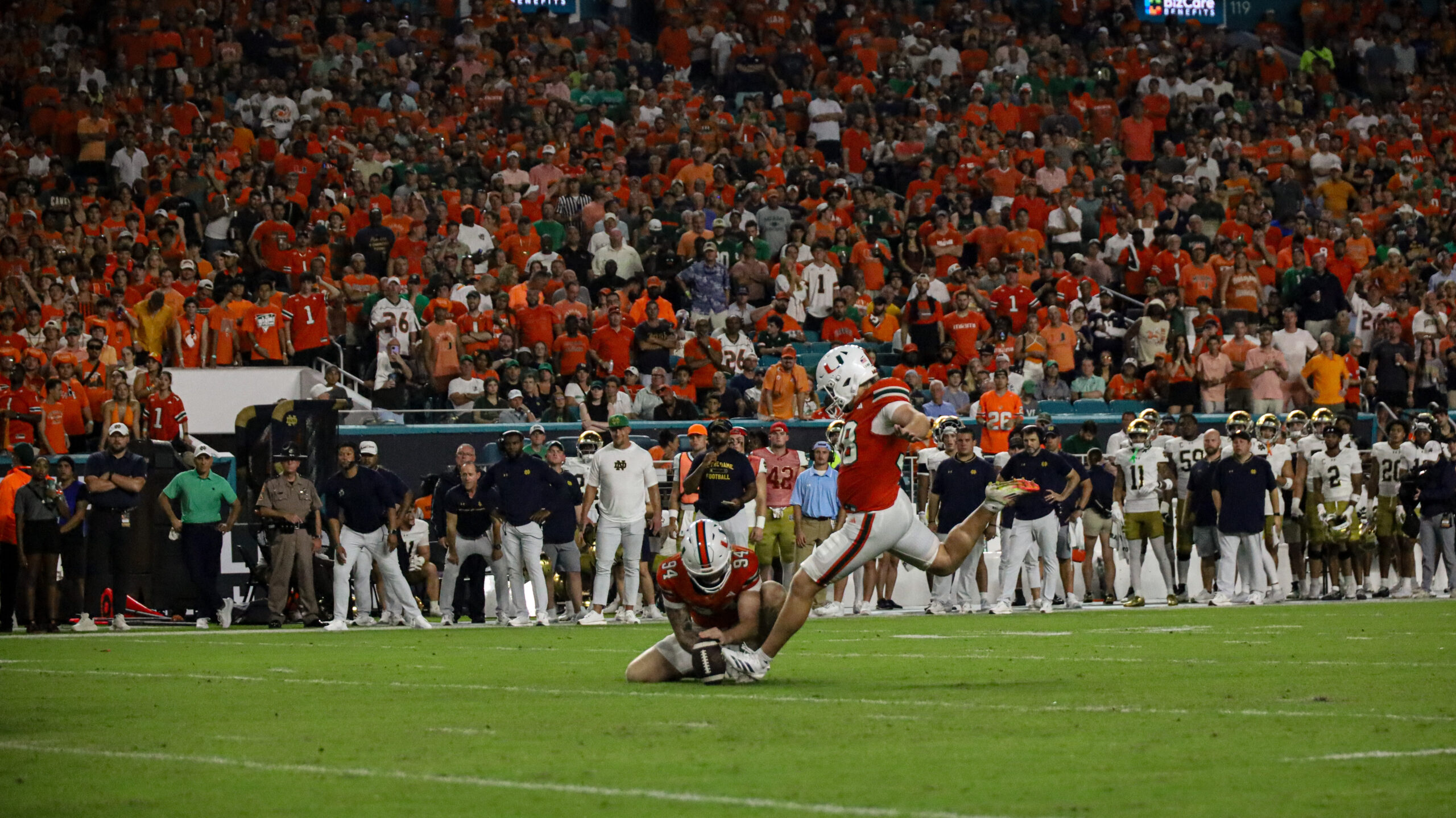
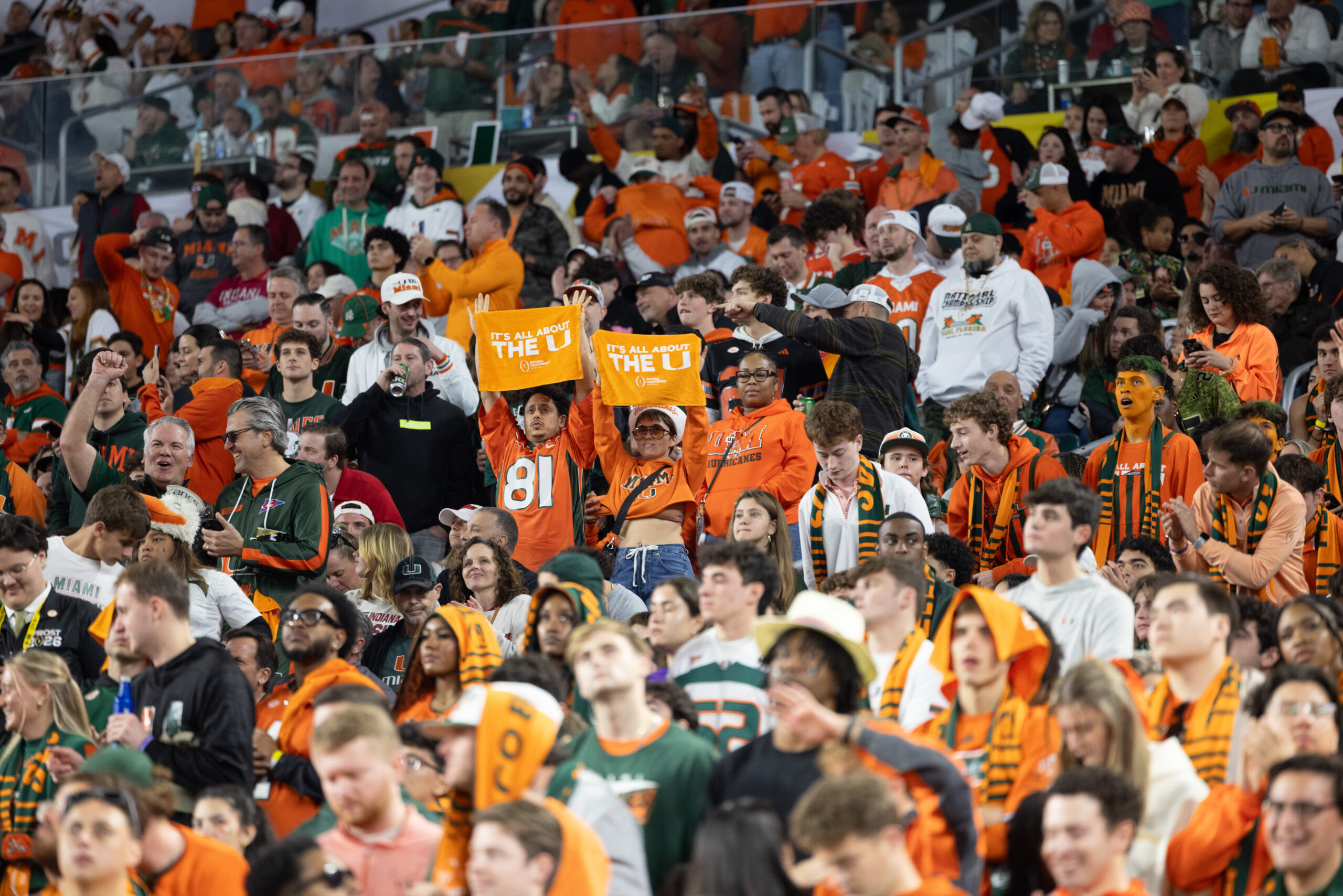
Rather than scrolling through otherwise boring matchups, a little money on the game gives someone a stake, making watching more interesting. It can even introduce fun nuances and statistics fans otherwise wouldn’t have thought about, drawing them more into the game and the world of athletics.
Adam Wilson, a sophomore studying in accounting, shared his view on betting.
“It makes the games a lot more exciting, honestly,” Wilson said. “Plus you can connect with your friends when betting, which makes it even more fun.”
But the same habit that can make a game more exciting can also become difficult to control.However, the same risk that makes gambling so intriguing is what makes it so dangerous.
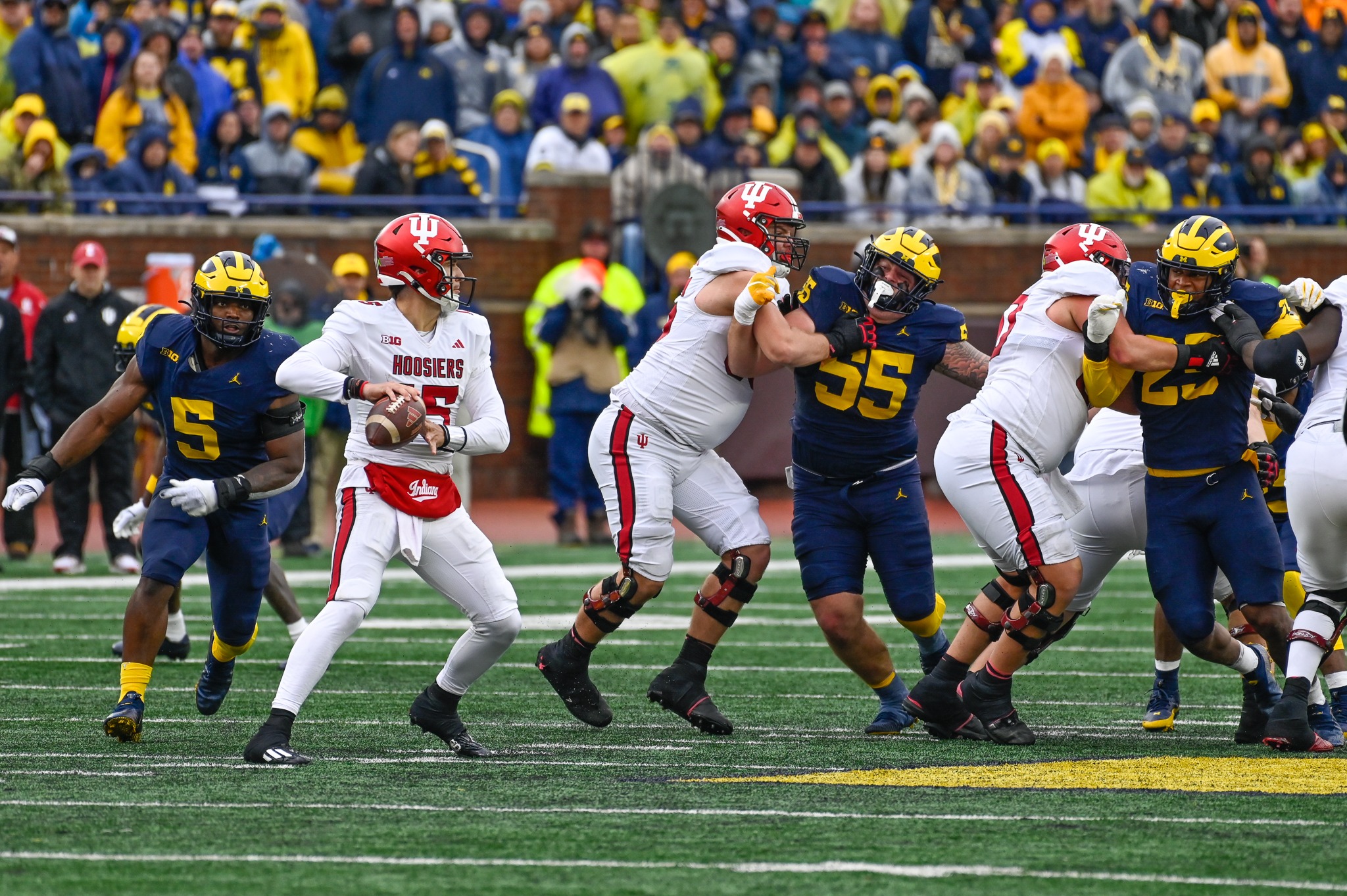
Brendan Sorsby, a former Indiana and Cincinnati quarterback who later transferred to Texas Tech, admitted to placing more than $90,000 in impermissible sports wagers during his college career. His betting included dozens of wagers involving Indiana football while he was a member of the program, later describing how his gambling spiraled into a daily compulsion.
“Someone may know every player, watch every game and do hours of research,” said Dr. Grant. “That knowledge is real, but it can also lead a person to overestimate how much control they have over an uncertain outcome.”
Sorsby’s gambling problem made him ineligible to play college football and has put his NFL career in jeopardy, as the quarterback will sit out for the 2026 season while waiting to apply for the 2027 NFL Draft.
Whether it’s on campus or at a local sports bar, pay attention to how many people are constantly checking their phones as their parlay falls further out of reach or their fantasy matchup becomes a blowout.
Because, for better or worse, the way college students gamble on sports is fundamentally changing how they watch.