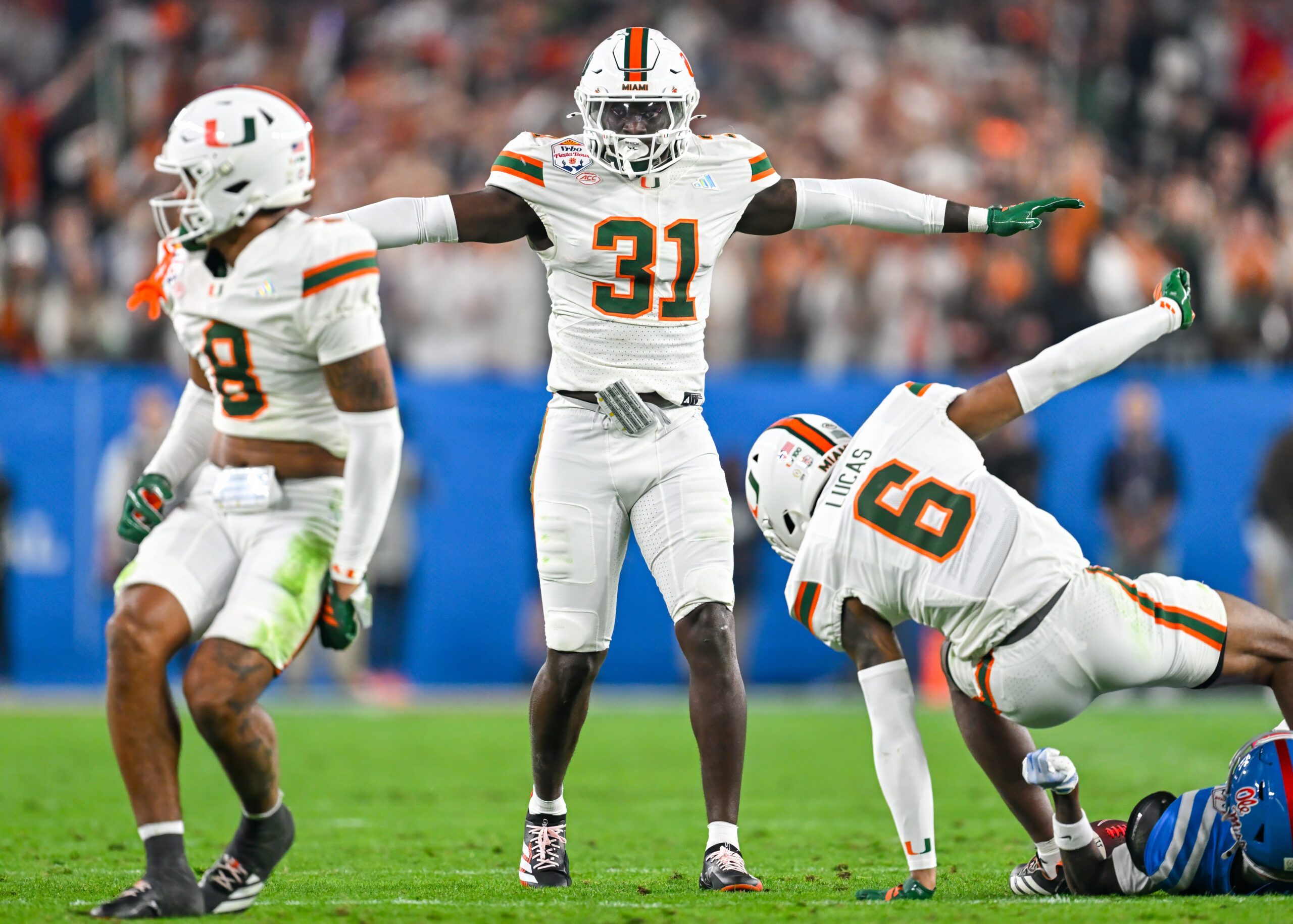
The NCAA’s interim NIL policy took effect on July 1, 2021, starting the process of turning college football from an amateur sport into something resembling a professional league.
Fans never thought they would see the day that football players tried to leave the NFL for a college roster, but, strangely enough, that’s what’s happening.
Hundreds of former collegiate athletes flocked to the court system in search of temporary restraining orders that grant them an extra year of eligibility — including former Hurricanes like Wesley Bissainthe and Alex Bauman.
Arguably, the face of the recent chaos has been former Ole Miss tight end Dae’Quan Wright.
Wright dressed for a preseason game with the Browns on Aug. 22, was cut on Aug. 23, and then committed to and enrolled at LSU on Aug. 24.
In doing so, he became the first player to ever return to college after being on an NFL roster.
Now, Wright can still play football at a high level and could make more through NIL than he would as an NFL rookie.
So, how did the sport get to the point where going back to college can be more financially attractive than playing professional football?
After years of receiving indirect endorsements, on July 1, 2025, following the House v. NCAA antitrust settlement, Division I schools were allowed to provide direct financial benefits to athletes through a new revenue-sharing system, turning student-athlete life into more of a full-time job.
Now, the best college players are getting paid well north of $5 million, while the NFL rookie minimum is $885,000.
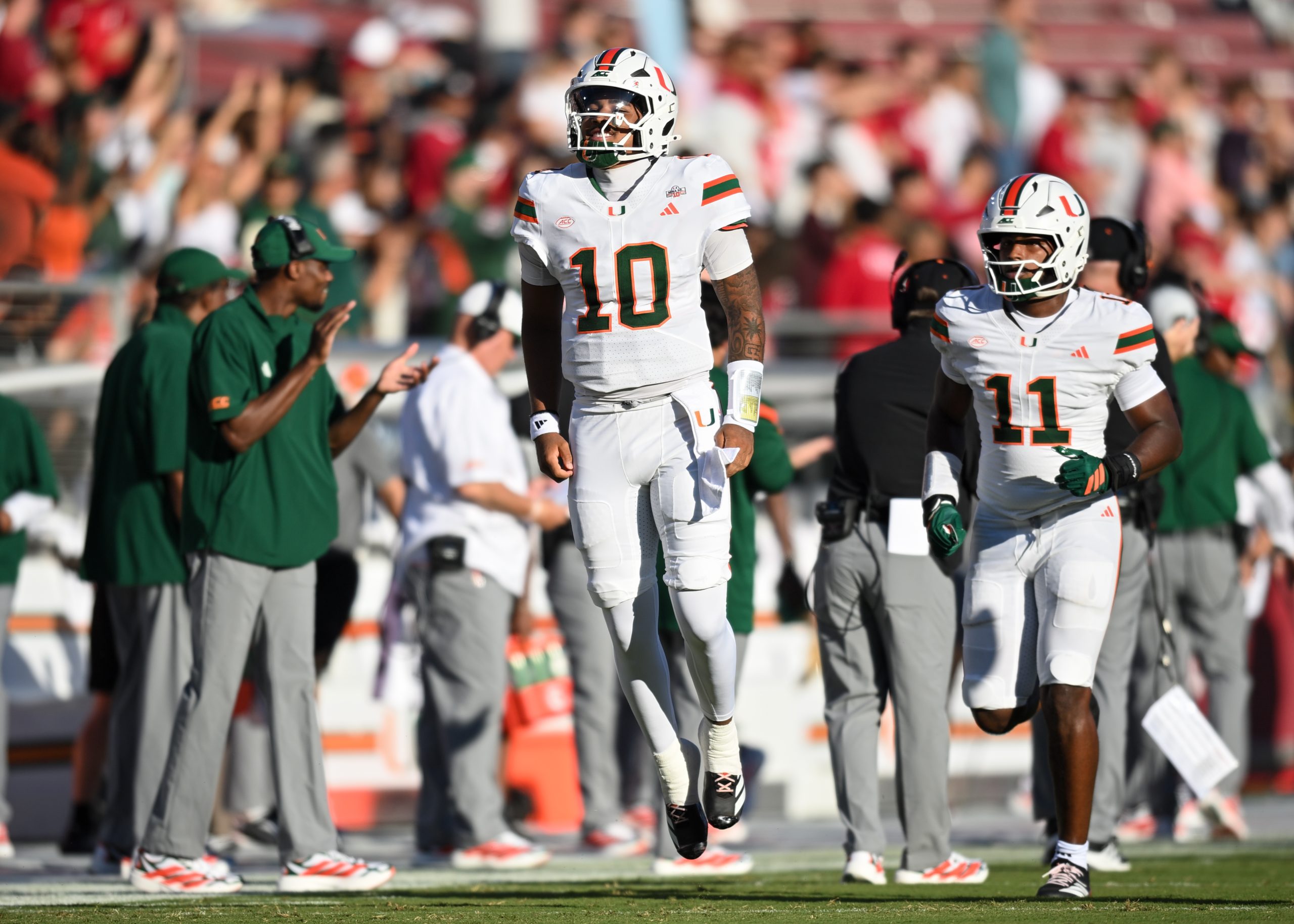
The transfer portal has become a free agency.
College players rotate from school to school every year based on money, coaching and team fit, factors that used to be the main influence for only pro players. The Hurricanes have arguably embraced this situation better than anyone else, reaching into the transfer portal to pluck their last three quarterbacks, with an estimated roster cost north of $40 million.
Not only can players quickly switch schools, but they can now move from professional football back to college.
College athletes deserve to be paid for their play, but so far the NCAA has handled the situation poorly.
The NCAA’s new five-year eligibility plan has already led to lawsuits, and courts have temporarily allowed certain players from the 2022 recruiting class to regain eligibility.
In opposition to the courts, the SEC and Big Ten have sought to prevent players who have signed professional contracts or declared for the professional draft from returning to college. Judicial courts have pushed back against those restrictions.
If college football conferences can’t control who plays, then who’s in charge?
Thanks to NIL and the changing economics of college football, fans have also seen the death of the Power Five, with more conference realignment seemingly inevitable. The talent pool is becoming increasingly lopsided, leaving many fans worried about the future of a sport once built on school pride and passion.
However, NIL isn’t all bad; it has also allowed these players to capitalize on their value and take more control over their careers.
NIL hasn’t ruined college football; it has simply revealed that college football is operating like a professional business without professional rules.
A few years ago, the path was simple: play college football, get drafted and become a professional. Now, we’ve seen players bounce around from school to school, in some cases for nine years, go from college to the NFL, only to then potentially decide that college is the better financial option and return to it.
The old definition of college football no longer exists. If the NCAA doesn’t get a handle on the sport it governs, football fans could see it spiral further out of control.