


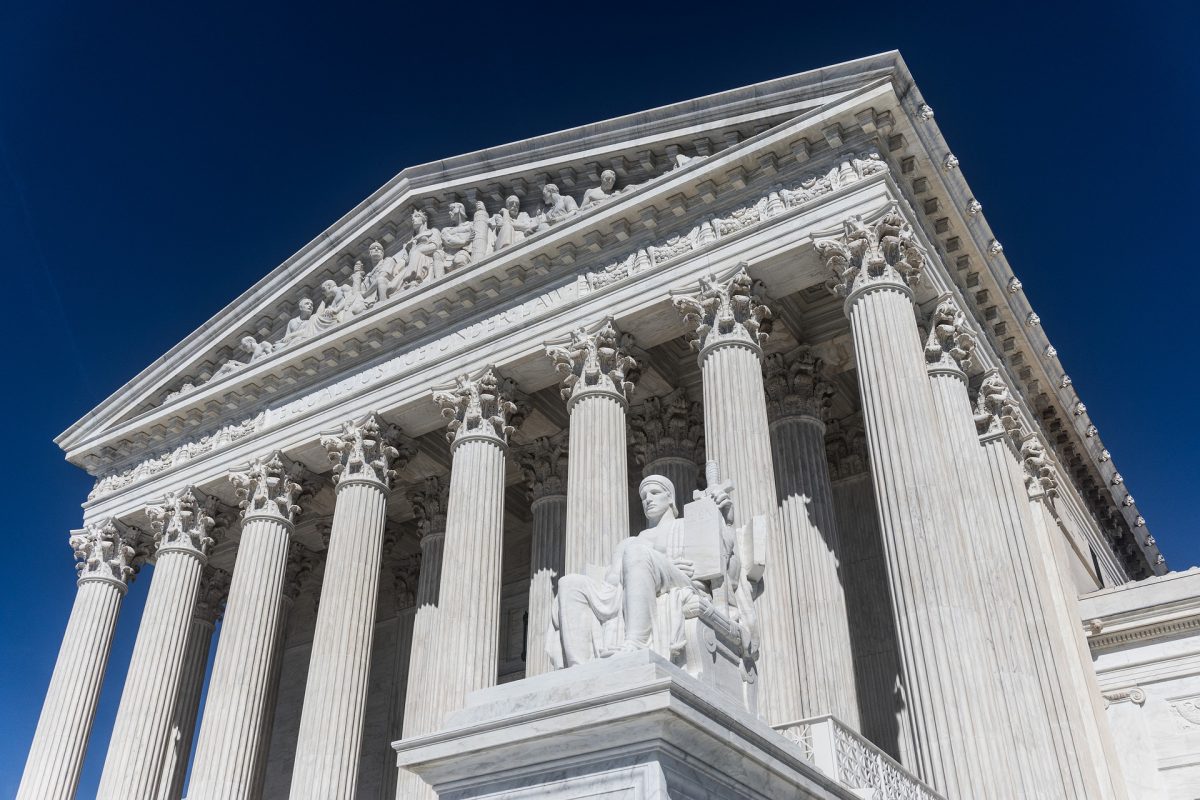
In the week of America’s 250th anniversary, the Supreme Court dealt a necessary blow to President Donald Trump’s agenda with its decision on birthright citizenship.
In a 6-3 decision, the court upheld the rights outlined in the 14th Amendment, rejecting the executive order Trump signed on the first day of his second term. That order directed federal agencies not to recognize the citizenship of children born to illegal migrants.
Writing for the majority, Chief Justice John Roberts wrote: “A child born on American soil and subject to American law was made an American citizen.”
This sentence alone captures the essence of what the ruling means. Birthright citizenship is not a loophole, but rather one of the clearest promises in the Constitution.
That promise has deep roots. Roberts added that birthright citizenship can be traced as far back as English common law, where citizenship was based on “right of the soil.” That idea carried across the Atlantic and has become a fundamental part of understanding American citizenship.
The history of birthright citizenship also carries the heavy weight of America’s biggest sin: slavery. In the Dred Scott decision, Black Americans were denied citizenship despite being born in the United States. It was only 11 years later that the injustice of that decision would be undone by the 14th Amendment to the Constitution.
The 14th Amendment was written so that “all persons born or naturalized in the United States” would be granted citizenship. It also added that no state shall “deprive any person of life, liberty, or property, without due process of law; nor deny to any person within its jurisdiction the equal protection of the laws.”
That’s why this ruling matters. While under two very different circumstances, the 14th Amendment was not written for convenience. It was written to make citizenship stronger than politics, prejudice and most importantly, a president’s agenda.
As an avid Trump supporter and President of College Republicans, I’ll concede on this issue with my friends on the other side of the aisle. The president indeed overstepped his authority by removing the rights of several million Americans, and the court was right to reject it.
While critics like Justice Clarence Thomas, Vice President JD Vance and Speaker Mike Johnson argue that the ruling “devalues” American citizenship, they forget that the opposite is true. Rewriting the law because of political mood or a parent’s immigration status would devalue citizenship far more than a court ruling. A court ruling that upholds the constitution.
A nation that celebrates freedom should not spend that same week searching for ways to exclude children born under its laws. The most patriotic decision the court could’ve made this week was as simple as honoring an old promise.
The court’s ruling reminds us that the country lives up to its ideals not when it narrows citizenship, but when it keeps faith with the people born under its flag.