


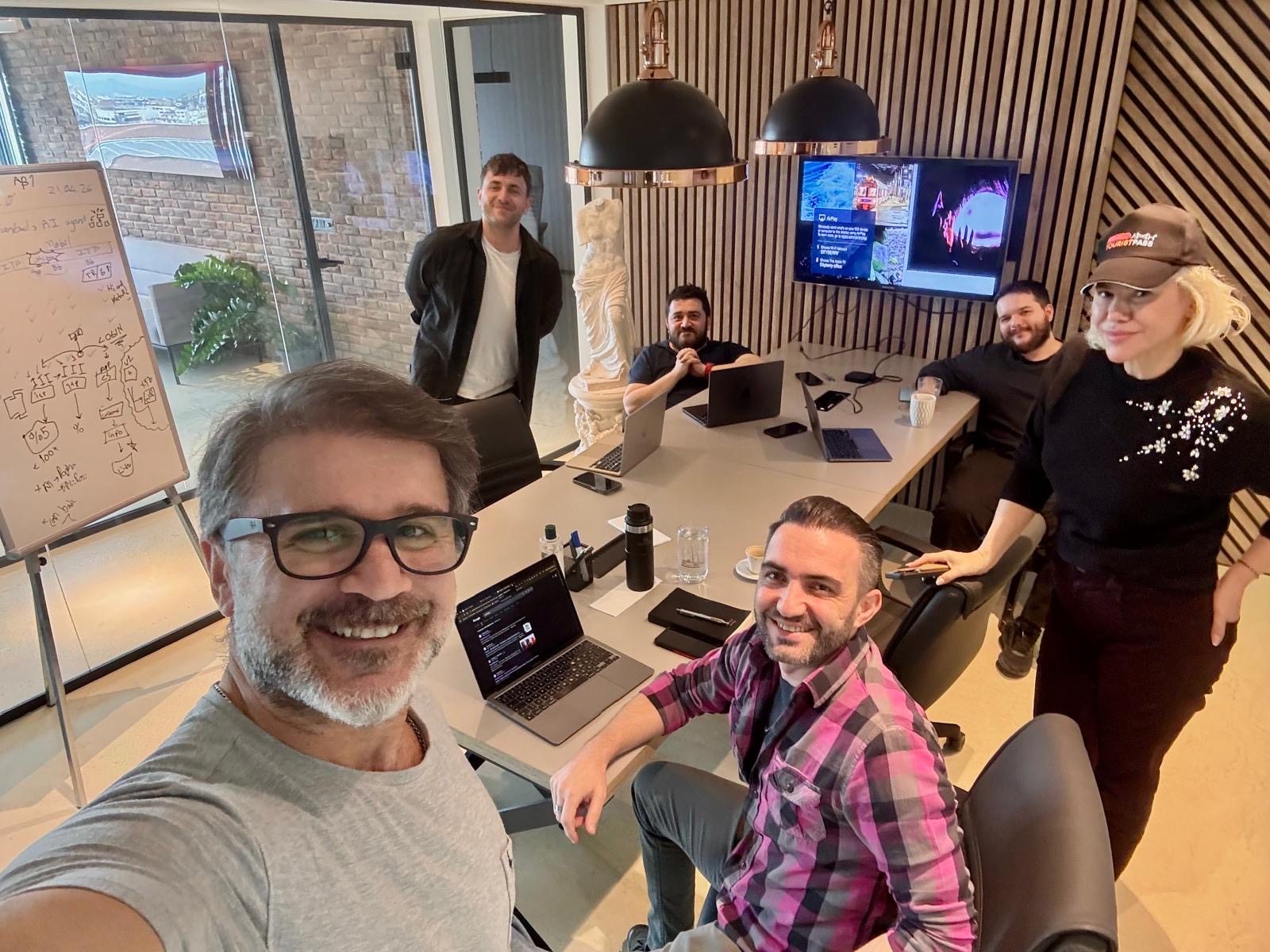
While studying at the University of Miami in the 1990s, Koksal Abdurrahmanoglu began building Istanbul.com, which would eventually become one of the country’s largest tourism platforms.
The idea began with homesickness.
“I missed the city so much and everything about it,” Abdurrahmanoglu said.
What started as an informational website during the early years of the internet later evolved into a platform serving travelers from more than 175 countries and reaching millions of visitors each month.
At the time, Abdurrahmanoglu was already working with tourism technology in Miami. While pursuing his MBA, he worked part-time for Touch Guide, a company developing touchscreen tourism kiosks for hotels and visitor centers.
The kiosks allowed tourists to search for restaurants, hotels and local events while printing maps and coupons directly from the screen.
The experience introduced him to the growing field of tourism technology. But while helping promote Miami to visitors, he found himself thinking about the city he had left behind.
“I should be promoting Istanbul to the world,” he said.
In 1995, while still living in the United States, Abdurrahmanoglu launched Istanbul.com.
At first, the website was not built as a business. It focused on cultural content and helping people experience Istanbul.
Over time, Istanbul.com evolved into a platform where travelers could book tours and local experiences throughout the city.
But building an online travel business in the 1990s came with challenges.
Many people were hesitant to enter credit card information online, making the idea of digital tourism difficult to imagine at the time.
“It was something new,” Abdurrahmanoglu said. “People had a lot of privacy fears.”
Despite that skepticism, he believed the internet would eventually transform the way people traveled and that his platform had the potential to grow with it.
“I knew it was going to be big,” Abdurrahmanoglu said. “But it still needs to be bigger.”
Keeping the platform relevant meant adapting to decades of technological change, he said.
Connecting museums, attractions and tour operators onto a single website required significant technical development. Eventually, Istanbul.com created its own booking infrastructure to manage reservations and experiences across the city.
Abdurrahmanoglu said his background in computer science at UM became an important foundation for building those systems.
But some of his most valuable lessons came outside the classroom.
As president of the university’s Turkish Student Association, he learned how to organize events, build relationships and lead a community.
“I was able to do more than just education,” he said. “I learned how to deal with people, with clubs, with students, and I had mentors.”
Those experiences would later help him navigate the challenges of growing an international business.
Today, Istanbul.com uses artificial intelligence tools to help travelers plan trips and find information about the city. The technology shows how online tourism has changed since the website’s launch nearly three decades ago.
For Abdurrahmanoglu, however, success is not measured only by company growth.
He sees the platform as a contributor to Istanbul’s broader tourism economy, helping connect travelers with local businesses throughout the city.
“When we bring a lot of traffic, all these other businesses benefit,” he said. “It’s like rain. You don’t say you’re not going to get wet. Everybody gets wet.”
Looking back, Abdurrahmanoglu encourages students to remain persistent even when progress feels slow.
“Being discouraged is easy, and being encouraged is difficult,” he said. “You have to fight and find ways to keep that spark.”
That philosophy continues to guide both his life and his work.
“Do whatever you do,” he said. “But make sure you get joy out of it. That’s why my business isn’t a business. It’s a hobby.”