


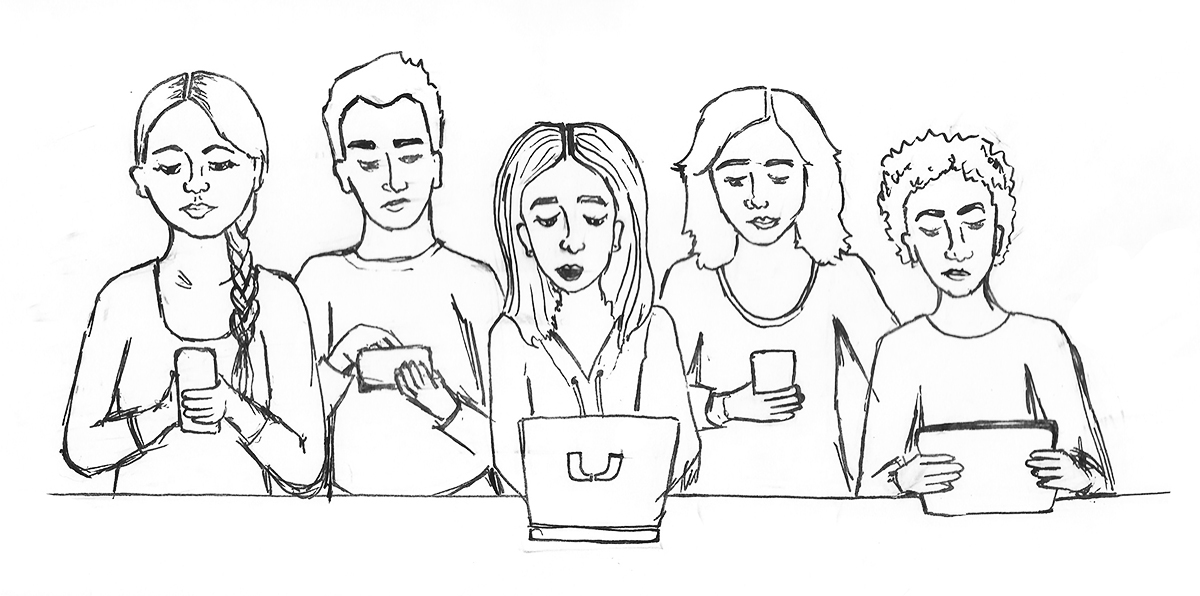
A person’s Instagram gives more than just a sneak peek into their life. It showcases their habits, hobbies, and, as bad as it is to say, even their tax bracket. Your grid isn’t random; it is a curated reflection of who you are and how you want to be perceived.
As early as the moment you’re accepted to the University of Miami, Instagram’s role begins. Your incoming student status is announced through the “UMiami 2030” pages, and the image starts immediately.
At a school like UM, this curated image isn’t harmless — it dictates who gets social opportunities and influence.
A post that you have been to Ultra projects that you love to go out, and have no problem spending money doing so. Having your SolidCore or Strava as one of your highlights tells the world that you love to work out.
Both of these are simply assumptions based on posts, but it’s hard to invalidate these judgments when it is all a person actually has to judge you on.
When deciding who to invite to Factory Town next Wednesday, the person who posted at Ultra is likely the one chosen. When choosing who to work out with, the person with a SolidCore post is the one you text. When you post, people respond, and at UM, those responses are a social currency.
Going out in Miami is vast and wide; we have the typical college option of Greek life, as well as the endless possibilities of city life. Every part of it, however, has a touch of Instagram involvement.
“When I post with my friends in club dresses, usually promoters will swipe up with an invite somewhere, or at least like the story,” UM student Ami Bouzaglo said.
Instagram gets your face and existence out there to promoters, gaining more invites to more exclusive events. As for Greek life, sororities ask for your username during sign-ups, and having a “cool girl” feed is presumed to boost your chances at the house you want.
Whether you want people to think you came to Miami for the education and weather, or if you want them to think you came for the raves and yachts, Instagram is the place to let everyone know.
People are adaptive to the habits they see you post on social media, and how you want to be perceived is what you post on your Instagram.
Before college, it was a reflection of who you were at home. Now in college, it shows everyone if you went on a yacht, to a nice dinner, to the beach, or even if you watched the sunset on campus, to let them know what you are interested in doing.
In a culture built on perception, your Instagram, whether it is representative of you or not, can change your whole college experience.