


Climate change is one of the most urgent issues of the century, but you wouldn’t know it from watching most movies. Outside of a handful of sci‑fi blockbusters and end‑of‑the‑world thrillers, the crisis rarely appears on screen at all — despite evidence that audiences watch more when it does.
Research shows climate change is largely confined to speculative genres like “Interstellar,” “The Martian” and “WALL‑E,” while mainstream dramas, comedies and action films avoid the topic almost entirely.
When films or documentaries do address climate issues directly, viewers tend to engage more deeply, especially when well‑known figures help carry the message. Hollywood’s limited approach contrasts sharply with audience interest, leaving documentaries — often fronted by celebrities — to fill the gap.
That gap becomes clearer when looking at how rarely climate change appears in popular films.
A 2025 analysis by Rice University found that only 12.8% of top‑grossing films from 2013 to 2022 referenced climate change. Most of those references came from sci‑fi or disaster titles, which helps explain why the speculative films dominate the conversation.
A broader review from USC’s Norman Lear Center reached a similar conclusion, reporting that climate issues appeared in just 2.8% of more than 37,000 film and TV scripts. Everyday genres — dramas, comedies, romances — almost never acknowledge the crisis.
That scarcity on screen stands in contrast to how audiences think about the issue.
While climate rarely appears in scripted entertainment, audiences are far more receptive to climate themes in films than studios may assume. The Norman Lear Center found that viewers want to see characters who acknowledge climate change, but only a small fraction feel that film and TV reflect their level of concern. The study also notes that people frequently learn about social issues through entertainment, but climate change almost never makes that list.
For many students, that absence is noticeable, and the rare films that do address climate change tend to stick with them.
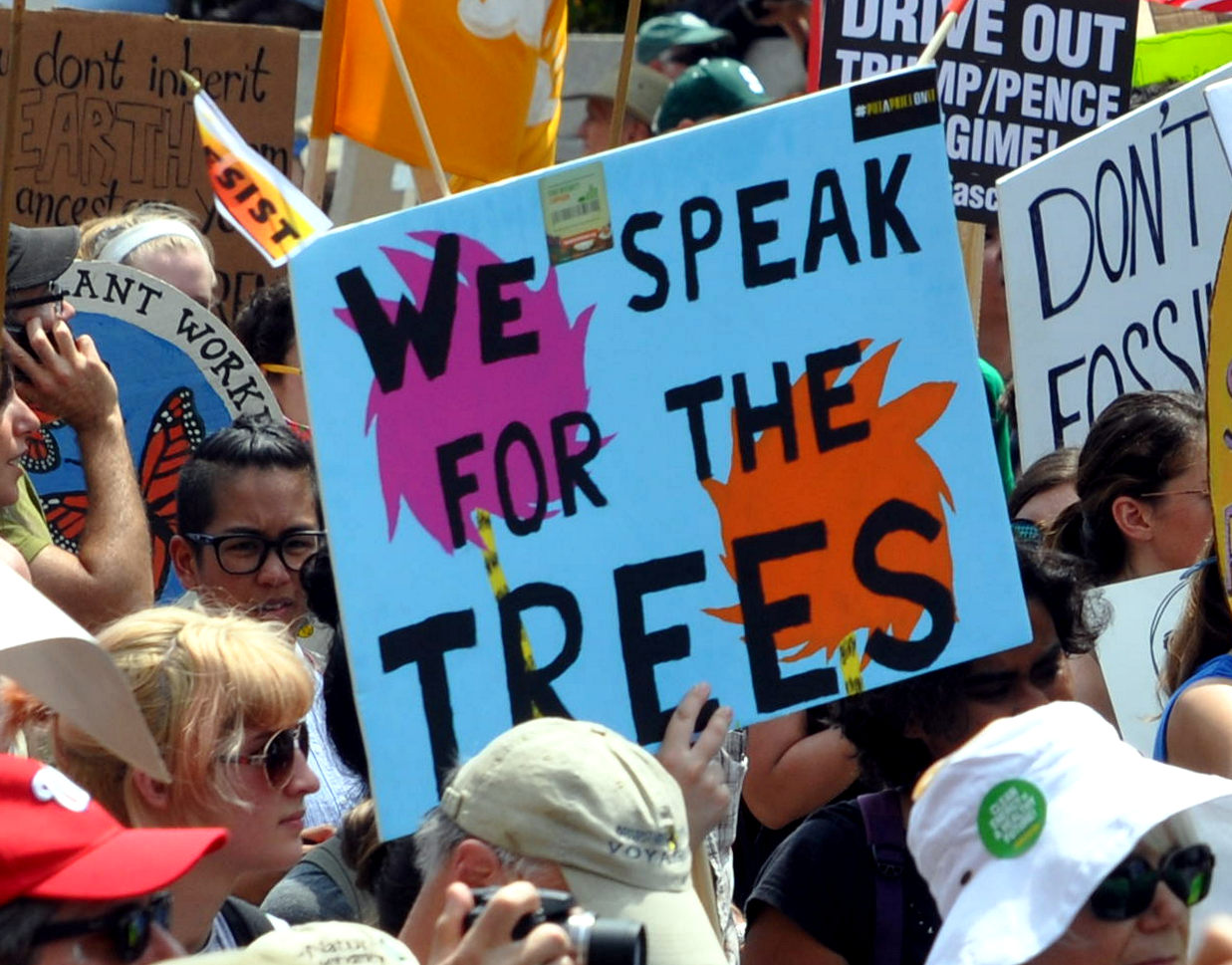
“Every time I watch ‘The Lorax’ I feel empowered to minimize my carbon footprint,” said UM senior psychology major Kate Sinha.
Other findings suggest that when climate stories reach viewers, they can have a real impact. Films and documentaries can significantly increase awareness and understanding of climate issues when they address them directly. The interest is there, but the content simply isn’t.
Some students say they’ve felt that impact themselves.
Senior ecosystem science and political science major Isabel Mundo said she experienced that impact firsthand. She watched the documentary “Chasing Coral” in high school, and it influenced her decision to pursue ecosystem science. “It really had an impact on me,” she said.
And, when scripted films do include climate themes, they tend to perform pretty well. A recent analysis from Good Energy and Colby College found that movies acknowledging climate change earned an average of 8% more at the box office than those that didn’t, and films featuring characters who recognize climate change saw a 10% boost in performance. The data suggests audiences aren’t avoiding climate stories — they’re rewarding them.
With so little climate storytelling in scripted films, much of the responsibility has shifted to documentaries, where the issue is addressed more directly and often with the help of familiar faces.
The Norman Lear Center notes that climate references appear far more often in nonfiction programming than in scripted entertainment, a trend reflected in the popularity of films like “An Inconvenient Truth,” “Before the Flood,” and “2040.”
Many of these projects rely on well‑known figures to draw attention. Leonardo DiCaprio, Al Gore and other high‑profile hosts have helped bring climate documentaries into mainstream conversation, a strategy researchers say boosts visibility and engagement. The World Economic Forum also reports that celebrity‑led climate films can meaningfully increase public awareness when paired with clear, accessible storytelling.
Even major blockbusters with environmental foundations — like James Cameron’s “Avatar” franchise, which has earned more than $6.2 billion worldwide — show that audiences will show up for stories rooted in ecological themes, even when they’re set on another planet.
Taken together, the research points to a widening gap between the scale of the climate crisis and the way it’s portrayed on screen. Sci‑fi and disaster films imagine the crisis in broad strokes, but documentaries confront it directly, pulling climate change out of the hypothetical and into the present.
As audience interest grows, the question for Hollywood is less about whether viewers will engage with climate stories and more about when mainstream genres will begin to reflect the reality audiences already see off‑screen.