


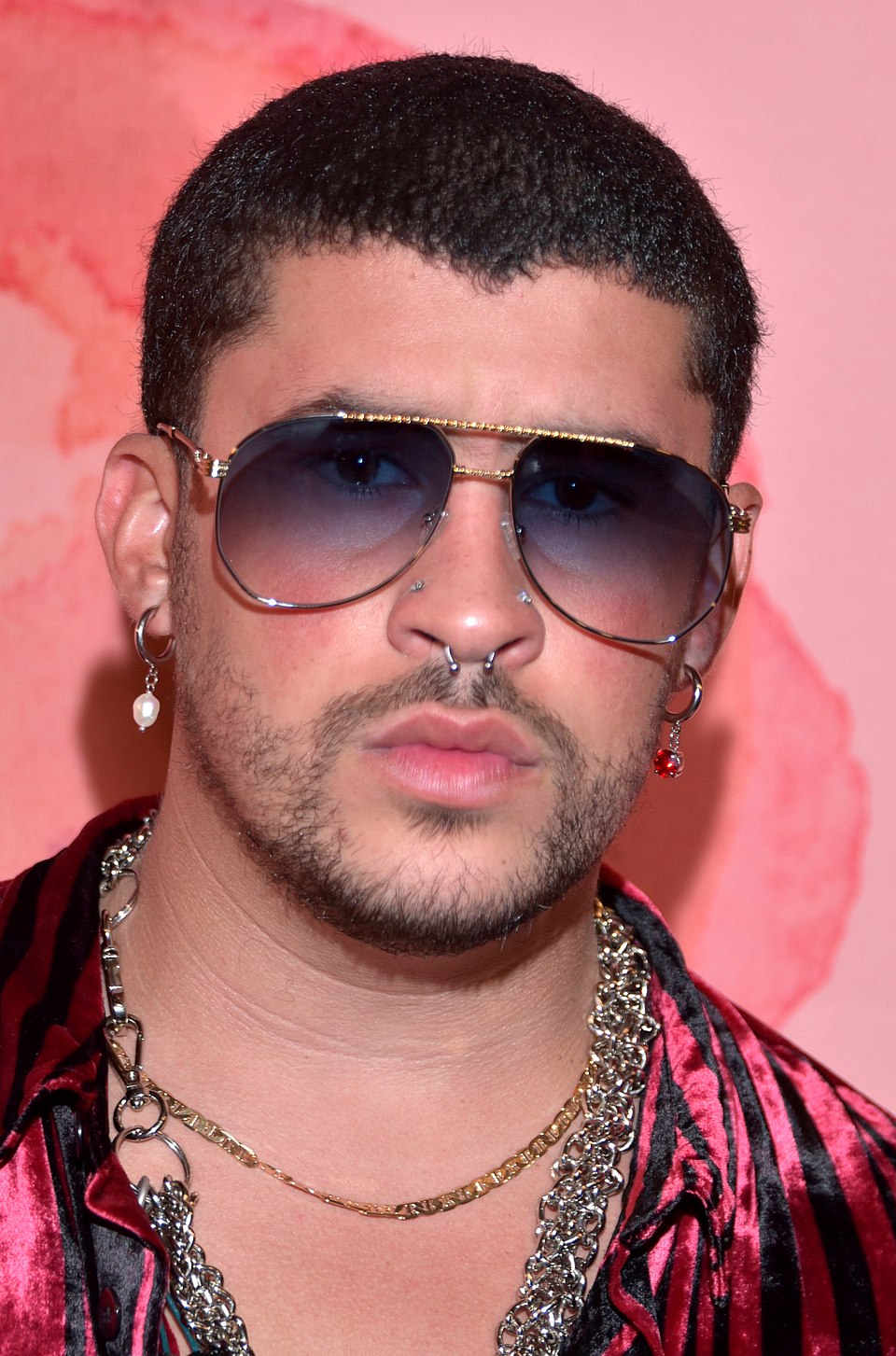
When Bad Bunny won Album of the Year at the 68th Annual Grammy Awards with ‘DeBÍ TiRAR MáS FOToS’, the room stood up before he could even fully process what had just happened.
Tears hit immediately. Applause didn’t feel polite — it felt earned, communal and necessary. For the first time in Grammy history, an all-Spanish album took home the Academy’s highest honor. That alone is historic — but winning now makes it something heavier, something iconic.
DTMF is not just an album born in Puerto Rico — it is born out of Puerto Rico’s history. A history shaped by colonialism, displacement and a constant fight to be recognized as fully human, fully deserving.
Bad Bunny has never hidden that.
The album lives in memory and resistance: perreo as protest, nostalgia as survival, joy as defiance. It speaks to Puerto Ricans specifically, but its weight stretches far beyond the island. Every Latino who has ever been told to assimilate, to stay quiet, to be grateful for crumbs, hears themselves in it.
“I wanna dedicate this award to all the people that had to leave their home land or country to follow their dreams,” He said in his acceptance speech.
That’s why this win hits so hard right now. After months of backlash for his upcoming performance at the Superbowl Halftime Show. Here is Benito Martinez Ocasio, a week before, standing on the biggest stage in music, winning Album of the Year without translating himself, without softening his roots, without asking permission.
His Grammy speech was powerful, emotional and heartfelt. It felt like he was hugging the entire Latino world and claiming our spot on the world stage. There was room for something sharper, something more cutthroat. But the statement existed regardless.
The album itself said everything. DTMF doesn’t beg to be understood. It exists as proof. Proof that Spanish doesn’t need an English co-sign. Proof that Caribbean music doesn’t need to dilute itself to be “universal.” Proof that stories about Puerto Rico — about struggle, joy, survival — are not niche.
The image of Bad Bunny on that stage mattered. Seeing him be celebrated by American artists in the audience mattered. Watching the entire arena rise for him mattered. This isn’t just a personal victory — it is a cultural one. A win for people whose identities are constantly questioned. A win for anyone told their culture is too loud, too foreign, too much.
Yes, the Academy benefits from this optics. That truth can coexist with the impact. History still happened. The first all-Spanish Album of the Year is now real. Permanent. Unerasable.
Bad Bunny didn’t just win a Grammy. He cracked a door that was never meant to open this wide. And for Puerto Ricans, for Latinos everywhere, that moment felt like breathing — even if just for a second — in a world that keeps trying to take the air away.