


Halloweekend means costumes, parties and frat hopping, and safety can easily become a secondary concern. Title IX — a law for victims of sex-based violence that the University of Miami abides by — can help anyone who gets hurt.
Cases of sexual violence can start with a text. A party. A drink. While there are no studies linking Halloween with a spike in sexual abuse cases, research suggests sexual abuse tends to happen between 10 p.m. and 6 a.m., a time when many college students will be out celebrating the holiday.
Regardless of when it happens, Title IX can step in to help victims.
Since Congress passed Title IX Of The Education Amendments of 1972 to prevent the discrimination of people in academic programs “on the basis of sex,” every university that receives federal financial assistance is mandated to have a Title IX coordinator on campus — but not all of them have a specific office for it.
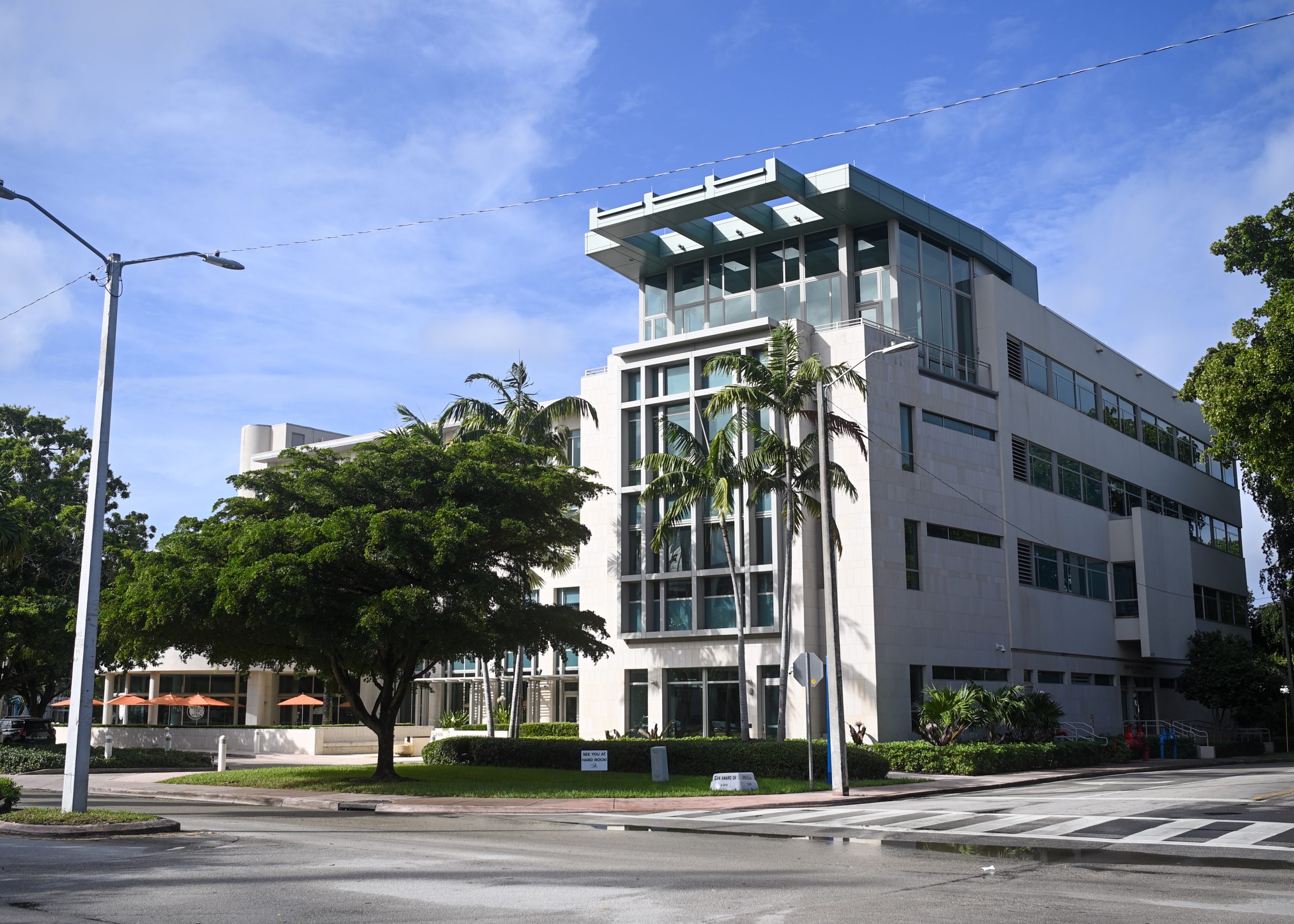
The Newman Alumni Center hosts UM’s Title IX office, where claimants — students and staff alike — can report incidents to Dr. Maria Sevilla, the Title IX coordinator. Confidentiality is granted to claimants, so no one outside the Title IX office is told their name. Police are not contacted unless requested by the claimant or Title IX members think it is necessary for the “welfare of the UM community.”
For victims who choose to remain completely anonymous, an online form is available. When submitting these forms, students can select whether they want to be updated on their case or not. These reports reach Title IX investigators, but do not guarantee that disciplinary action will be taken.
To better understand the process, The Hurricane spoke with a student who wishes to remain unnamed and reported a case of sexual misconduct — the name UM gives to cases of “relationship violence, sexual harassment, sexual assault, and stalking.”
If Title IX pursues the case, the “student conduct process,” outlined on the office’s website, begins.
“I reported [what happened] on a Sunday,” the unnamed student told The Hurricane. “And I got a response by Monday.”
During the first “investigation meeting” between the victim and investigators, the affected student gives their testimony and can request that Title IX investigators gather additional evidence of the report.
After the investigation, Title IX contacts the alleged perpetrator and any known witnesses. This step can take the longest — up to a month according to the unnamed student — because it depends on the alleged perpetrator’s schedule.
A “formal notice of charges” is then sent to the respondent with a three-day time limit. The University did not respond to The Hurricane’s questions about what happens if the alleged perpetrator does not reply within the time limit.
If charged, the respondent can respond with “responsible,” “not responsible,” or “I don’t want to say.”
If they are found responsible, punishments include: participating in an educational course, “disciplinary action” that remains on the student’s record for one or two months, permanent “strict disciplinary action” that is never removed from the record or a suspension.
Students then attend a “mitigation hearing” where they can advocate for what action they deem appropriate. Regardless of what the respondent — and the claimant — say, the final decision falls on Title IX.
“Compared to other places in the country, I feel like it was taken more seriously,” the unnamed student said. “But I still don’t think it was the change that I wanted to happen.”
Claimants left that do not agree with the punishment can appeal to the Office of the Vice President of Student Affairs, but their request can be denied.
Despite the student feeling like UM’s Title IX Office took the situation seriously, the student still feels there is work to be done.
This unnamed student’s case ended with a “disciplinary action” that would remain on the perpetrator’s record for two semesters. They weren’t a senior. It left the victim questioning: what’s even the point?
“I don’t see the point of it being on his record if it’s going to disappear,” the unnamed student said. “That’s just a warning. I want it to stay when he is applying for jobs and for graduate school.”
The burden of providing evidence can be physically and emotionally taxing for victims. Repeating the events endlessly or being asked to identify the perpetrator can cause major distress, according to the unnamed student.
If victims feel that the punishment faced by the perpetrator is “insufficient,” it can make their suffering feel invalidated.
“It’s really upsetting because you want to find closure in what happens to the other person,” the unnamed student said. “And when that doesn’t happen, you feel like you are crazy, invalidated and so frustrated at the world.”
The Miami Hurricane contacted the University inquiring about specifics of the investigation and appeal process, and UM reiterated its mission to create a safe and inclusive campus for everyone.
“The University of Miami prohibits all forms of sexual misconduct and sex-based discrimination, including sexual assault. The University’s Title IX Office and Dean of Students Office work collaboratively to address concerns of sexual misconduct involving students,” the University said in a statement.
The complete outline for the Title IX investigation process, as well as additional resources, can be found on their website.
At a time when the nation’s eyes are on Title IX and its practices due to a former Cornell student suing the university for negligence after her alleged gang-rape, it is important for victims not to feel suffocated by the attention and to remember that UM offers resources to help them.
For cases of rape, students are encouraged to contact 911 or the University’s 24-hour Sexual Assault Resource Team at 305-798-6666. Roxcy-Bolton Rape Treatment Center is also near campus and provides specialized sexual violence treatment 24/7.