


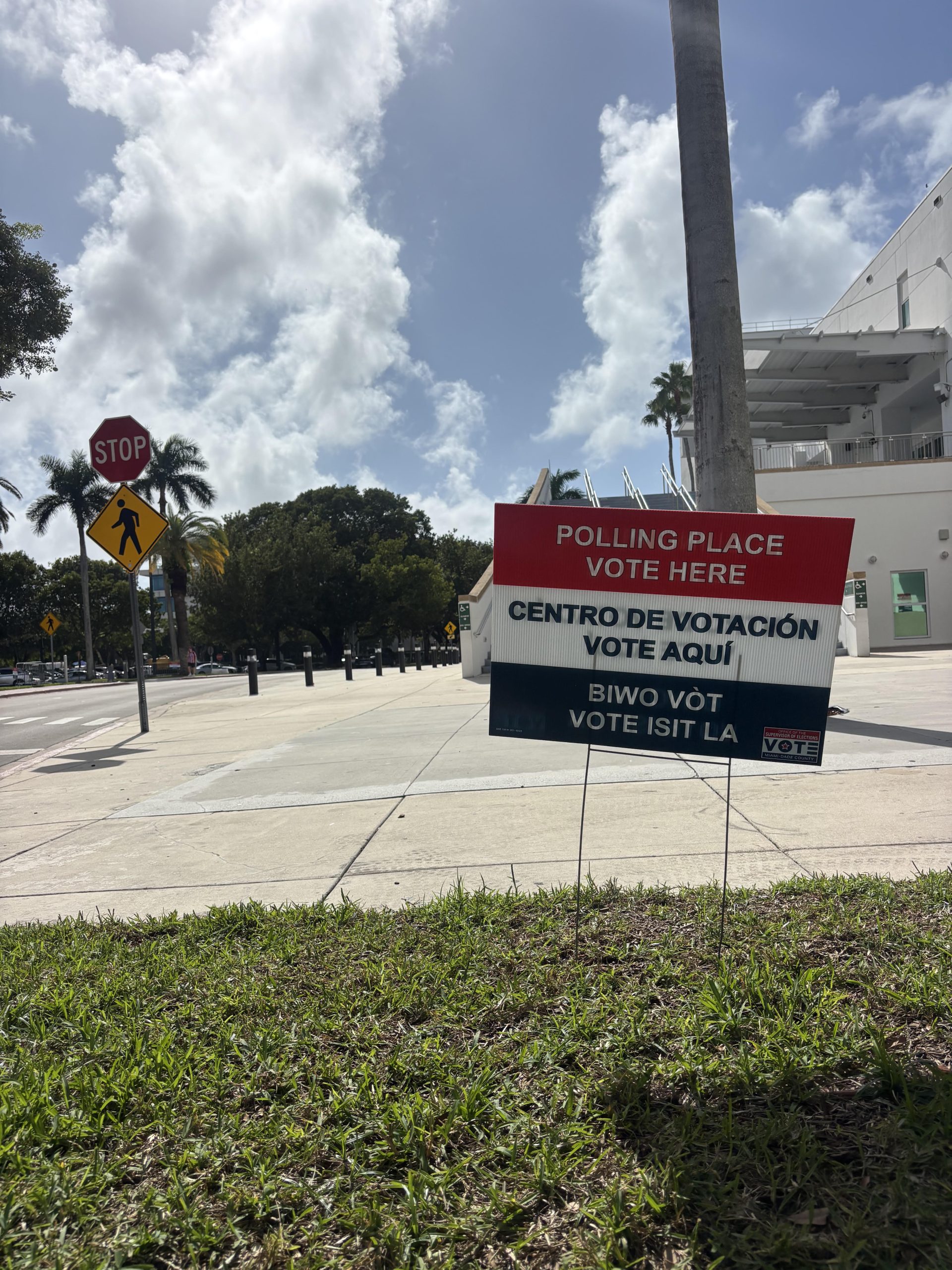
In a historic midterm election, Democrats have recaptured majorities in both the U.S. House of Representatives and the U.S. Senate.
Throughout the campaign trail, President Donald Trump urged voters to cast their ballots as if he was running for office again. Voters responded by turning out to the polls to flip key red states blue.
The election results represent less of an overwhelming endorsement of Democratic policy. It is not a Democrat win, but it is a Republican loss. A stark 60% disapproval rating of President Trump during his second term has voters now turned to flip house and senate seats.
Now, Capitol Hill’s new Democratic majority must prove that they can deliver productivity in Congress rather than settling for gridlock, especially if they want to take the Oval Office in 2028.
At the heart of voter discontent was high prices for everyday necessities, including groceries, gas and surging electricity bills. Coupled with low administration approval ratings and escalating geopolitical tensions surrounding the conflict with Iran, these concerns created tough campaigns for Republican candidates.
In the 2018 midterms, Democrats took over the House during Trump’s first term. The next two years in Congress were marked by a lengthy government shutdown and two impeachments of the president.
The next two years threaten to bring that same polarizing friction. Democrats have already vowed to investigate executive overreach in power, including efforts to target Defense Secretary Pete Hegseth. The Judiciary and Oversight committees in Congress are already planning investigations into the administration’s actions.
However, impeaching executive leaders won’t lower grocery bills. Government shutdowns won’t stop the war in Iran. Focusing solely on investigating Trump risks stalling the legislative momentum Democrats need to improve American lives.
Voters need to realize that just because Democrats have won the house and Senate, it doesn’t mean the issues seen during Trump’s term will be remedied right away.
Congress needs to maintain a productive legislative agenda while targeting accountability towards the administration. President Trump, who claimed on election night a willingness to work across the aisle, warned a few days prior that he would become “Mr. Veto” if control of Congress shifted.
If the new majority uses their power to focus strictly on endless investigations rather than policy solutions, the legislative process risks stalling and weakens the next two years of what could be a productive Congress.
In one of the night’s major upsets, Democrat James Talarico defeated Republican Attorney General Ken Paxton in Texas, flipping a Senate seat in a historically deep-red state. The victory came despite massive financial backing from tech billionaire Elon Musk, with nearly half a billion dollars.
Even Florida, a deep red state, saw fiercely contested races. In the gubernatorial contest to succeed outgoing Governor Ron DeSantis, Republican Byron Donalds narrowly defeated Democrat David Jolly, securing victory by just 1.3 percentage points.
Perhaps a more striking election was seeing a Republican loss even in races lacking active Democratic campaigns. In an Iowa state house race, Democrat Eric Armstrong won despite stepping back from active campaigning in early September due to personal health issues.
“We will vote for anyone who is not a Republican,” a voter said in an Instagram post, which captured a lot of voters’ moods during this election with over 500,000 likes and more than 15,000 reposts.
These red states flipping blue should be a wake-up call not just to Republican leadership, but Democrats as well. As the midterms come to an end, the newly elected leadership must balance their aggressive oversight with a clear message to prove to voters that their blue wave can deliver real progress.