


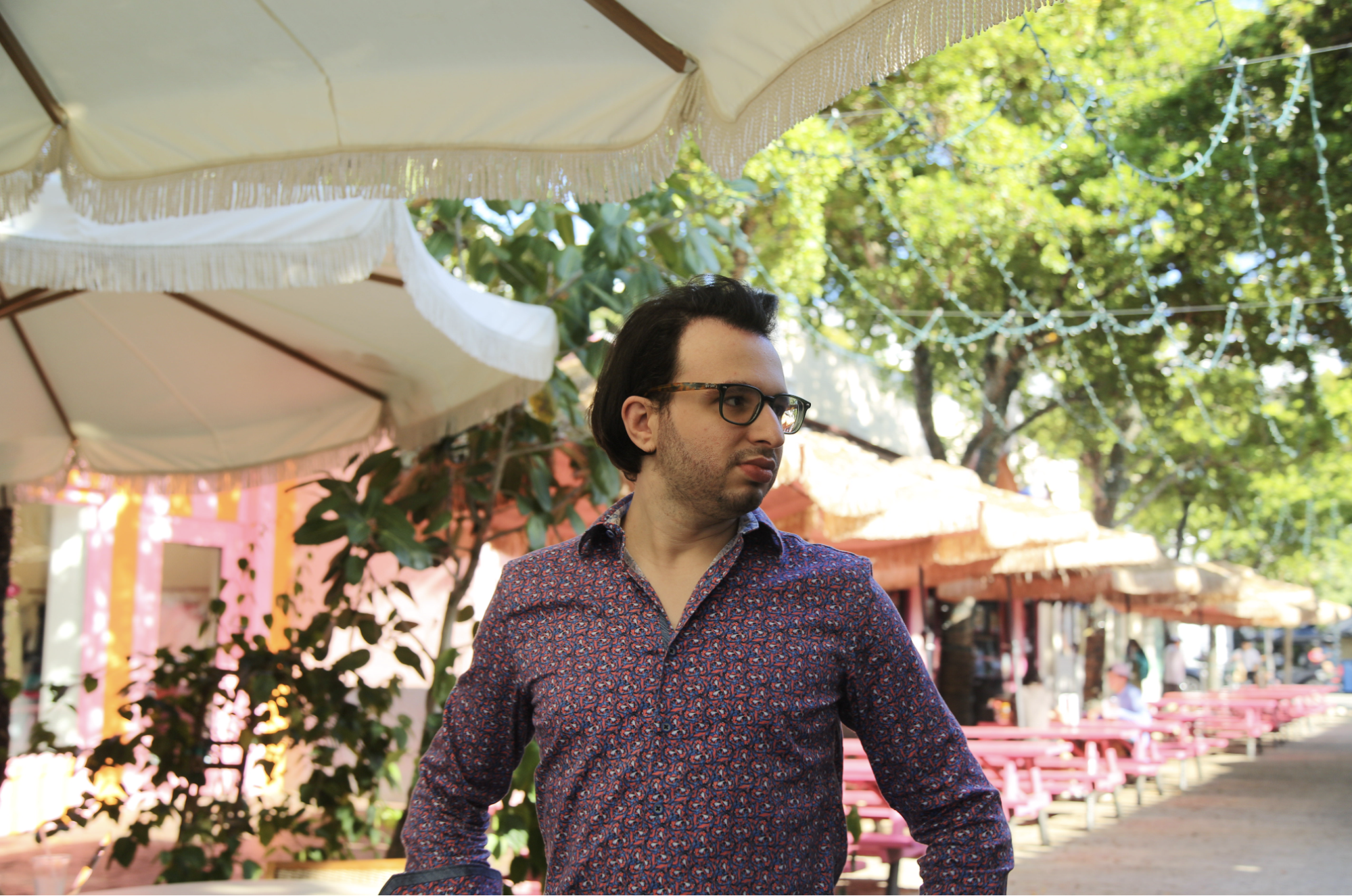
Gentrification has reshaped the Coconut Grove community, with artists being the first to go. Sustaining authentic artistic culture has been difficult. William Hector is trying to preserve a sense of community in the neighborhood through theater.
Hector has become one of the most visible figures in Coconut Grove’s community. By founding the Coconut Grove Theatre Festival last year, he has helped revive a sanctuary for art forms in the Grove. Art is a way to resist gentrification and preserve the neighborhood’s artistic soul, proving that theatre can be art with teeth.
“If you give people the tools to form community and opportunity,” Hector said, “they will naturally do that because that’s why we’ve succeeded as a species.”
This belief has been foundational to Hector since he studied at the University of Miami in 2015. He was the first person to participate in an independent major, combining politics, philosophy and economics with playwriting. The choice is reflected in his work now. His mentality focuses on building the structure you need if it doesn’t already exist. When he began an unconventional and independent academic path, it built a foundation for his career where he focuses on creating opportunities in theatre and giving back to his community.
Since the Playhouse closed in 2006, there’s been a void in the theater. Hector has spent the past couple of years rebuilding the local art scene.
The first-ever Coconut Grove Theatre Festival took place in May 2025 with over 700 people in attendance. Eight staged plays were performed at the historic Woman’’s Club on South Bayshore Drive. The festival gives South Florida playwrights, directors and actors a place to meet, collaborate and perform original plays. The festival exists because people in the Grove want to see and support art.
The festival stemmed from an idea presented by Hector to Irene Munroe, a board member at the Women’s Club of Coconut Grove and a longtime friend of Hector. The plan was to stage a single play. But during the discussion, the possibility of producing eight different plays emerged, and the committee recognized the potential impact.
“I knew he had such a passion for theater, and this was a dream of his, and I wanted to see it come to life.” Munroe said, “It just took off.” Nothing like this had ever been done before. But everyone recognized how much it was needed right now.
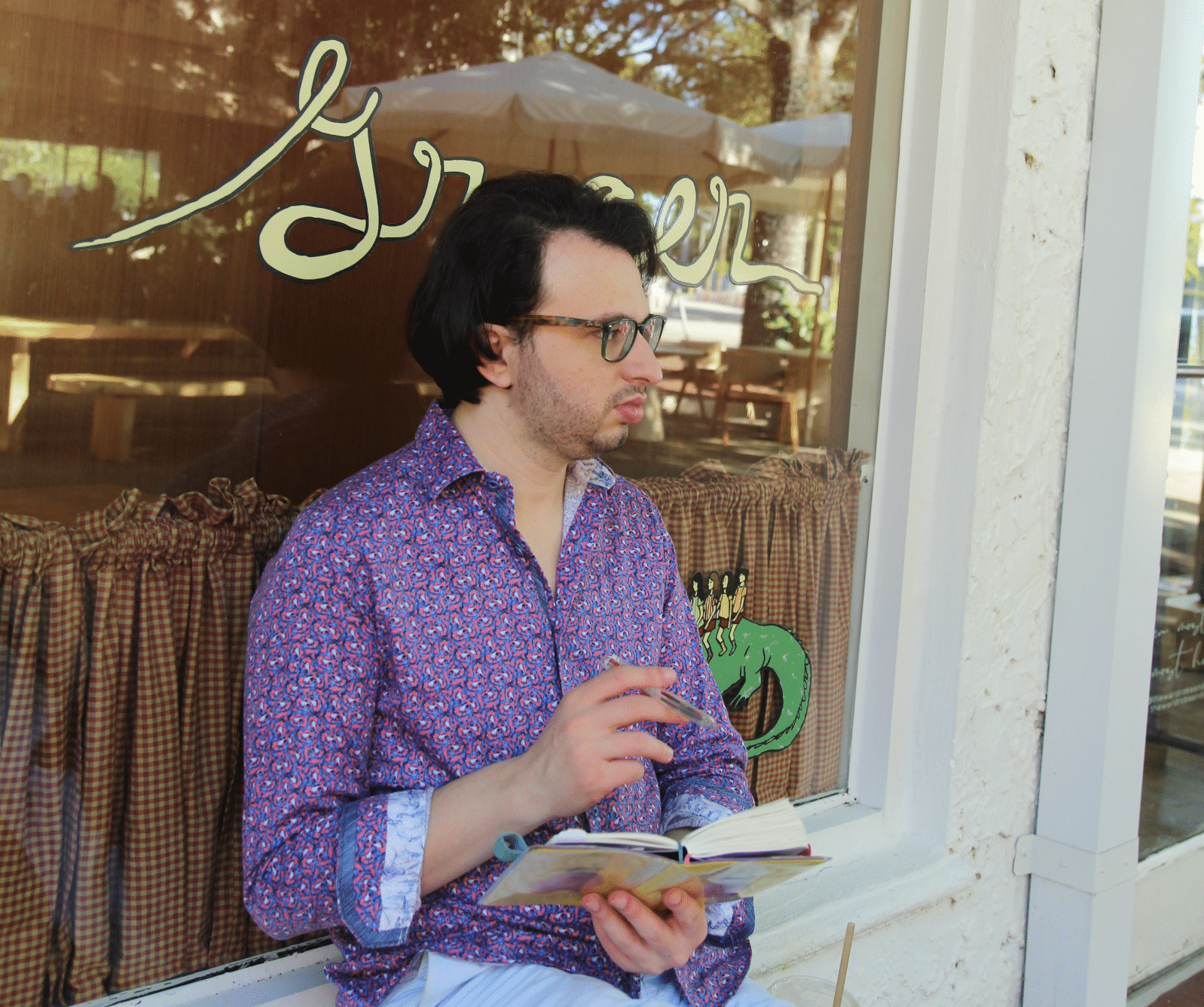
Organizing and raising nearly $40,000 in a few months, he talked to every business in the Grove to get buy-in and build sponsorships. Framing the festival as a benefit to the neighborhood by promoting accessibility, public space and community support that are vital to local businesses. Hector described it like a spider web: one connection leads to another, and over time those strands create something durable.
“It encourages the audiences to come to the festival but also to eat, to shop, to stay in the Grove… so it’s not just one event but a whole ecosystem, building culture and community.”
People who work closely with Hector say the festival is a task only he could accomplish because it reflects his imagination. Victoria Collado, a director for the CGTF, shared how integrated and precise Hector’s mind is. She recalls how he could revise pages with exact timing and come back with cuts so precise they fit almost to the minute.
Collado describes his work as “entering a fully imagined universe.” When she first read G7: 2070, an immersive piece set in future Miami for a global summit, she was in awe. “I didn’t get a play,” Collado said. “I got an immersive novel… he really built an entire universe for you.”
Beyond writing, the real immersive universe filled with possibilities is in his own backyard. He is involved in the Groves’ cultural life by attending social events, supporting businesses and broadening his perspective through networking. Because he grew up in the Grove, his connection to the neighborhood is extra special to him.
Hector responds to gentrification through art.
Giving local artists the platform to create the kind of theater that the Grove has been missing. Theater is inherently political; art is not separate from civic life. His work values community, reflection and resistance.
Through short plays, readings, immersive theater, dinner theater, one-person shows, outdoor performances and children’s matinees, Hector aims for everyone to have something to enjoy. Making the atmosphere welcoming and exploratory, emphasizing that eccentricity and passion are what makes the Grove thrive.
The festival will return for a third year on April 19 to May 2, 2026, with fresh, original work that Hector hopes will inspire youth to get into theater.