


Gabriella Rothberg was not trying to start a company.
She was trying to convince her dad, a self-described “carnivore,” to eat a vegetarian tomato sandwich. After some convincing, he finally took a bite and was shocked by how much he liked it.
He asked what kind of tomato she had used, to which she replied, “beefsteak tomato.”
The name sparked an idea: What if a tomato could actually taste like beef?
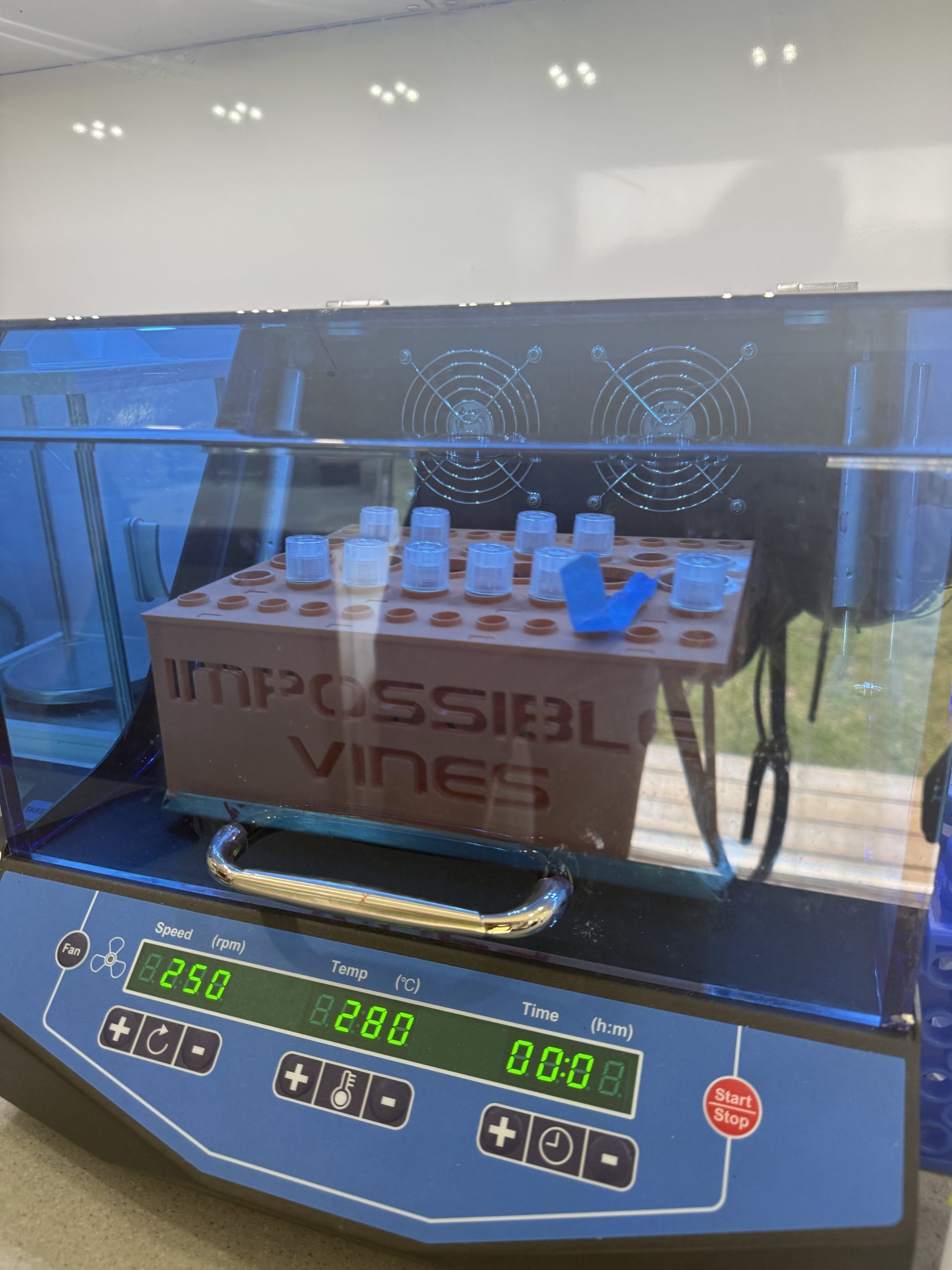
Rothberg was only 15 years old when that conversation became the beginning of Impossible Vines. The project develops tomatoes that produce heme, a molecule associated with meat’s savory flavor.
The idea combined science with something Rothberg already loved: cooking. Growing up, she regularly prepared meals for her family, including Thanksgiving dinners for around 30 relatives. “That’s where my love of cooking started, and just the act of service, honestly,” Rothberg said.
Turning the idea into something real meant learning science far beyond Rothberg’s high school education. She began working with Maddison Marshall, a University of Miami Ph.D. student who helps plan their work in the lab.
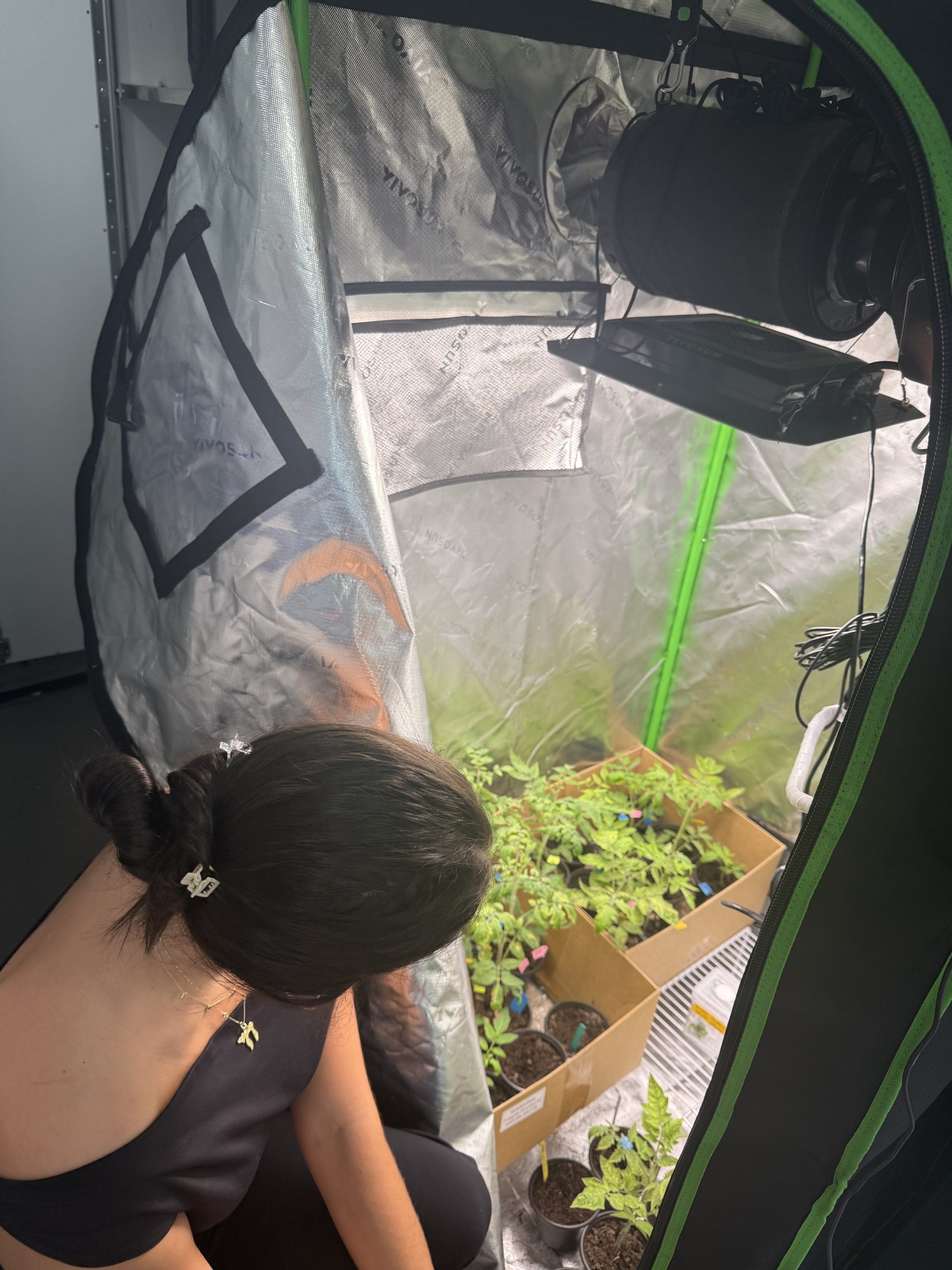
Together with Marshall, UM mentors and faculty advisors have helped connect the project to a university Rothberg and her family already love. “I was just a little girl with a dream,” Rothberg said. That dream quickly became a major time commitment. For the first year and a half, Rothberg would finish a full day of school, go to crew practice until 7 p.m. and then work on Impossible Vines until 10 or 10:30 at night, around four days a week.
Even with those hours, progress was not guaranteed. For months, their plants kept dying until they discovered that one ingredient in their carefully measured growth medium was wrong. Once they fixed it, progress they had been waiting months for began happening in days and weeks. Today, Impossible Vines has a U.S.-issued patent, and Rothberg said the team has produced a transformed plant they are now testing.
AI has also become an unexpected part of building the company, helping Rothberg with everything from constructing the gene and lab calculations to patents and business plans. “It’s just been amazing what an entrepreneur can achieve when they’re working with artificial intelligence,” Rothberg said.
The technology cannot do the experiments for her, but it has allowed a teenage entrepreneur to take on work that would normally require a much larger team.
Rothberg’s vision for Impossible Vines goes beyond making vegetables taste like meat. She is interested in heme’s relationship with iron and the potential for a tomato like hers to provide more nutritional benefits, particularly in communities where raising livestock is less accessible.
“Think about how much easier it is to grow a tomato in your backyard as opposed to having a ranch with cows,” Rothberg said.
Eventually, Rothberg wants Impossible Vines to become something people can find during an ordinary grocery run. “I want you to be able to walk down the aisles of a grocery store and have the option between a regular tomato or a tomato that’ll make you taste a hamburger,” she said.
Until then, she documents the experiments and progress on her Instagram and X accounts (@impossiblevines.)
What started with a beefsteak tomato and a sandwich for her dad is still years of work away from the grocery aisle. But after late nights, failed experiments and a lot of plants, what began as Rothberg’s idea is now growing in a lab.