


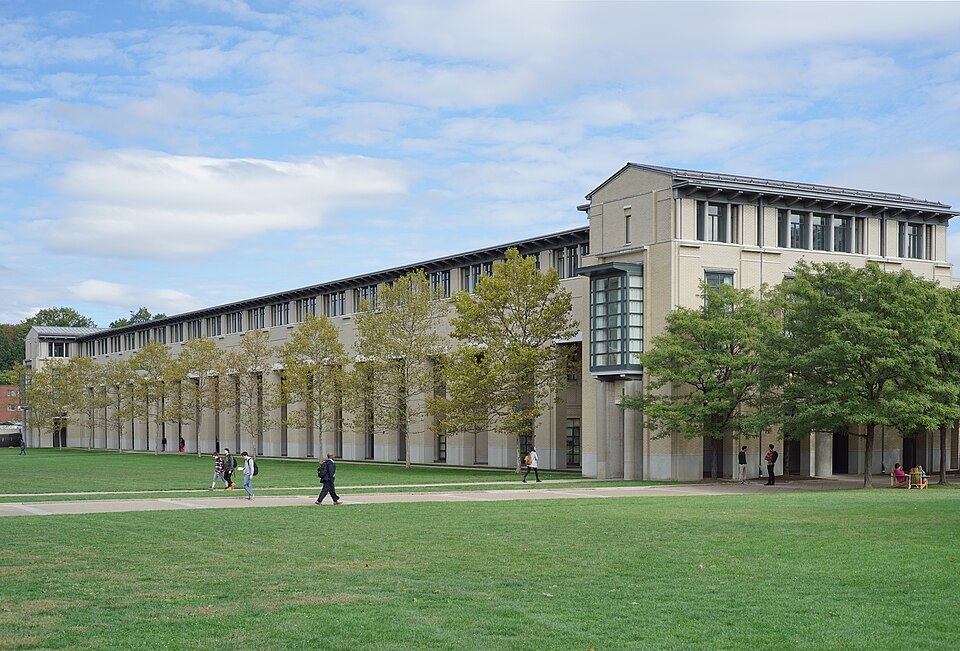
Carnegie Mellon University announced it is expanding to Miami thanks to a $3 billion donation by Citadel CEO Ken Griffin on Sept. 30.
The new campus will be located across 35 acres of Wynwood and will begin construction in 2027. Eventually, CMU Miami will eventually host 3,500 undergraduate and graduate students and more than 900 faculty and staff members.
Griffin’s was the largest individual donation in higher education history. It is estimated that $2 billion of the donation will help fund the Miami campus, and the remaining $1 billion will support the CMU Pittsburgh campus.
“With the right people you can make anything happen, but you need the right people,” Griffin said in an interview with CMU. “CMU mirrors the ethos of Miami with individuals who are willing to give up everything to live and experience the American dream, just like Carnegie Mellon.”
He has praised CMU’s instrumental contributions in development in areas across disciplines and expects the Miami campus to contribute to growth and expansion for the city.
The university plans to begin enrolling students in 2028, pending regulatory approvals. CMU Miami will take an nontraditional path, focusing on major societal challenges and not traditional majors. The four “grand challenges” are human health and biological discovery, national security and strategic capabilities, energy and climate resilience and advanced manufacturing and industrial transformation.
CMU Miami is pioneering a new perspective of education and this could strengthen Miami’s growing reputation as a center for technology and higher education.
Miami is already home to the University of Miami, Florida International University and Miami Dade College. Adding another university to the mix means new attention on Miami, meaning more competition.
Several name-brand universities are capitalizing on South Florida’s tech and finance boom, including the Northeastern Miami campus and Vanderbilt building a campus in West Palm Beach. The competition could encourage UM to expand its tech and AI program to maintain its reputation in the Miami community.
CMU’s aim is for students to feel part of the community, and they will involve external stakeholders in students’ education and in the interest of building mutual trust. Integrating students into Miami through experimental projects with stakeholders.
If CMU is successful, more colleges and universities may consider investing in satellite campuses in Miami.
Farrnam Jahaniam, CMU President, said he hopes this will be a model other institutions follow and sees this investment influencing higher education into rethinking the academic structure.