


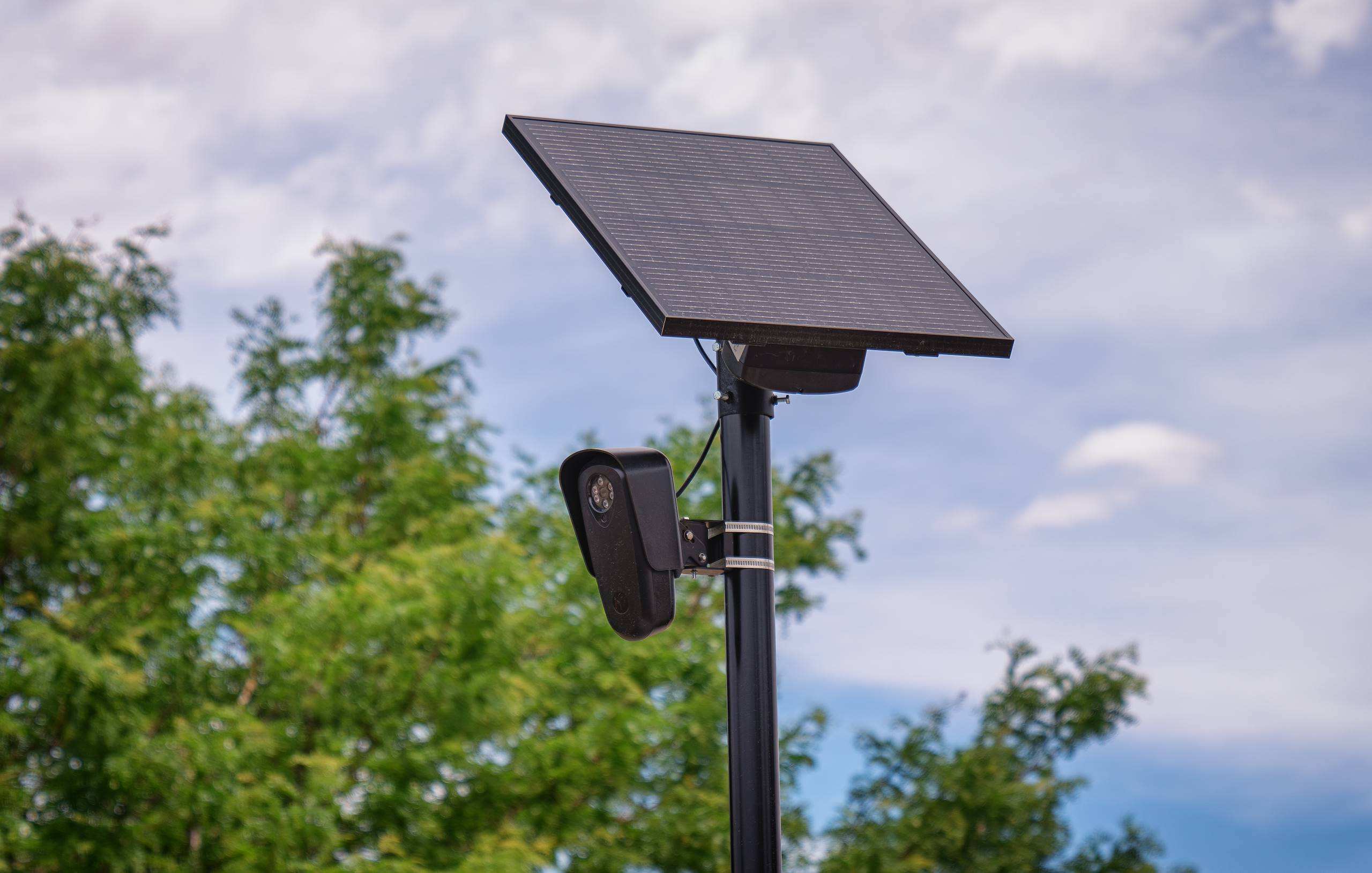
This summer, I was driving through my hometown when my girlfriend suddenly pointed out a camera on the side of the road.
At first, I didn’t think much of it, but as I fell down the rabbit hole of Flock cameras, I discovered how much information these AI-powered systems collect about our vehicles and movements.
Flock cameras are license plate readers that record a car’s features, as well as the time and location of each sighting. Flock stores their data in a private database that authorized police personnel can access.
These cameras directly threaten our right to privacy and our fundamental ways of life —in more ways than people may realize — and the state of Florida is raising the same concerns I am.
In an order issued in August, Gov. Ron DeSantis directed the Florida Department of Transportation to remove Automatic License Plate Readers from state roads, citing privacy concerns. The state was also ordered to no longer issue new permits for ALPR cameras.
Although Flock and Axon cameras give police another tool for solving crime, it should not come at the cost of our privacy.
“I was not aware that we had any [ALPRs] nearby,” said junior Sophie Hartog. “Frankly, the cameras don’t really bother me. As long as they’re not selling the data, I don’t really see a problem with it. But they also don’t make me feel any safer either.”
One of the biggest concerns people have is that these cameras monitor innocent people simply going about their day. Out of the billions of license plates scanned by Flock every month, less than 1% are connected to any crime. Effectively, virtually everyone captured by these cameras is just a regular person.
Yet, their information is still being collected.
A Florida woman was jailed for 13 days in October 2025 after police wrongly connected her to a fatal car accident using Flock data. This situation shows how surveillance technology can lead to innocent people being accused of crimes they did not commit.
Motorists should not have to surrender their freedoms to drive down a road. For people driving around Miami, this could mean their everyday routine is captured without them even knowing. A commuter’s regular trips could reveal where they work, live or even where they like to go in their free time.
The city of Coral Gables does in fact have ALPR cameras on the streets, with the closest one being on South Dixie Highway near the THesis Hotel. This camera is within walking distance from campus, in an area many students tend to frequent.
Even when a camera captures only a small piece of information, it still goes into a database that gradually grows and paints a more detailed picture of someone’s life.
A free society should allow people to go about their daily lives without worrying that Flock cameras are tracking their routine.
Supporters of Flock cameras could argue that these cameras help solve crimes that might not be solved using traditional methods. While they are a useful resource for law enforcement, their usefulness does not justify how they are being used.
There must be a balance between safety and individual rights. If police are allowed to collect information about everyone, innocent people will inevitably become part of investigations without ever being suspected of wrongdoing.
There are also concerns about police misusing Flock. There are several documented cases in which law enforcement has used Flock for stalking and personal use.
When officers misuse this technology, innocent people become unfortunate targets. Giving law enforcement this much access to our data creates many risks if that power is not supervised.
There are also serious concerns about who manages the information and how it can be used. When large amounts of information are collected, there must be limits on who can access it and how long it can be stored.
While Flock and Axon cameras may provide useful information for police, their widespread use presents serious problems regarding privacy, surveillance and the collection of innocent people’s information. A safer community should not mean a community where people sacrifice their civil liberties simply because they wanted to go somewhere.
Public safety matters, but so does the freedom to live without feeling as if I’m being watched.