


After three separate court-ordered extensions, Temporary Protected Status (TPS) for Haiti officially ended on Monday, July 27. Miami-Dade County, home to almost 113,000 Haitian residents, is likely to feel the impact of TPS ending.
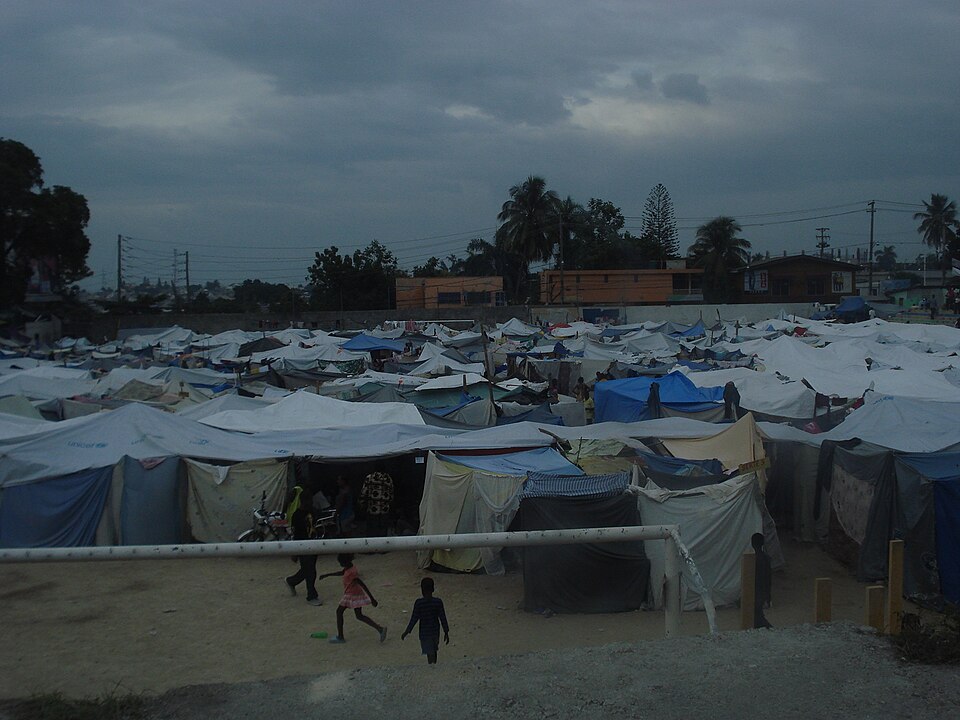
Haiti was designated for TPS in 2010 when a magnitude 7.0 earthquake struck the nation. The designation was continuously renewed and extended across administrations, citing the ongoing natural disasters and humanitarian crises.
However, on June 25, the Supreme Court ruled that the federal government has the authority to terminate TPS and lower courts are unable to block these decisions.
The core of this ruling hinges on Section 1254a(b)(5)(A) of the Immigration and Nationality Act. Justice Samuel Alito, writing for the majority decision, emphasized that this provision states there is, “no judicial review of any determination … with respect to the designation, or termination or extension of a designation.”
“Congress created TPS in 1990 to provide short-term humanitarian relief … Although designed to afford temporary relief, TPS designations in practice have often lasted for decades,” said Alito.
After multiple extensions totaling 25 days, TPS for Haiti officially ended this week.
Many politicians in Miami-Dade County have been vocal about their disapproval of the decision.
“Ending TPS is not just an immigration issue. It is also a workforce and economic issue that will hurt Miami-Dade,” said Miami-Dade Mayor Daniella Levine Cava. “These are our neighbors, coworkers, and the people who followed the law and have helped build our community. Miami-Dade stands with our Haitian community.”
North Miami Mayor Alix Desulme has also been critical of the decision to end TPS. North Miami is home to the largest concentrated Haitian population in the U.S.
“This decision immediately impacts more than 350,000 Haitian TPS holders nationwide, many of whom have built their lives in South Florida. For these Haitian families, this ruling creates uncertainty about their future, their livelihoods, and their ability to remain in the communities they have called home,” said Desulme.
The U.S. Citizenship and Immigration Services has said individuals should continue monitoring its TPS Haiti webpage for updates as the litigation continues, though officials caution that reversal at this stage is unlikely absent new congressional action.