


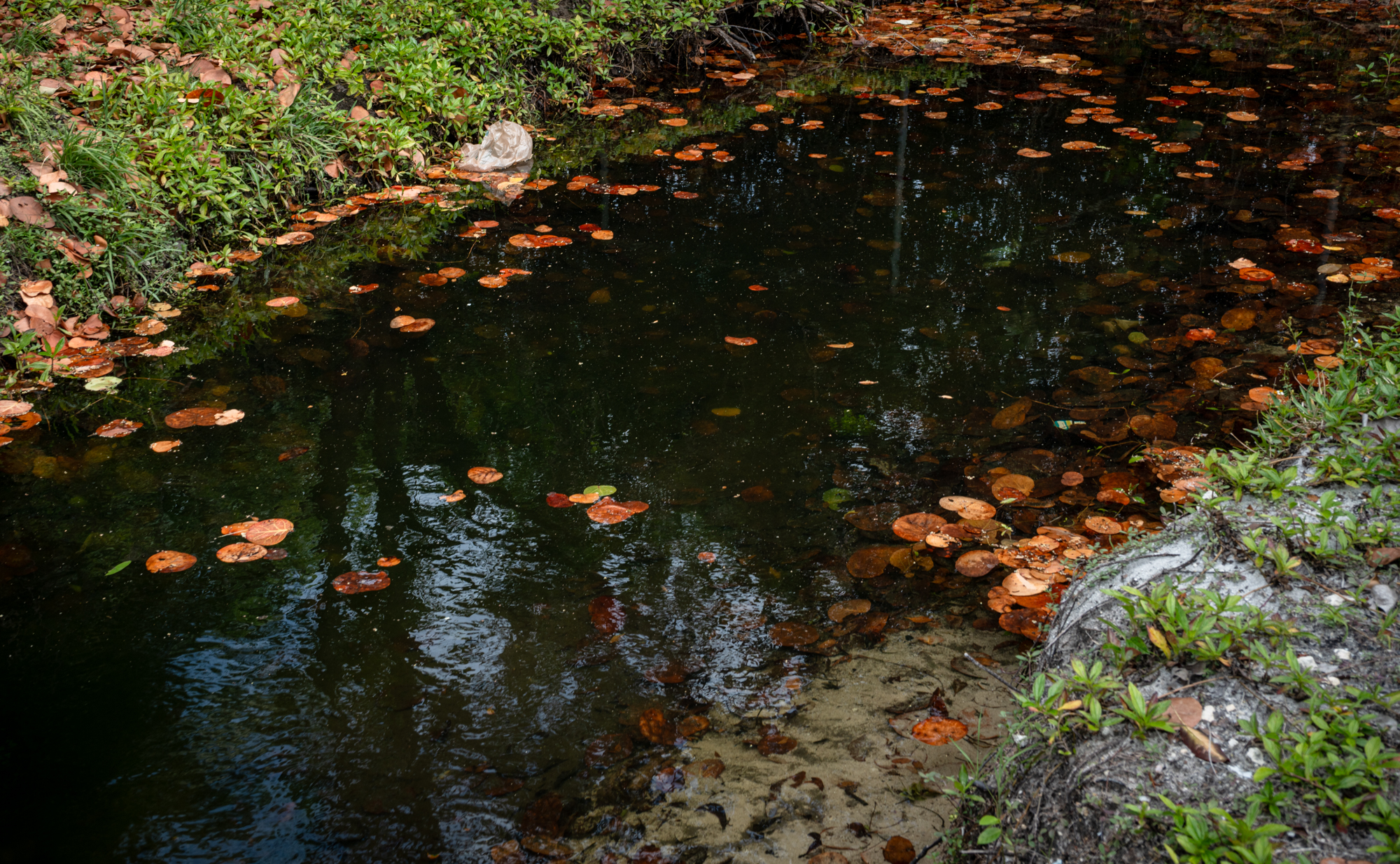
Concern surrounding vector borne illnesses, pathogens transmitted by blood-feeding bugs, is growing among South Florida residents.
South Florida’s warm, rainy climate and uniquely flat landscape create a near-perfect environment for mosquitoes to thrive year-round. This combination makes the region particularly vulnerable to these diseases that can be spread by insects like mosquitoes, ticks and fleas.
The area is home to nearly 90 species of mosquitoes and certain species, like Aedes aegypti, presenting significant health risks to residents, including diseases like dengue, Zika and yellow fever.
According to Dr. John C. Beier, a professor of public health sciences at the University of Miami Miller School of Medicine, dengue fever is particularly prevalent in South Florida.
“Dengue is more common,” Beier said. “There are imported cases, a lot from Cuba. There are also locally transmitted cases, about 20 last year.”
According to the Florida Keys Mosquito Control District, symptoms of dengue are “described as flu-like without the respiratory problems.” Other symptoms include a high fever, body aches, pain behind the eyes, rash, nausea or vomiting.
This past year, Dr. Beier conducted field research to determine how far Aedes aegypti mosquitoes travel. His department worked closely with Miami-Dade Mosquito Control, assisting the division in finding more effective control strategies.
“We have the dangerous vector Aedes aegypti year-round throughout the county,” Beier said. “Miami has good weather conditions, there are abundant larval habitats, and the local environment has good microhabitats for adult mosquitoes.”
He noted that the global rise in temperatures is concerning and that higher temperatures favor mosquito survival.
“Mosquitoes work fast,” said Shaun Judy, the CEO and founder of Dade Pest Solutions, a local pest control company. “In our climate, they can go from egg to flying adult in about a week, sometimes less if it’s really hot.”
That is why even a little bit of standing water — even as small as a capful — can turn into a problem before you even notice.
In response to a nonscientific survey posted on The Miami Hurricane’s Instagram story, one anonymous senior said that mosquitoes on campus are “Really bad by the mangroves in the water by Eaton and on the water at RSMAS. Fine everywhere else.”
Effective mosquito control requires disrupting the breeding cycle at multiple stages.
Larvicides are chemicals that can prevent eggs from hatching within a day or two, while fogging disperses chemicals that kill adult mosquitoes on contact.
However, Judy emphasized that neither method is fully effective on its own.
“The key is hitting both the larvae and the adults, plus getting rid of the standing water,” he said. “If you do all that, you can break the cycle in about a week or two.”
Miami-Dade County’s Mosquito Control and Habitat Management Division was established in 1935 to improve the quality of life and reduce the spread of disease. This year, mosquito control spending reached $13.8 million, according to the Department of Solid Waste Management’s 2025-2026 budget.
The division monitors mosquito populations using more than 300 traps across urban and rural areas, tracking species, population levels and potential disease presence. Officials also rely on reports from residents and data from the Florida Department of Health to guide their response.
“When a suspected mosquito-borne illness is reported, we send an inspector out the next day,” said Michael Mut, the public information officer for Miami-Dade Mosquito Control. “They check the property and surrounding homes for breeding sites and treat [them] if necessary.”
South Florida’s climate means mosquito activity never fully stops, but it intensifies during the warmer, wetter months.
“Because of our tropical climate, mosquito activity happens year-round,” Mut said. “From May to October, with increased rainfall and higher temperatures, populations rise significantly.”
As conditions continue to favor mosquito growth, experts emphasize that prevention depends not only on large-scale control efforts, but also on individual action — especially eliminating standing water before it becomes a breeding ground.