


April Fools Day is a day of laughs and fun to play harmless jokes on your friends and family. Jokes should never have to end in unsettling fear and uncomfortable punchlines that, well, never get to the punch.
However, for the students and faculty of University of North Carolina at Chapel Hill, the student newspaper caused just that.
For our April Fools edition, The Miami Hurricane published an editorial that addressed the responsibility student newspapers have to hold as trusted sources on campus, and how easy articles can spread misinformation, bias and harm to citizens.
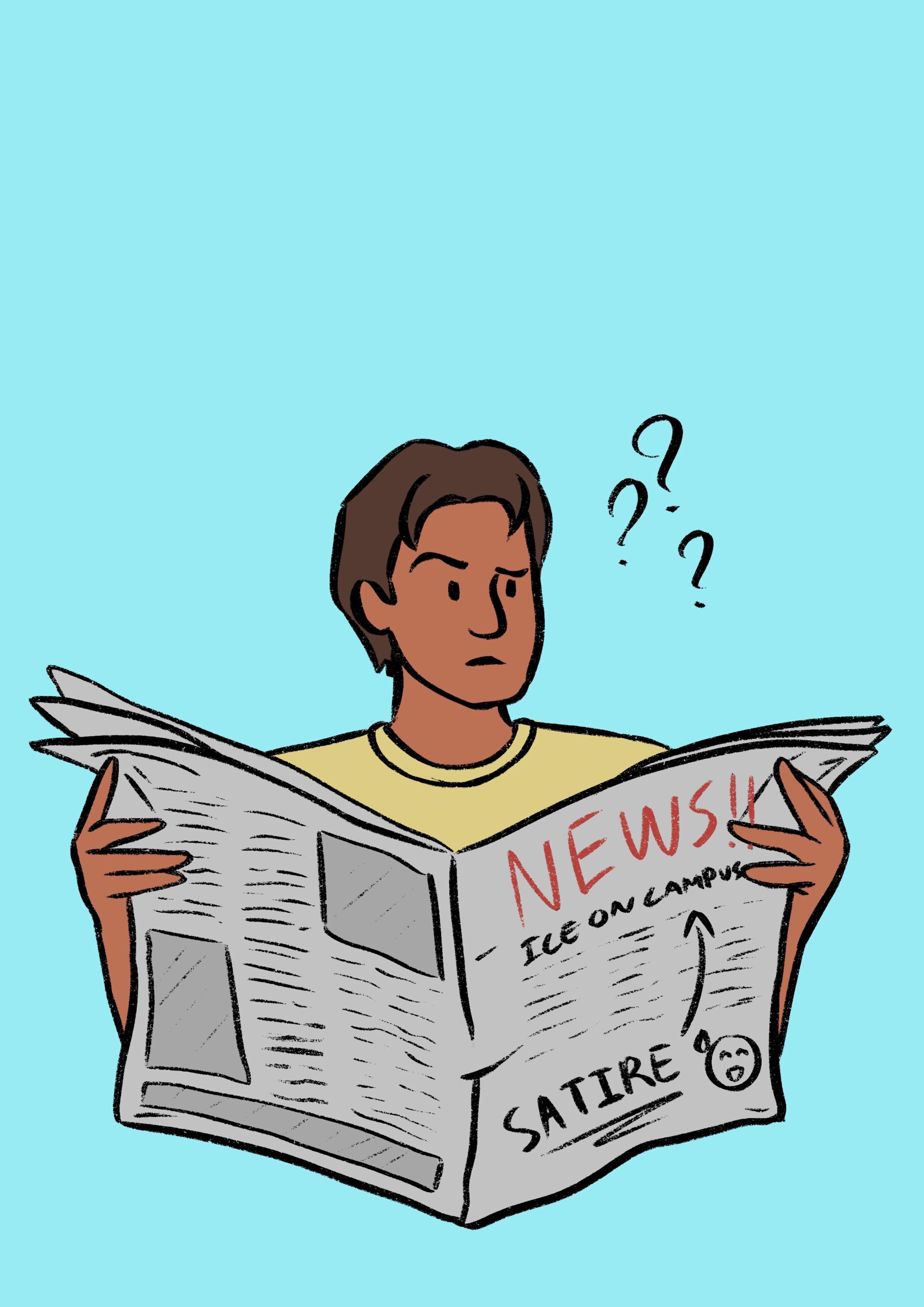
The same day, University of North Carolina’s The Daily Tar Heel published a series of satirical articles that were labeled as news, leading to mass misinterpretation, unfunny jokes and outrage.
These articles made light of topics such as ICE coming to campus and “UNC brings back DEI — for whites.” One article also used the term “two-stadium solution” as a pun for basketball infrastructure, poking at the Palestine-Israel conflict. Another mocked the historical Native American institution UNC-Pembroke as a demotion to campus-life.
Steps are being made to rectify the situation, but publishing these articles — especially as “news” — is an extreme misstep by The Tar Heel.
As student journalists, we have a responsibility to fellow students, faculty and members of the community to report news and be reliable, not to spread misinformation or fear.
UNC student body president Adolfo Alvarez issued a statement on Instagram calling for the newsroom to delete these articles and take accountability for any harm they might have caused. Alvarez called the published articles “insensitive and disrespectful,” listing multiple references in the articles that targeted students.
A number of articles, including the ICE article, have since been removed from the website, and an apology from the editor-in-chief was published later the same day.
In her statement, the editor-in-chief reiterated that the articles were incorrectly labeled online. In the print edition the articles were labeled under the opinion section as satire, with the opinion section falling on the last three pages of the 20-page edition.
The front page of The Tar Heel did not indicate that any of the articles were satirical. The second page did include a disclaimer, but this “april fools edition” still ended harmful and misleading. Anyone who did not open the paper to continue reading was led to believe everything on the front page was true.
Mistakes happen, but these articles should have never been published — satire or not. From the writer, to the editorial board, to the board, there must have been checks. Why did the top leadership ever think to give the “go ahead” to publish? For views? For laughs?
Student journalism is not exempt from ethical standards — if anything, it demands more care. Trust is the foundation of any newsroom, and once it is broken, it is difficult to rebuild.
The responsibility we hold as student journalists is not optional, and it should never be treated as a joke.