


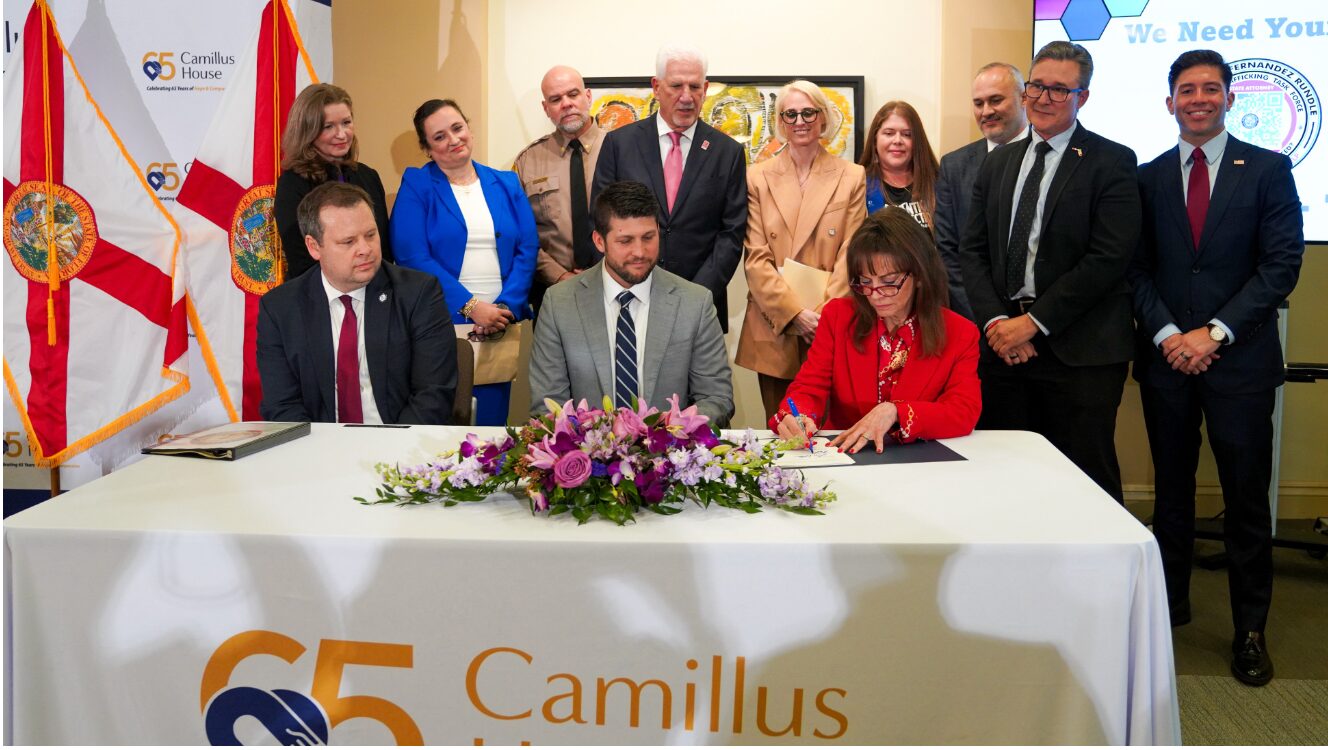
A new $1.5 million investment brought by the State Attorney General’s office is bringing renewed hope to the fight against human trafficking in Miami-Dade County, expanding resources for survivors and strengthening efforts to prevent exploitation.
Announced in late February, the funding will support law enforcement operations, enhance prosecution efforts and expand critical services for survivors — including shelter, counseling and long-term recovery programs at organizations like Camillus House.
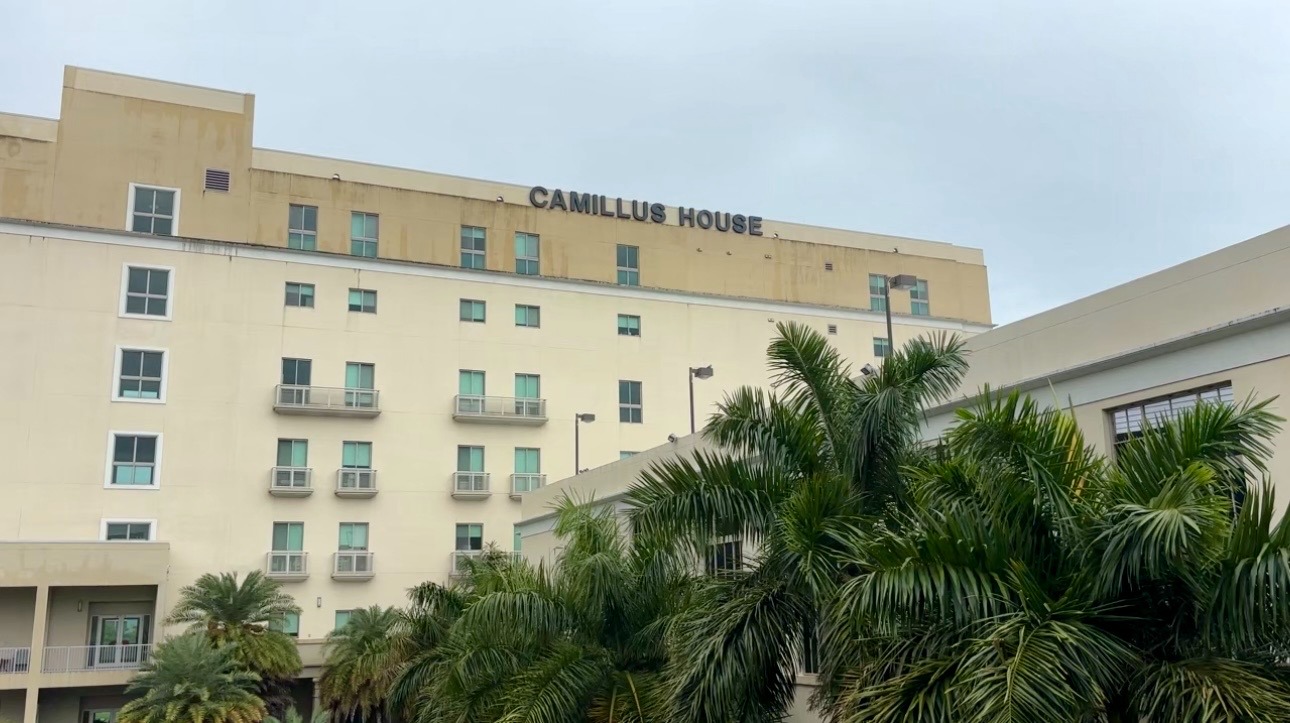
The organization, long known for serving Miami’s most vulnerable populations such as the homeless or those struggling with addiction and mental health disorders, has become a critical refuge for individuals escaping exploitation.
Residents receive not only food and shelter, but also counseling, mental health support and guidance toward independence such as job application programs and or DMV services.
As Miami prepares to host global events like the World Baseball Classic, Ultra Music Festival, the Miami Open and the 2026 FIFA World Cup, hundreds of thousands of visitors are expected to arrive. Camillus House and other similar organizations are preparing to meet growing needs with expanded support.
“We work very closely with the State Attorney’s Office,” said Erika Pineros, director of anti-trafficking services. “Our CEO promised 50 beds for recovery, which is unseen.”
While these events bring economic growth and international attention, experts say they can also increase vulnerability for those at risk.
“Anywhere where there’s tourism, you will see an uptick,” Pineros said. “Every time that Miami had a big event, I would get a lot of clients during that time.”
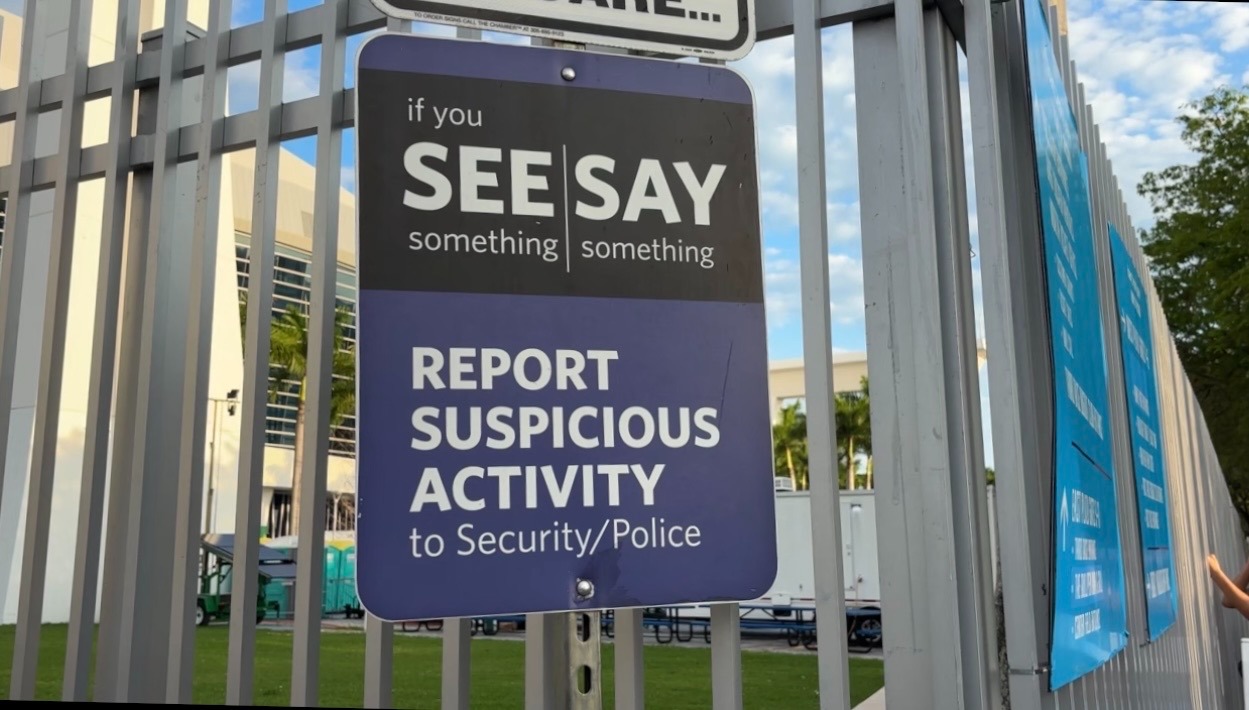
Human trafficking — the use of force, fraud or coercion to exploit individuals for labor or sex — remains a persistent issue in Miami-Dade County, often hidden in plain sight.
“It could happen to your brother, your sister, your child, your grandchild,” Pineros said. “It’s something that’s happening in our own backyard.”
Recent data from the Miami-Dade trafficking unit shows more than 200 reported cases in recent years, though advocates believe many more go unreported.
At Camillus House, those realities are personal.
“Whenever you’re put in a vulnerable situation, human trafficking and a lot of these predators can take advantage of people,” said Jonathan Beis, a resident of Camillus House.
Advocates say the expanded funding will help meet a growing demand for these services and allow more people to access the help they need.
“There’s good resources here,” Beis said. “We need more funding to get people into better situations and to help people have hope in their lives.”
For leaders at Camillus House, hope is already taking shape.
“The blessing is in the giving and not the receiving,” said Sam Gil, Senior Vice President of Operations. “Then that person who receives it, you see them later on giving it to someone else.”
As Miami prepares to welcome the world, this investment ensures that protection and support for vulnerable communities remain part of the city’s future.
Because behind every dollar is the chance for someone not just to survive — but to start again.