


It’s been nearly three years since HBO Max announced its intention to create a new “Harry Potter” TV series more faithful to J.K. Rowling’s original book series.
On March 25, 2026, the long-awaited teaser trailer for the first season — centered around Harry’s first year at Hogwarts and set to release this December — proving once and for all that we really do not need this series.
From a simply artistic point of view, everything about this remake screams lazy. The Wizarding World has millions of multitudes dying to be explored, from the Marauders era to the First Wizarding War and the rise of Voldemort, to the founding of Hogwarts to life at other Wizarding schools.
And yet, the creators decided to instead beat a dead horse.
2026 marks the 25th anniversary of “Harry Potter and the Philosopher’s Stone,” the first of eight in the critically acclaimed film series. The adaptations grossed more than $7 billion, solidifying the series a lifelong title as a cultural phenomenon.
Even now, more than a decade following the release of the final installation, “Harry Potter” and its many entities remain more relevant than ever.
Epic Universe’s Ministry of Magic just became the world’s sixth Wizarding World theme park. “Harry Potter and the Cursed Child,” continues to make waves in New York, London and worldwide. The films are annually reintroduced to movie theaters every fall and performed nationally with live orchestral accompaniment.
So while diehard defenders will argue the new series is a vital instrument to reintroduce “Harry Potter” to new generations, I would argue it needs no introduction.
Its prominence in popular culture is unquestionable, and it isn’t going anywhere. The television series will not reignite passion for the original series — it will aim to replace it, and if it succeeds, it will harm the legacy of “Harry Potter.”
“Harry Potter” isn’t the first remake of its kind. Disney+’s “Percy Jackson” TV series essentially did what HBO Max is trying to do: introduce that which defined many childhoods to a new generation.
But where the series is actually finding a majority of its viewership is from fans who grew up with the book series and felt slighted by the film adaptations. After only two films, the series ceased after being torn apart by fans and critics alike for its extreme deviations from the original source material.
Fans of the “Harry Potter” books were luckier, earning a movie for each of the seven novels (in addition to a second movie for “Deathly Hallows”).
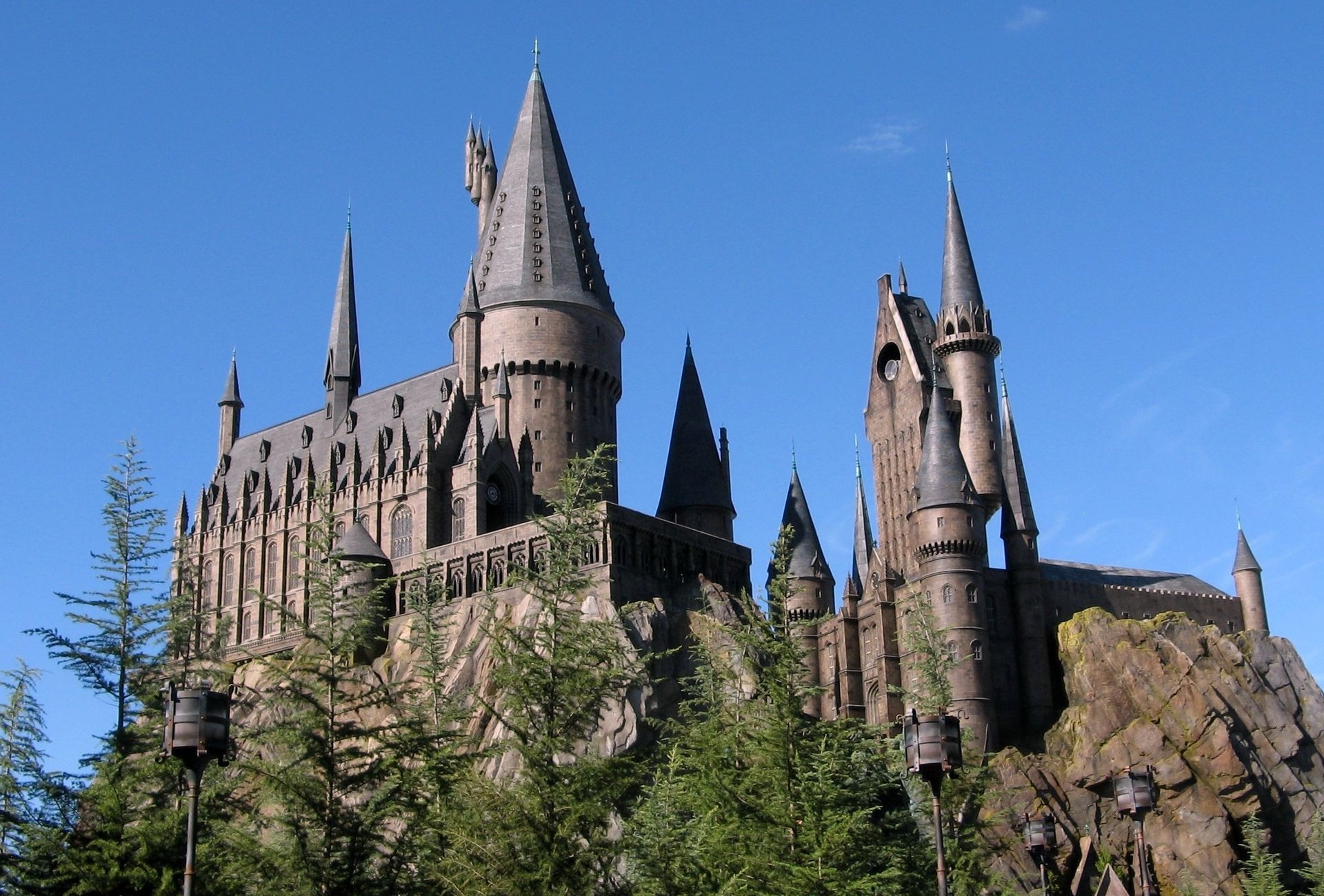
While not every detail could reasonably be taken from the increasingly long novels, the films stayed mostly true to the books. The characters matched most readers’ imaginations, and Hogwarts’ architecture captured the brilliance and elegance we saw through Harry’s eyes.
In a book-based fandom, you will be hard pressed to find a fan that admits the movies were better — but the majority of “Potter” fans think the movies were done exceptionally well.
There’s a familiar phrase that goes, “Lightning doesn’t strike twice.” By attempting to reinvent the wheel, producers are taking an incredible dangerous gamble.
Should the series fail to live up to the magic of the original, said failure will threaten to overshadow the massive success of the original films.
A majority of “Harry Potter” fans will refuse to accept anything except what they have grown accustomed to. The directors are placing this new slew of actors in an incredibly difficult spot.
The Black actors cast to play Hermione Granger and Severus Snape have already been subject to extreme racism from fanatics attached to the original portrayals. But they aren’t — and won’t be — the only actors being constantly compared to their original counterparts.
When Dominic McLaughlin, for example, is asked to fill Daniel Radcliffe’s incredibly large shoes, will he rise to task — or will fans lose interest entirely long before he’s even given the chance?
Then comes the timing of the series release. As culture and politics become more intertwined than ever before, it’s especially vital to recall that “Harry Potter” has always been inherently political.
(See: The entire plot of prejudice against muggleborns — Voldemort’s main campaign strategy, in a way — which is an obvious metaphor for systemic racism.)
The political conversation surrounding the series only increased when author J.K. Rowling decided to use her prowess and wealth as a weapon against the transgender community.
Seeing as J.K. Rowling has made it clear that the residual wealth she continues to accumulate from “Potter” and its entities — and will now accumulate from this series — will go directly toward funding anti-trans legislation, a discussion of the series and its implications go hand in hand.
It seems rather obvious that a driving force in Rowling’s desire to remake the series is to raise a new generation of actors to wield. She’s made her disdain for Daniel Radcliffe, Emma Watson and Rupert Grint quite clear after they each spoke up against her political views.
Here are three brand-new, starry-eyed young actors cast in the roles of a lifetime. Even if they grow to foster any animosity toward Rowling for her views, they’ll surely be silenced the same way people attempted to silence Radcliffe, Watson and Grint.
People will say they owe all of their success to Rowling, and particularly while in the midst of a ten year contract spanning seven seasons, they will be at a crossroads: Do they stand up for what’s right while potentially destroying their career in the process?
The claim that the series will expand on what the films failed to cover is pure nonsense. The films did their job, and they did it well.
“Harry Potter” retains its magic through nostalgia and what it means to each individual fan. It laid the groundwork for new art forms to flourish, for new hands to pick up books that might not have otherwise.
The series has been redefined by fans for the past decade since filming ceased, and they hardly need Rowling nor producers to do it for them. It’s time to let it stand on its own two feet, because forcibly pushing “Harry Potter” forward will more than likely send the franchise crashing down.