


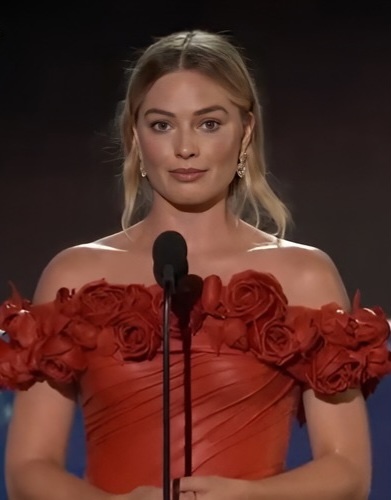
“Wuthering Height,” a tragic love story novel that has long been considered a staple in high school English classrooms, has been transformed into a new film drenched in torrential rain and raw passion, evoking intensity, heartbreak and controversy.
Director Emerald Fennel brings the novel to the screen in the highly anticipated 2026 adaption of “Wuthering Heights,” starring Margot Robbie as Catherine and Jacob Elordi as Heathcliff. Fennel transforms the novel into a visually striking cinematic experience.
The novel “Wuthering Heights,” published in 1847 under a pseudonym by Emily Brontë, was initially criticized as dark, immoral and violent, a sharp deviation from the refined and moralistic tone of Victorian-era literature.
The story begins when Mr. Earnshaw brings home a young orphan boy, whom his daughter Catherine names Healthcliff. What follows is a childhood bond that evolves into a complicated and destructive love story shaped by obsession, class division and revenge.
The intensity of Catherine and Heathcliff’s connection ultimately leads to suffering not only for themselves but for everyone around them.
What stands out most in the film is not the star power but the meticulous set and costume design. Filmed primarily in the Yorkshire Dales of Northern England, the sweeping moorland landscapes capture the bleak and isolating Gothic atmosphere central to the story.
Costume designer Jacqueline Duran, known for her work on “Barbie” and “Little Women” films, skillfully uses clothing to signal shifts in time period and social class. From ragged garments that reflect poverty to refined fabrics and jewelry that represent wealth and status, the costumes visually communicate the rigid class hierarchy that drives much of the conflict.
Despite its visual achievements, the film has faced much criticism. Much like the novel’s early reception, the adaptation’s portrayal of toxic, destructive and obsessive passion intertwined with themes of revenge and cruelty, have sparked debate.
While visually stunning, the film’s heightened sensuality at times overshadows the novel’s emotional and psychological depth. Critics argue that key plot lines and characters are omitted, resulting in surface-level storytelling that modernizes Brontë’s work in ways that feel overly stylized and superficial.
“There’s a particular scene where Heathcliff is incredibly toxic toward Edgar’s sister, Isabella (Alison Oliver), and while I won’t spoil it, it’s a moment that shouldn’t have been romanticized at all,” said critic Tom’s Guide. “‘Wuthering Heights’ is a visual feast for the eyes, but once that glossiness fades, the rot starts to show.”
In response to the backlash, Fennel stated, “I can’t say I’m making ‘Wuthering Heights.’ It’s not possible. What I can say is I’m making a version of it.”
Despite criticism, the film succeeds in capturing one of the novel’s essential themes, what happens when social class interferes with love and passion, allowing revenge and resentment to fester.
Ultimately, the film presents a modern interpretation of Brontë’s Victorian tragedy, one that resonates with contemporary audiences drawn to stories of dark romance and emotional vulnerability.
While it may not replicate the novel’s full depth, it offers a 21st-century lens that highlights how themes of class, obsession, and revenge remain deeply relevant today.
Rating: 4/5