College basketball has a problem.
When it comes to rules and regulations towards eligibility in college basketball, there aren’t real guidelines as to who is or isn’t allowed to play. What was originally a rare exception is quickly becoming a growing trend as an increasing number of “professional” basketball players are attempting to return to college.
Currently, the NCAA eligibility rules require student-athletes to have graduated from high school or a comparable education, never to have signed an NBA or two-way contract, and to compete within a five-year window of their high school graduation. Under these guidelines, any player who has entered the NBA is generally considered ineligible for college competition.
Historically, college basketball has been the point of connection for young athletes looking to transition and develop their games to the professional level. But, athletes who have already competed professionally in basketball are disrupting this system.
This season alone, there have been five “student-athletes” who were granted eligibility despite having previous experience playing professional basketball.
London Johnson from Louisville was granted two years of eligibility, while Abdullah Ahmed from BYU was granted three years — both having experience playing in the G-League. The G-League are the “minor” leagues for the NBA.
James Nnaji from Baylor University was granted four years of eligibility after being drafted 31st overall in the 2023 NBA draft and playing five years overseas in Spain and Turkey.
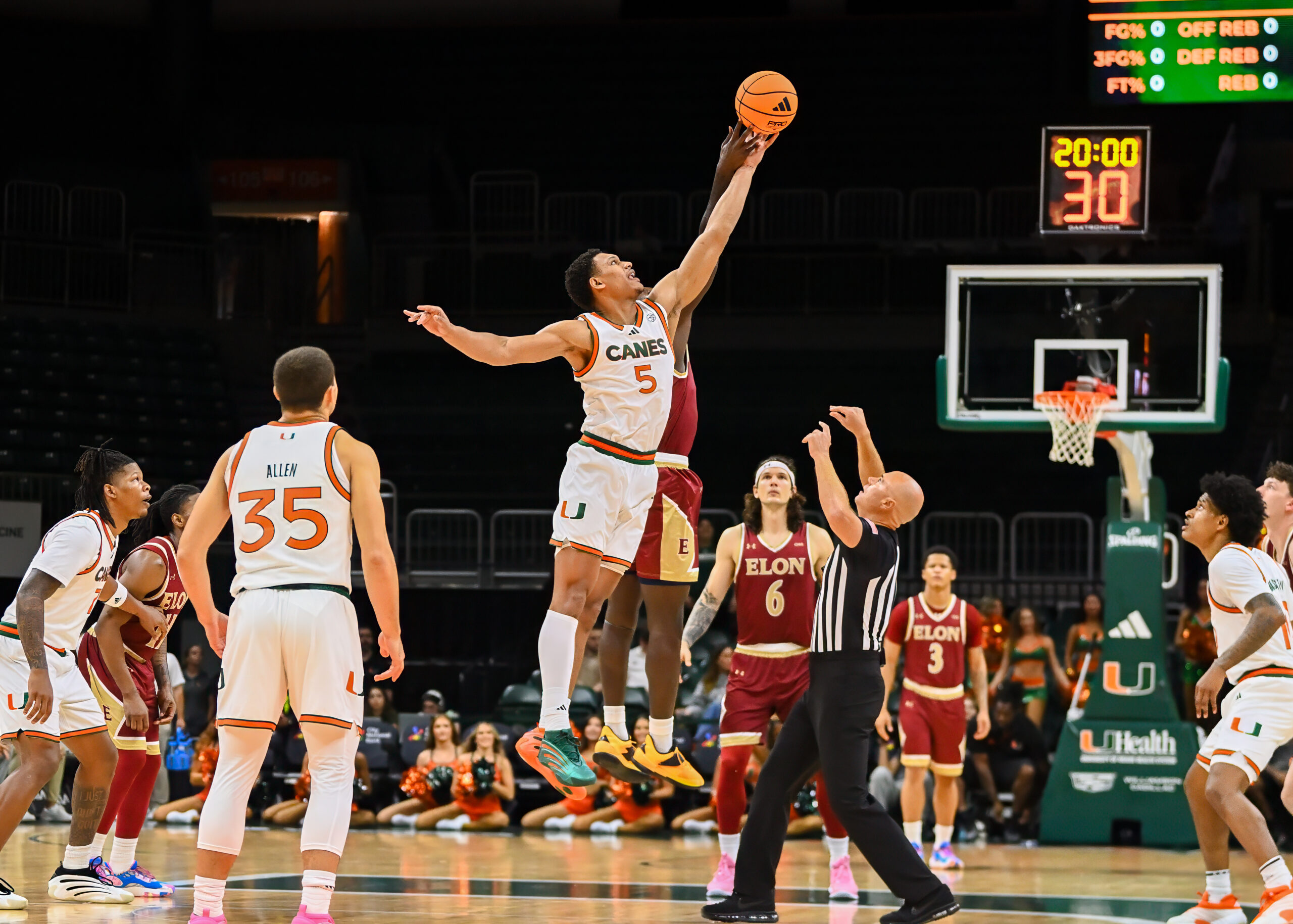
Charles Bediako played two years in college for Alabama, signed a two-way NBA contract, played in the G-League, and now has returned to Alabama. Despite having a court date to determine whether he will be allowed to finish the year, Bediako is currently playing for the Crimson Tide — something that should not be allowed as he waits for a ruling.
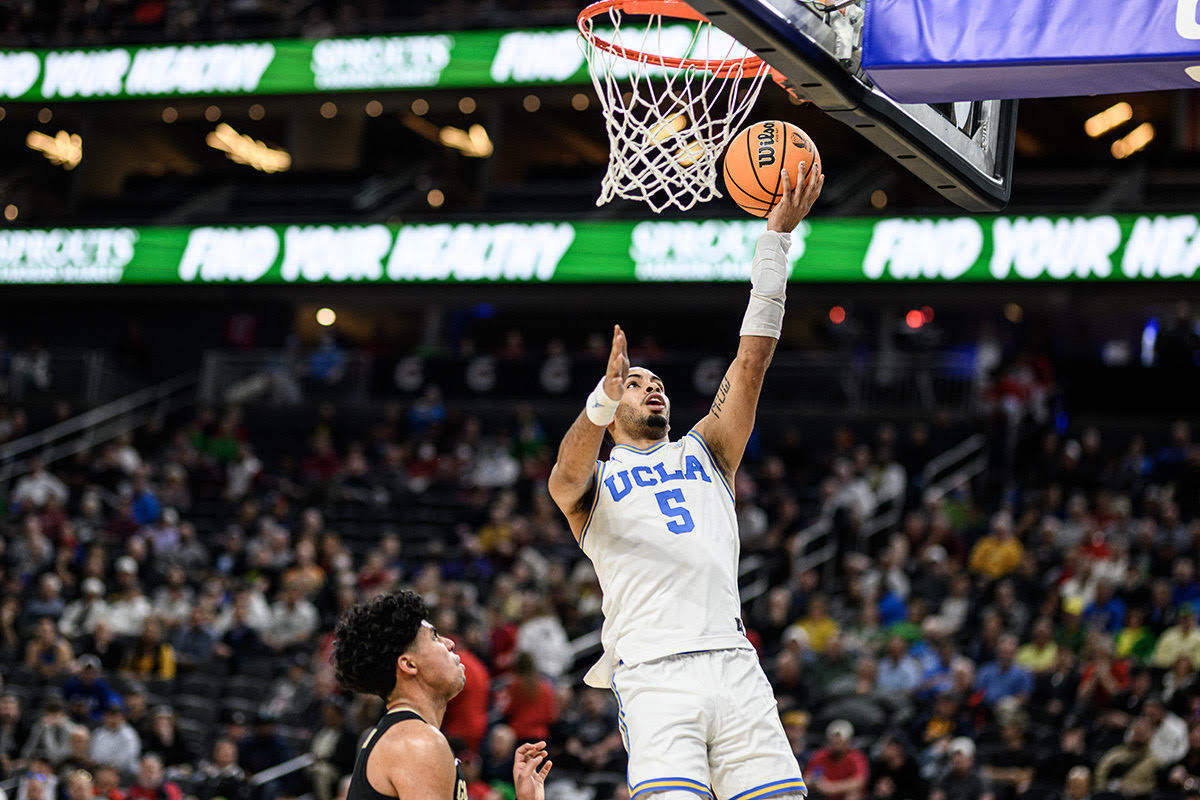
Amari Bailey played one year in college for UCLA, was drafted by the Charlotte Hornets, played 10 games for them, and now he is currently trying to make a return to the Bruins. This decision specifically will have huge ramifications on college basketball.
All of these eligibility decisions are heavily impacting the face of college basketball. Every roster spot matters, and the more former professional players going to college means less opportunities for young aspiring student-athletes looking to develop their skills.
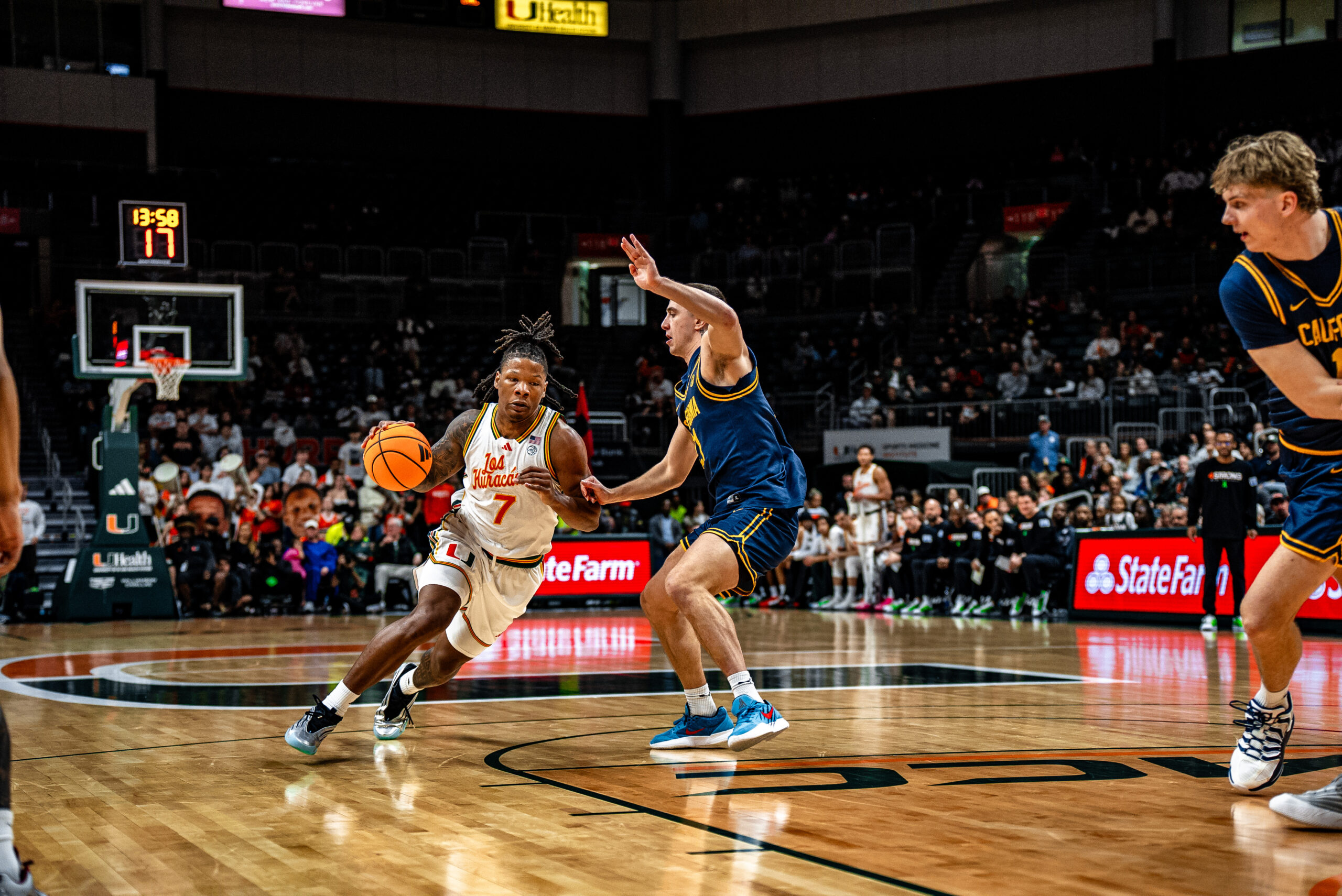
All of the players “returning back to college” are 21 years or older which is not right. The NCAA needs to make more fair rulings on eligibility.
This shift in the priority of recruiting has already been happening in college basketball, driven by the transfer portal and has been reflected by who coaches are deciding to recruit.
“We went away from high school basketball players, although we have taken one or two to develop, but by and large we’ve gone after older players,” said St. John’s coach Rick Pitino in an interview with sports personality Colin Cowherd.
While the first two listed athletes are either international or never signed an NBA contract, the other three are in a completely different situation. Nnaji was drafted just one pick outside the first round, Bediako played in college and left to pursue a professional career, and Bailey played professionally in the NBA after leaving college. These cases show how unclear the eligibility standards are, and how they are being stretched past their original intent.
Looking beyond individual cases, this trend will threaten the competitive balance of college basketball as a whole. The top power conference teams will use this to separate themselves from lower-level teams, as smaller schools will have less of a chance at recruiting these more experienced players.
Without any changes, this loophole will continue to grow, eventually forcing the NCAA to draw a line to preserve the opportunity for young players.
Rather than recruiting and developing high school players, coaches will focus more on these former professional players who already have higher levels of experience, pushing college basketball to become closer to a secondary league to the NBA rather than a place for young athletes to develop their craft.
While players should have the freedom to explore professional opportunities overseas or in the G-League, returning to college afterwards cannot become the standard, as it undermines the point of college athletics.