


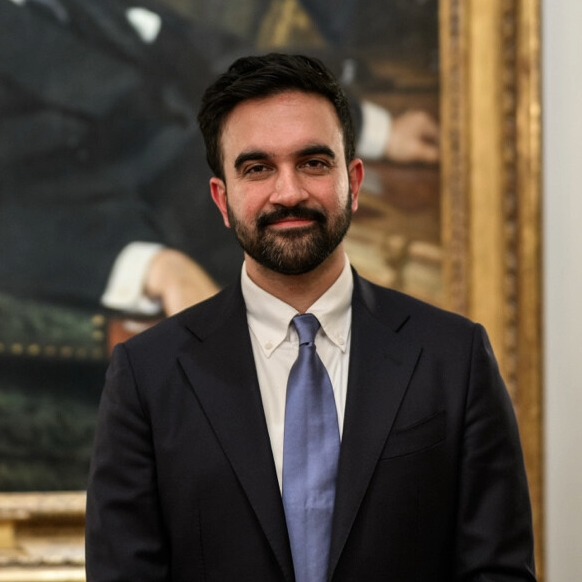
A few months ago, no one would have predicted that 34-year-old Zohran Mamdani would rise from ninth in initial polling to win the mayorship in New York City. Yet, NYC Mayor-Elect Mamdani has defied all expectations in his swift rise to the top to defeat former New York Governor Andrew Cuomo and Republican candidate Curtis Sliwa.
One question remains: What next? The American left can take away multiple things from Mamdani’s campaign: progressive grassroots movements are a viable tactic in American politics, and remain viable against significant lobbying and powerful political dynasties, regardless of identity.
Mamdani was the correct choice for mayor against a candidate like Cuomo who has sexual harassment allegations, and will bring a refreshing brand of politics that will genuinely attempt to meet the needs of New Yorkers concerning affordability and living conditions. Mamdani’s win has the chance to bring more electoral victories to progressives across the country.
Key Takeaways
Money doesn’t win elections. A single independent expenditure committee, Fix the City, Inc., spent almost $28 million to support Cuomo. FTCI accounted for 55% of all independent expenditures in the mayoral race. That’s more than Mamdani’s total campaign spending and his supporting independent expenditures combined.
Yet, Mamdani beat Cuomo by nearly 181,056 votes. Mamdani said in an interview with MSNBC, “[Billionaires] are spending more money than I would even tax them.”
Money isn’t the only challenge to grassroots movements; powerful elites are another. However, Mamdani’s win shows that powerful politicians aren’t impossible to beat.
Political dynasties are a strong group in American politics. The Kennedies, the Clintons and the Bushes are just some examples of some powerful political dynasties, handing their power down to each generation. Cuomo himself was part of a dynasty, being the son of former Governor of New York Mario Cuomo, a powerful figure in New York politics.
At times it feels that those same powerful politicians, like the Cuomos or current long-time figures like Nancy Pelosi might never be replaced unless they retire. However, Mamdani just proved that thinking wrong. Real change can happen, if you play your cards right to prove to voters that you are the better choice.
Among other things, Mamdani faced opposition based on his identity. His victory shows that identity doesn’t matter to people if you focus on their material needs, which is why Mamdani, who constantly spoke out about affordability in NYC, was the best mayoral choice. Mamdani is New York City’s first Muslim and Indian-American mayor, as well as the youngest since 1892. Mamdani is also an immigrant, becoming a naturalized citizen in 2018.
Throughout the race, Mamdani faced Islamaphobic rhetoric from the opposition, mirroring anti-Catholic and anti-Jewish rhetoric from the 20th century. These examples include figures like John F. Kennedy, who faced anti-Catholic rhetoric throughout his presidential race to become the first Catholic president. Similarly, Mamdani pushed aside Islamophobic rhetoric with emotional speeches and a steadfast focus on campaigning on New Yorker’s concerns like affordability to win the race.
Normal, everyday people will not care about identity if you campaign on addressing their concerns. A person working two jobs to put food on the table and pay rent on time doesn’t have time to scroll on social media to see what others are saying about each candidate. . What matters is the policy the candidates are proposing and if they deliver a better living condition for constituents.
On the campaign trail, Mamdani was often seen on the street talking to as many people as he could to find out the best way to help out NYC. The Democratic party especially needs to keep this in mind after seeing the Hispanic vote for Donald Trump increase and the Black vote for Kamala Harris decrease in the 2024 election.
What the future holds: 2026 Midterms
What Democratic candidates across the country focus on in their campaigns next year will depend on how well Mamdani handles the transition and his first few months as mayor. Candidates have always been cautious about campaigning on positions that are deemed too far to the left, though in reality, they are mostly center-left positions that are common and accepted in political cultures like Europe and Latin America.
If Mamdani does relatively well, the 2026 midterm elections could very well see an influx of politically left candidates with popular support, at least in the primaries. The main factor that determines these candidates’ success, however, depends on the public view of Mamdani’s administration by non-New Yorkers.
Any candidate running for office cannot forget the importance of adapting their message and campaign to the geographic location. The issues which affect New Yorkers might not affect Miamians in the same way, and candidates looking to succeed outside New York must focus on communicating with the community to figure out what are the pressing issues it faces.
There are candidates who are already attempting these strategies while adapting them to their respective constituencies. Graham Platner, a progressive underdog for the governorship of Maine, is fighting against his past controversies to show he has changed as a person and wants to work to meet the needs of Mainers.
In Michigan, progressive activist Abdul El-Sayed is also fighting against Islamophobia in the Senate race. His focus on progressive solutions to people’s issues mirrors Mamdani’s campaign and the struggles against racism in a state with an influential Muslim population.
Mamdani’s electoral victory in NYC sends several political signals: Money alone can’t win elections, political dynasties are not invulnerable and policy will always take precedence over identity. If his policy begins showing signs of success or progress before the 2026 elections, it will allow other progressive candidates across the country to use his success as a catapult for their own campaigns. However, any other progressive candidate must be creative in adapting progressive messages and campaign strategies to their constituencies.