


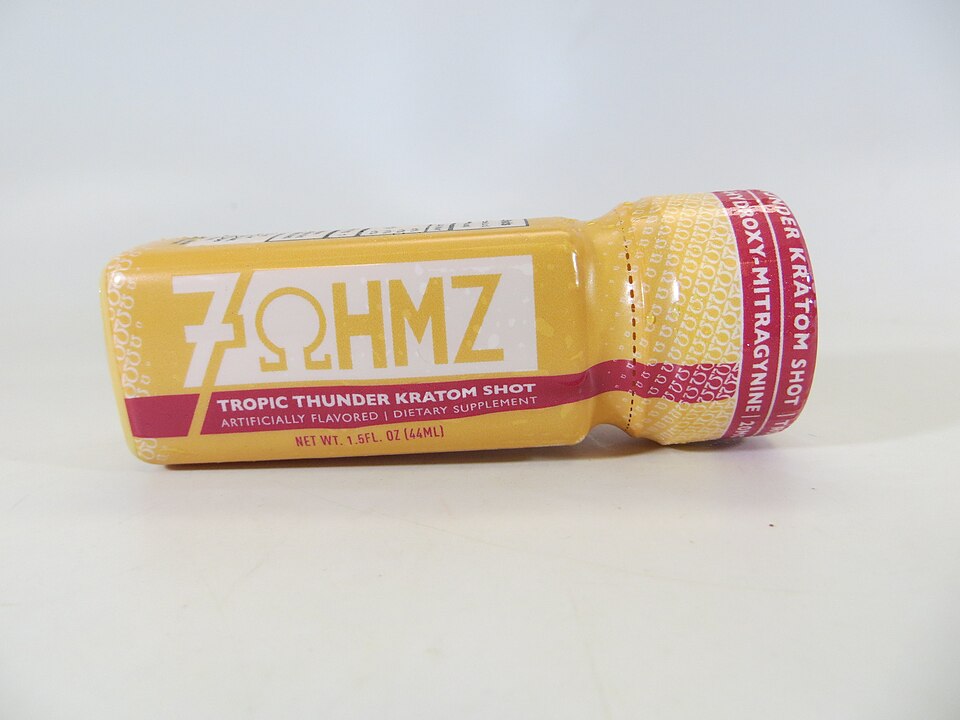
A dangerous threat is hiding across convenience store shelves all over the United States and lawmakers are all too oblivious to it. Nestled between the energy drinks and candy bars are tiny tablets called kratom.
Kratom is an herb native to Southeast Asia that has effects similar to stimulants and opioids. It is available at many convenience stores without age restrictions, dosage warnings or even safety testing.
Unregulated kratom due to legislative inaction poses a severe risk of addiction, organ damage and even death if combined with other substances. College students need to be aware of the dangers that come with taking this drug.
In theory, kratom is a safe and natural alternative to prescription drugs. It’s advertised as an all-natural supplement for anxiety and fatigue, promising quick relief without the stigma of traditional prescription drugs.
Addressing this misconception, Natalie Ngo, President of URecovery, emphasizes the hidden dangers for college students.
“While kratom is commonly marketed as a study aid and a natural alternative to caffeine, its risks fundamentally differ from those of traditional stimulants,” Ngo said. “Framing it as a benign focus supplement obscures critical hazards, which include physical dependence, withdrawal symptoms, and the unpredictable alkaloid potency of an unregulated botanical product.”
URecovery is an organization that is dedicated to providing a supportive, affirmative environment and culture of recovery for students overcoming substance abuse disorders and process addiction.
“With that being said, our priority as harm reductionists is not moral judgment, but rather informed autonomy: we students deserve clear, science-backed education on what we are consuming, as well as open access to campus support resources if substance use begins affecting our health or academics.”
Because kratom operates in a legal gray zone, products can also be contaminated or laced with fentanyl and other illicit drugs with deadly results.
At the University of Mississippi, health officials raised alarms following the deaths of two students from kratom-related injury.
Although authorities cannot confirm that kratom or any other substance contributed to the deaths, students can fall prey to an unregulated substance sold right down the street.
Because kratom is sold over the counter without a prescription or federal oversight, buyers have no way of knowing whether or not it’s actually safe. And with kratom, regular use can contribute to the development of an addiction in many cases.
Though regulation is a big issue, the drug’s mechanism is also a big concern. Although overlooked, kratom’s active compounds bind to the same opioid receptors in the brain as prescription painkillers and heroin. The risk of addiction — or worse — remains whether kratom is pure or contaminated.
As the University of Miami’s Sandler Center warns, “Kratom, like other opioids and stimulants, can lead to dependency, withdrawal, and overdose. Students concerned about themselves or others are encouraged to contact Student Health Service, the Counseling Center or the Sandler Center for guidance and assistance.”
Yet its presence on store shelves hides a far darker truth, trapping students and young adults who mistake a dangerous drug for a harmless energy booster.
Those trying to quit using kratom often face grueling withdrawal symptoms such as extreme anxiety, fatigue and nausea,with prolonged use leading to additional risks of liver toxicity and even death in some cases.
Many politicians like Homeland Security Secretary Markwayne Mullin and current Health Secretary Robert F. Kennedy, Jr. have downplayed the seriousness of kratom and its potential deadly side effects.
The lack of federal action has created confusion among different states that have different laws regarding kratom. While a handful of states have banned over-the-counter sales of kratom, the vast majority still have no laws or restrictions against the sale of kratom, leaving many consumers unprotected from its dangers.
This lack of legislature allows kratom companies to operate without any sort of oversight or standards that are meant to keep consumers safe and creates no accountability for the corporations making these drugs.
As long as kratom remains easily accessible, more unsuspecting consumers will be led down the road of addiction and substance abuse. We cannot afford to wait for more preventable tragedies for us to act.
It’s time to demand our elected officials do something to keep people safe from the dangers of kratom. Public health and human lives must be put forth over potential commercial profit.