


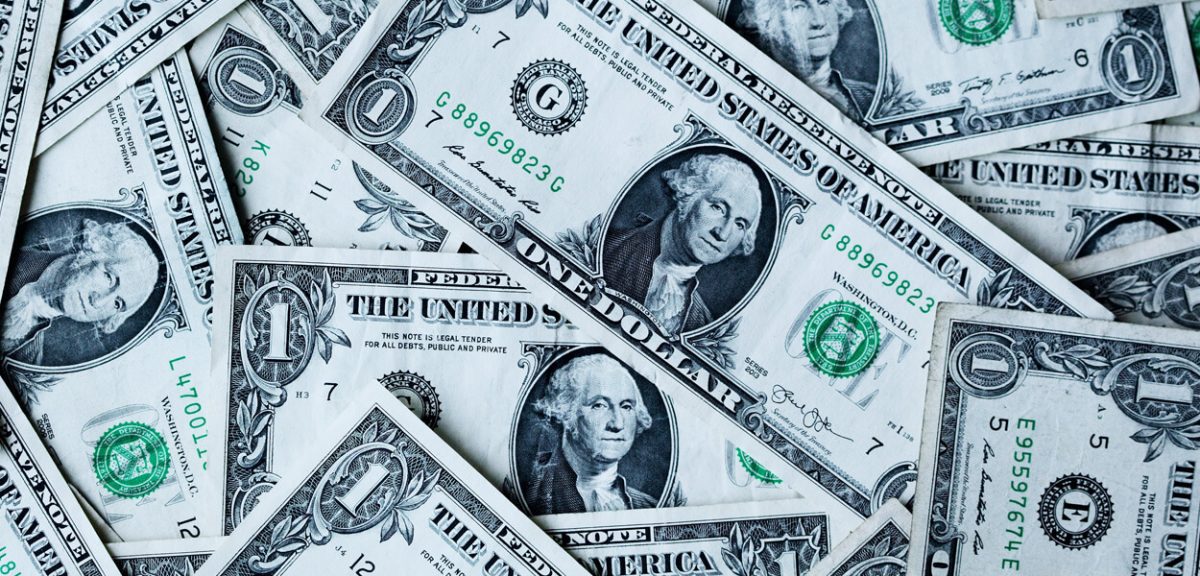
The U.S. Treasury Department announced on March 26, 2026 that Donald Trump’s signature will appear on paper currency beginning in June 2026 as a way to help our county celebrate its 250th birthday.
This act comes after a line of instances of Trump inserting his name on American cultural institutions — including the renaming of the Kennedy Center of Performing Arts venue, the U.S. Institute of Peace and the Palm Beach International Airport. More recently, Trump’s portrait was announced to be plastered on passports to commemorate the nation’s 250th anniversary.
Putting a sitting president’s signature on U.S. currency doesn’t change the dollar’s value, but it quietly changes the meaning of the currency from a national symbol to a presidential one. The insertion of his name on multiple institutions also appears as a systematic effort to re-brand the apparatus of the American state as an extension of one man’s identity.
Alongside Trump’s signature on the paper currency will appear Treasury Secretary Scott Bessent’s signature. While fully legal, this act ends a a 165-year-old tradition of U.S. paper currency carrying the signatures of the treasury secretary and the treasurer. Instead of Treasurer Brandon Beach’s signature appearing on our currency, President Trump’s will.
Historically, U.S. currency emphasizes institutions like the Federal Reserve, or late historical figures like George Washington. But with Trump’s move, he has injected a living political figure into a core state symbol. By replacing the signature of the treasurer — a bureaucratic and non-political figure — with his own, it blurs the line between “the country” and “the man.”
With one single signature, the US is watching something the Founding Fathers explicitly warned about. They called it Caesarism, when one man’s name, face and brand becomes synonymous with the nation itself. They built an entire architecture of government consisting of checks and balances, separation of powers and three co-equal branches so that no personality, no ambition, no single name could stamp itself onto the American republic.
According to the Associated Press, Washington himself refused to put his face on a coin, because he knew only kings did that. Yet, we have seen an ongoing effort to get Trump on a coin, something that is federally prohibited.
Now his name is going on every dollar bill in your wallet. That’s not a celebration of America, that is a claim of ownership over it. In the words of Rep. Shontel Brown, D-Ohio, the Treasury’s plan is “un-American.”
The most alarming part is that no law prevents a President from making this change. The only blocks in Trump’s path were norm and tradition, far more fragile than statutes. Now that he has broken the tradition, it will become easier to break the next norm, and the norm after that.
The concern should not be that one signature, or however many buildings are renamed, will end our democracy. It is what these actions signal how power is being understood in our country, and what comes next for we the people.