


As undergraduate students prepare to walk the stage and jump into the “real world,” it can be all too easy to get swept up in the festivities and wonder about the unknown. However, it is important that this year’s seniors take a moment to reflect on their last year on campus and how far they have come since move-in day.
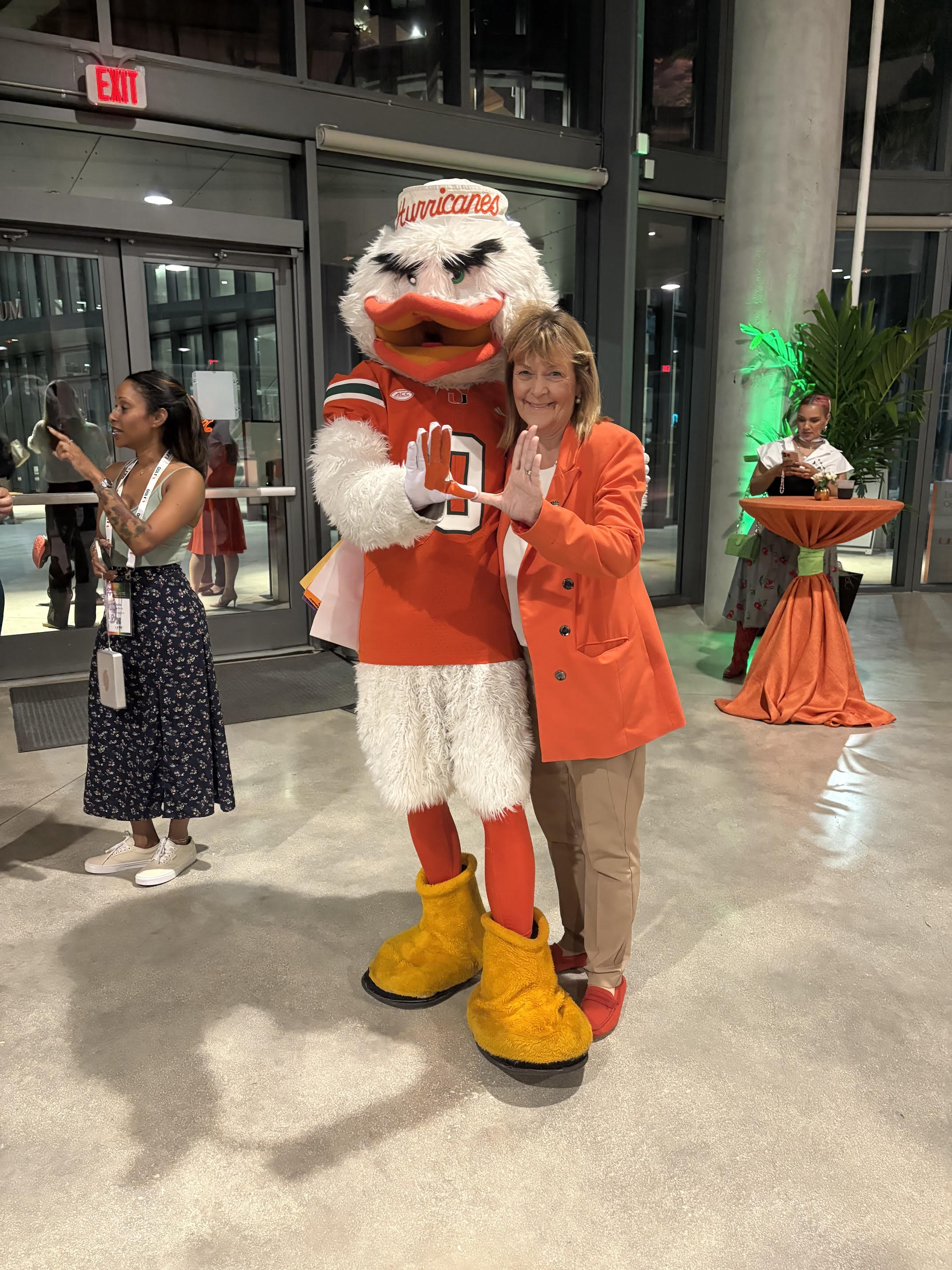
Dr. Pat Whitely, UM’s senior vice president for student affairs and alumni engagement, has been a key leader on UM’s campus since 1982. Reflecting on her own experiences at St. John’s University and the University of South Carolina before she took root at the University of Miami, Whitely understands the uncertainty that may await in the next chapter of life.
Pausing for a moment before rushing into the future is an important step, and Dr. Whitely offers some words of wisdom on how graduating students can learn from their experiences, mistakes and self-discoveries from their time at UM.
A note from Dr. Whitely:
As your time at the University of Miami comes to a close, it’s worth returning to where it all began — that first day on campus. Maybe you were trying to find your way past Lake Osceola, checking room numbers in unfamiliar buildings or stepping into the Shalala Student Center for the first time. Everything felt uncertain. And yet, without realizing it, that uncertainty was the beginning of everything.
Over time, the campus became second nature. The walk past Lake Osceola turned into routine. Long hours inside Richter Library became part of your rhythm. The people who once felt like strangers became your community. And what stands out now isn’t just what you learned — but how much you’ve changed: more confident, more resilient, more willing to take risks and grow from them.
This year, that growth unfolded alongside something larger. As members of the graduating class, you were part of celebrating the University of Miami Centennial — a milestone that honored a century of progress, resilience and impact. Through campus events, traditions and shared moments of reflection, you didn’t just witness history — you helped carry it forward. Your time here became part of a legacy stretching back 100 years, connecting your experiences to generations of Hurricanes before you.
Along the way, there were moments that reminded you what it means to belong. Not just in celebrations like Homecoming or game days, but in quieter, more meaningful ways — when someone checked in on you, or when you noticed a classmate struggling and chose to reach out.
That’s what Canes Care for Canes is really about. It’s not just a phrase — it’s a shared responsibility to look out for one another, especially when someone may be facing challenges and needs support. It’s about taking action, whether that means offering help, connecting someone to resources, or simply not ignoring when something feels off. It reflects a campus culture built on care, respect, and accountability among peers.
There are accomplishments to carry forward — academic successes, leadership roles and personal growth that no transcript can fully capture. And yes, there may be regrets too. But even those moments helped shape your path and clarify what matters most.
Before you graduate, take a walk — alone — across campus. Start somewhere familiar. Pass the places that defined your time here. Sit for a moment and reflect: How have you changed? What surprised you? What will you miss?
Because it’s in those reflections that the most meaningful memories surface — the late nights, the small wins, the friendships that made this place feel like home.
As you move forward, there will be pressure to define success quickly. Resist that. The most meaningful paths are shaped by authenticity, not comparison. And when things don’t go as planned, remember: Starting over isn’t failure — it’s clarity.
What will matter most is how you show up for others. The mindset behind Canes Care for Canes doesn’t end here — it goes with you. It’s now part of who you are.
So take that walk. Not just for closure, but for recognition. The person who arrived here is not the person leaving.
This isn’t an ending. It’s a continuation — grounded in growth, shaped by community and forever connected to The U — and to the century of stories you now help define.