


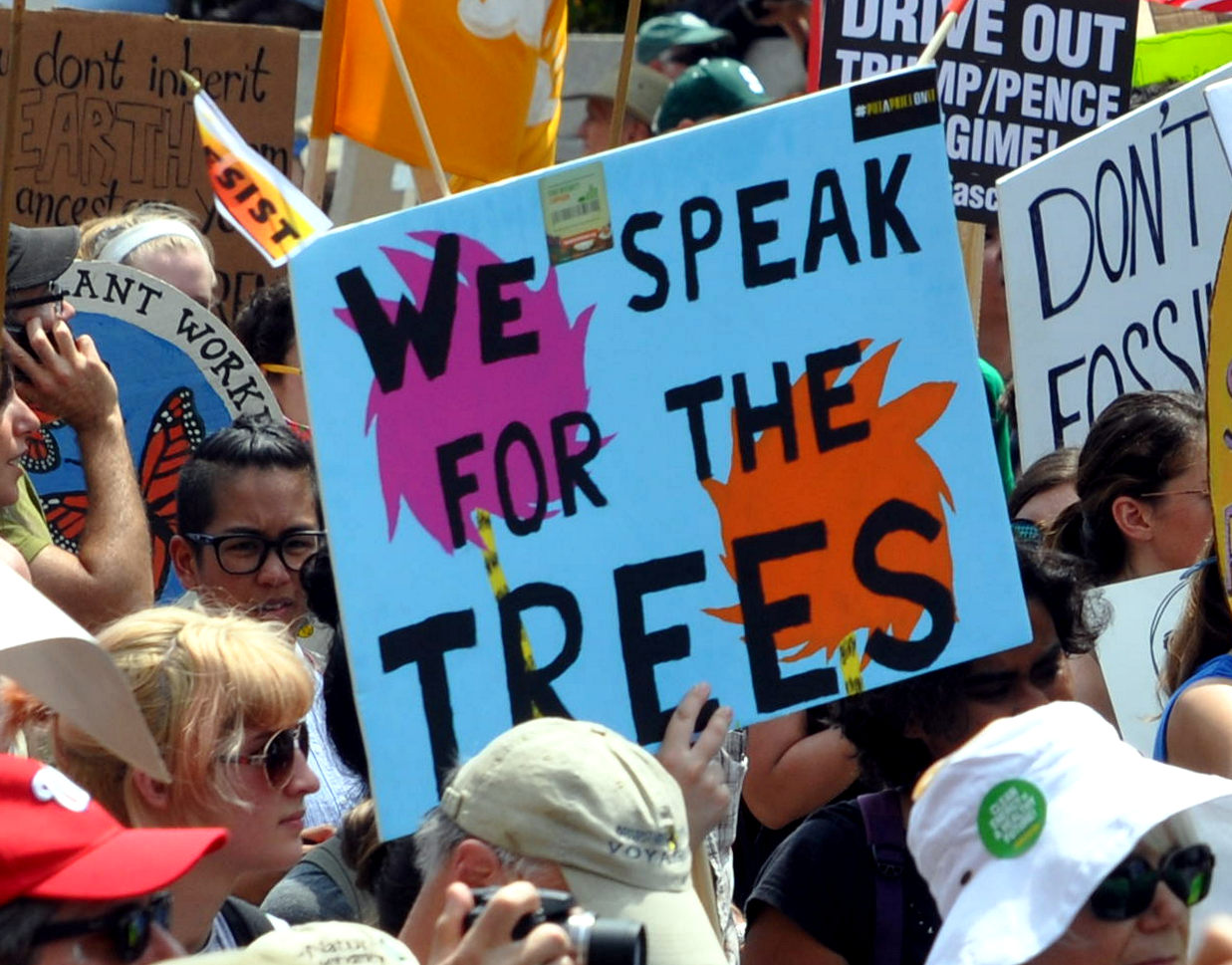
In the U.S., nature is only protected when humans have something to gain or lose. Rarely because nature itself is harmed. Nature itself has no voice or protection in a court of law.
The growing global movement for legal environmental status for nature is what this country needs. Nature should have the right not to be exploited. Nature deserves protection, not only when humans are being harmed.
The Rights of Nature is an idea rooted in ancient Indigenous and modern philosophy, holding that nature has its own legal rights without relying on property, human health or human business interests for protection under the law.
If the Rights of Nature framework were ever adopted in the U.S., lawmakers would first have to recognize an ecosystem as having legal rights. Once these rights are established, anyone can take legal action on behalf of an ecosystem that has been damaged or destroyed.
For example, a community member in the U.S. could file a lawsuit against a construction company for destroying a forest recognized as having legal rights. Even if the person doesn’t own the land, they can go to court arguing for the forest’s rights, but only if Rights of Nature were ever adopted.
The concept is not a utopian theory. Real legal systems around the world are protecting the Earth, but the U.S. is still falling behind them.
Various countries in Latin America have taken the initiative to recognize nature as a legal subject. In 2008, Ecuador led the shift by becoming the first country in the world to include the rights of nature in its Constitution. Bolivia used the “Rights of Mother Earth” framework in its national legislation focused on harmony with nature, and Panama followed.
In the U.S., pollution is urgent to people when it threatens drinking water, but not when river ecology is being destroyed. This anthropocentric approach has been used for decades and explains why Earth’s health continues to decline. The current system has failed nature, and so have we by staying silent. The root of change requires significant cooperation between lawmakers, courts, local communities and environmental advocates.
Indigenous traditions typically view nature with respect and responsibility, and aim to conserve it. Many communities in these countries have understood that humans belong to nature, not the other way around. The idea of Mother-Earth is one not of ownership but of belonging and interdependence.
A mother is not something to extract from endlessly. She is someone to respect, protect and remain accountable to. This perspective has driven the expansion of the Rights of Nature movement. It’s not solely political — it’s moral.
According to the Florida Museum of Natural History, Florida’s nature features more than 80 distinct ecosystems, including the Everglades wetlands, extensive mangrove forests, hundreds of crystal-clear freshwater springs and the ocean.
Orange County, Fla., residents recognized this, too. In 2020, 89% of voters approved the Right to Clean Water Initiative, recognizing legal rights for local rivers and streams. The following year, advocates filed the first nature-enforcement case in the United States under a rights-of-nature law. These were small wins that were very temporary.
Florida later restricted local governments from granting legal rights to natural environments unless they are recognized by state law or the state constitution. In a state with such diverse ecosystems, treating nature as unworthy of its own protection is disappointing.
Critics of the movement argue that ecosystems cannot literally speak or act for themselves. They fear uncertainty about representation and how courts will weigh violations of nature. Other concerns arise from the recognition of legal rights to nature and how that could expand litigation into excessive interpretation. The concerns raised are valid concerns, but they are not unique to the Rights of Nature movement.
The law already recognizes many entities that cannot speak for themselves. Corporations can hold rights, and representatives regularly act in court on behalf of children or incapacitated adults.
This issue is of utmost importance to every American. Whether it is the oceans they swim in, the mountains they climb or the forest trails they hike, human life depends on these ecosystems.
The anthropocentric approach has been used for decades and explains why Earth’s health continues to decline. The current system has failed nature, and by staying silent, we have too. The root of change requires significant cooperation.
As climate pressures intensify and environmental harm becomes harder to ignore, will nature ever have the right to protect itself from exploitation?