


When UM alum Beth Kenyon did not return home from her job at Coral Gables High School on Mar 5, 1984, her family knew something was wrong.
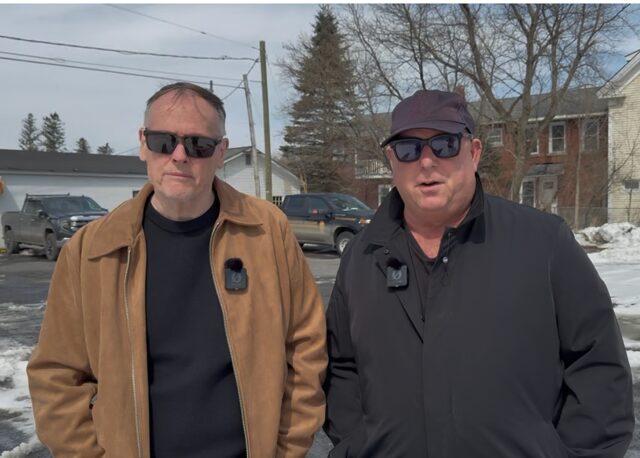
42 years later, her disappearance remains unsolved. But, Australian journalists Andrew Byrne and Mark Llewellyn might have the answer.
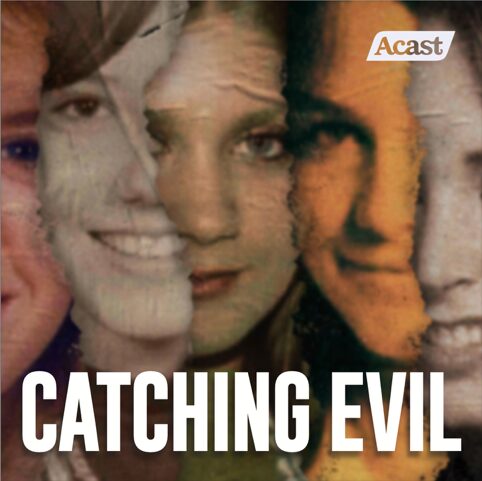
In their new podcast “Catching Evil,” Byrne and Llewellyn talk about their cross-country search that could tie Kenyon’s death to Christopher Wilder, a convicted serial killer. Wilder was charged with the murder of 14 women in Florida between 1979 and 1984.
Kenyon’s abductions fit Wilder’s signature: posing as a photographer to meet young aspiring models and then luring the victims into his car. The UM alum, a former fashion model and a finalist for Miss Florida, was no stranger to photoshoots.
“There are a lot of Jane Does — unknown victims of Wilder — still in America,” Llewellyn said in an interview with The Hurricane. “The number we are discovering could put him up there and may exceed Ted Bundy in terms of activity.”
The pair has identified him as the main suspect in more than 50 cold cases. The hunt has not stopped yet.
“It’s kind of bizarre because you have this guy who operated [without consequences] largely for 20 years on two continents,” Byrne said to The Hurricane.
Uncovering the extent of Wilder’s crimes has turned into an eight-year-long project.
It started in 2019 when Llewellyn was hired by Seven Network, an Australian network, to produce an episode of the true-crime series “Murder Uncovered,” a show that tried to solve cold cases.
The topic was the Wanda Beach murders, one of Australia’s most famous unsolved cases. Two 16-year-old girls had gone missing one afternoon and were found murdered between the dunes.
Coincidentally, Byrne had written about the case in his book, “The Pretty Girl Killer.” In it, he explained that those two girls were likely Wilder’s first victims.
Byrne’s fascination with Wilder began when Byrne discovered that he lived a block away from Wilder’s childhood home. He was shocked to find the “family-friendly” neighborhood was linked to such a dangerous person.
That neighborhood was the first stop in their visit. Since then, they have gone wherever the cases led. But, their investigation changed once DNA technology was developed in 1986.
Suddenly, the list of Wilder’s victims started to grow.
“That’s why the new cases are so important,” Byrne said. “They’ve been left in the back of filing cabinets and police stations and cold case units around Australia and America and completely forgotten.”
Recent evidence suggests that Wilder was operating in Florida and dumped the bodies in New York or Georgia. Byrne theorized that the long trip would have been easy for Wilder, who competed in hour-long car races.
Experts in forensic psychology and former police officers involved in these investigations have helped piece together what happened.
Family members of the victims have reached out as well, and Byrne and Llewellyn visited each one to get their stories.
The podcast is about much more than solving the cases. At its core, it is a service to those whose stories were forgotten.
“The philosophy of the podcast is to honor the women,” Llewellyn said.
Kenyon’s parents passed away without knowing what happened to their daughter. Byrne and Llewellyn want to give a voice to the family members who suffered a similar reality.
The victims’ mothers, most of all, found comfort in the podcast because it helped them understand what happened.
“They’ve gone to live good lives,” Byrne said. “Damaged lives, but they are still good people. And they’ve built a picture of their loved one that honours her.”
Anyone with information can contact info@catchingevil.com.