


The University of Miami is frequently described as “resort-looking.” Palm trees line walkways, Lake Osceola reflects the sun and landscaping crews maintain the polished appearance that defines campus. To the average student walking to class, the campus looks clean.
But beneath the surface, a different story is unfolding.
Lauren Novorska, a UM senior double majoring in ecosystem science and policy and anthropology, has spent the past year studying the soil beneath students’ feet. Her research has uncovered thousands of pieces of macro and microplastics embedded across multiple campus locations.
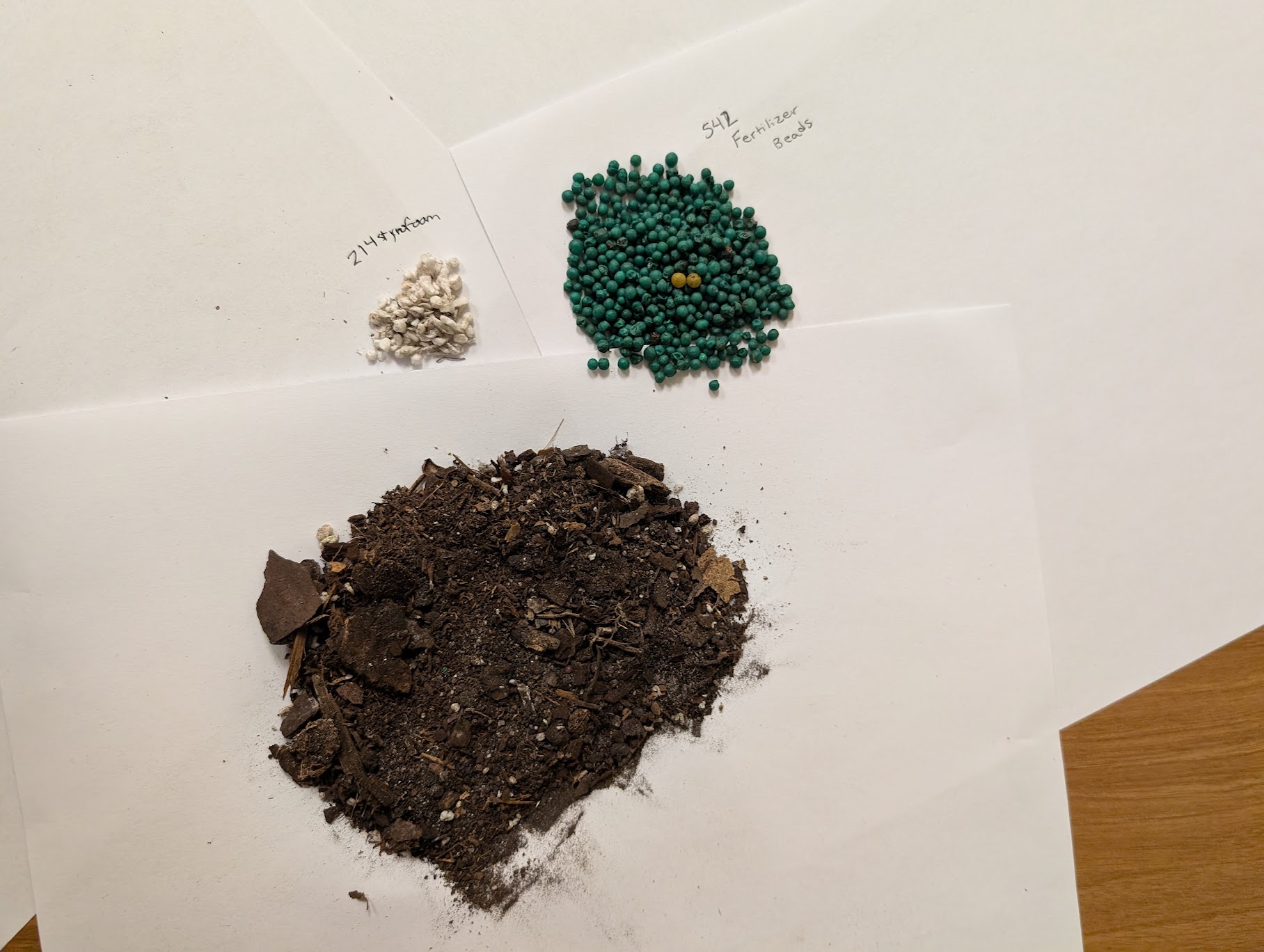
“I’ve been seeing things like fertilizer beads, Styrofoam, confetti, glitter, pieces of fabric — like dryer lint and clothing threads and strings — popping up again and again,” Novorska said. “So clearly, there’s an issue here.”
During the 2024 fall semester, Novorska was working on a class project when she read a paper about filtering plastic out of soil.
Because plastic is hydrophobic, it rises when mixed with oil. This allows researchers to isolate and count the macro and microplastics.
She did not expect much to result from this project, but tried it anyway.
“I honestly didn’t expect it to work,” Novorska said. “But when I tried it, I was astonished by the amount of plastic that came out of the soil.”
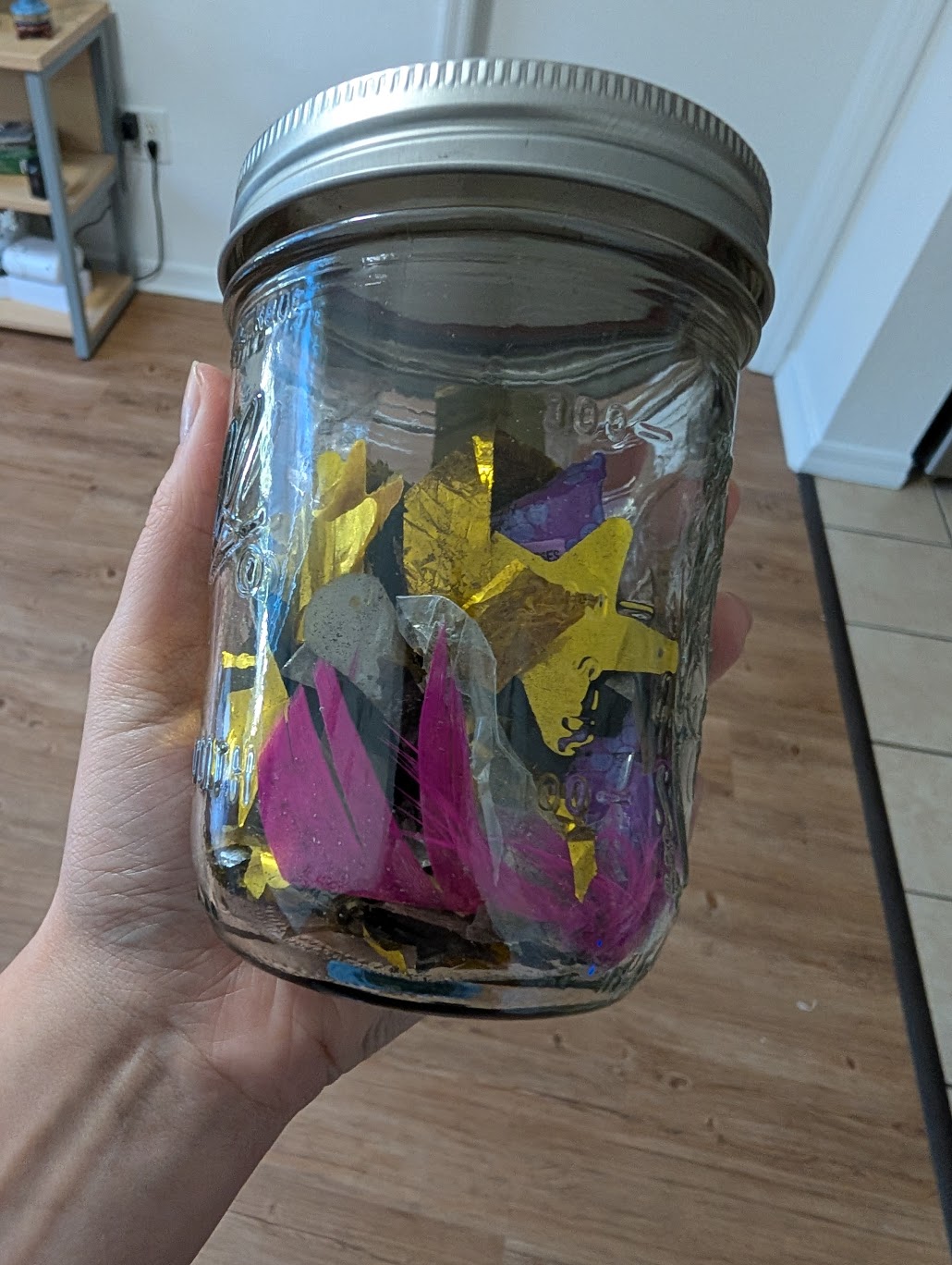
One test sample, collected near the Watsco Center on campus, contained 384 pieces of plastic in a single 16-ounce jar. The Watsco Center is used throughout the year by UM athletics, but it is also a venue for dozens of graduation ceremonies, including UM and other schools in the area. At these events, it is common for confetti cannons to be popped for photos, potentially leaving behind hundreds of pieces of plastic.
“That’s when I realized something was actually wrong,” she said. “I thought campus was very clean.”
The results turned a small class project into a full-scale undergraduate thesis. Over the next year, Novorska collected 30 soil samples from locations at UM and 30 more at St. Petersburg College in St. Petersburg, Fla.
Samples were collected from “hot spots” on campus. Locations included outside the food court, near residence halls and around campus landmarks. Every sample from UM contained plastic, with the lowest having two pieces. At St. Petersburg college 13 samples had no plastic.
“In one jar I found more than a thousand pieces,” she said. “Several others had 700 or 800.”
As her research expanded, Novorska began mapping her findings. She found that microplastics are not randomly distributed — that they accumulate in specific areas tied to student behavior.
Outside of the food court, she found a high concentration of wrappers likely carried by the wind. Near the U statue — a popular spot for graduation photo shoots — she found layers of confetti embedded in the soil.
“Over at the U statue, I did a sample a couple of weeks ago that had 396 pieces of plastic, and more than 100 pieces of confetti in it,” she said. “I kept digging and digging, and I never stopped seeing confetti as I was digging, which is very concerning.”
The findings revealed a disconnect between how clean campus appears versus what actually exists in the soil.
Visible litter, known as macroplastics — which are larger than 5mm, is relatively limited on campus Novorska said. The real issue is the microplastics — pieces smaller than 5mm.
“You can’t see them when you’re just walking by, but once you start looking for them, they’re everywhere,” she said, pointing out a piece of plastic just outside the window near Shalala.
Blending her anthropology background with environmental science, Novorska approached her research like an archaeological study — using plastic as a lens to understand human behavior.
“I’m looking at these 10 sites to see what the plastic in the soil itself tells us about the students on campus,” she said. “What does it tell us about our use of different goods and potentially even the production of plastics?”
One of the most common pollutants she identified was small green beads. Initially, neither Novorska nor campus experts could identify them.
Eventually, she traced them back to fertilizer — specifically polymer-coated fertilizer beads commonly used in potted plants brought onto campus.
A majority of the microplastics she found originated from these beads, rather than from campus landscaping practices. Other materials — including confetti, Styrofoam and synthetic fibers — reflected everyday student activities.
Her research also revealed geographic differences. While every UM sample contained some sort of plastic, a few samples from St. Petersburg College contained little to none. Novorska suspects the difference may be due to variations in maintenance practices, landscaping materials or campus culture.
At UM, visible litter is often quickly removed, but less noticeable microplastics are left behind.
“Our landscaping and maintenance staff do a great job of keeping campus looking clean, but you can’t clean up what you can’t see,” Novorska said.
Plastic doesn’t just stay where it lands. Rain washes debris from sidewalks into the soil, then into Lake Osceola and eventually into Biscayne Bay.
“This isn’t just a UM issue,” she said. “It’s a Miami issue, a Florida issue — and honestly, a global issue.”
Her findings also highlight plastic’s persistence. In one sample near Mahoney-Pearson Residential College, she discovered a candy wrapper from more than a decade ago still intact.
“It was sitting in the top layer of soil, and I could still read everything on it,” she said. “It makes you think — what will people find that we leave behind?”
For Novorska, the research has fundamentally changed how she views campus and cleanliness itself. Her work has also shifted her personal habits and sparked a broader mission: changing student behavior.
By combining research, education and policy change, Novorska hopes to help reduce plastic pollution on campus.
She is working with campus organizations to develop an educational campaign that frames microplastics in ways that resonate with different students, from public health concerns to environmental impacts and policy implications.
One initiative focuses on replacing plastic confetti with paper alternatives during graduation season.
“You’re celebrating your future while actively harming it,” she said. “And the pollution you leave behind won’t affect you — it will affect the students who come after you.”
Novorska plans to continue her work in graduate school, pursuing a masters degree in water science, policy and management.
While the scale of microplastic pollution can feel overwhelming, she remains optimistic.
“There is still hope,” she said. “There are actions we can take — as individuals and as a community — to reduce our reliance on plastic.”