


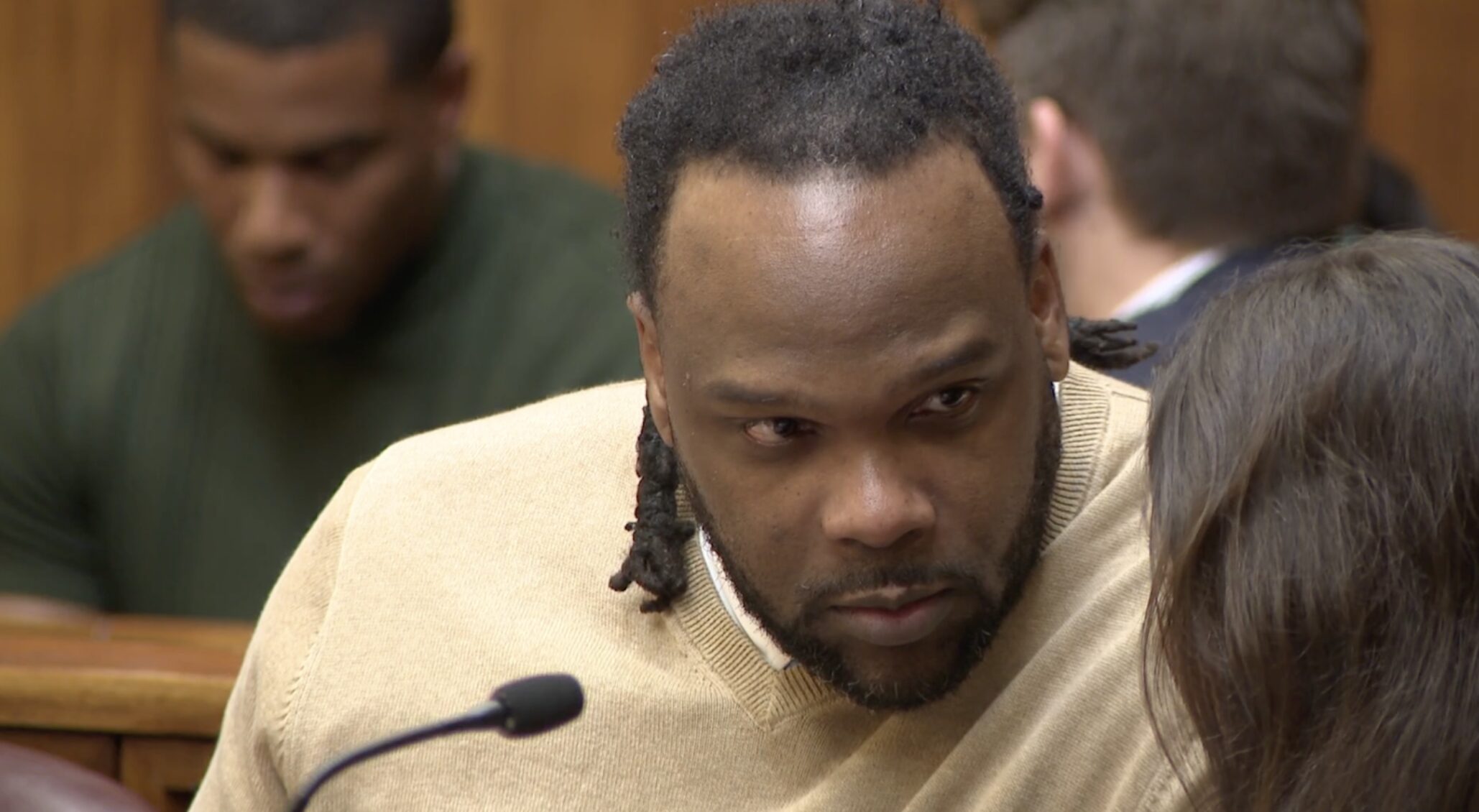
Jurors failed to reach a verdict in the case for 40-year-old Rashaun Jones in the murder trial of former UM football player Bryan Pata who was killed in 2006.
According to ESPN, only one juror voted to convict Jones while the rest of the jury believed he could not be found guilty beyond a reasonable doubt. After nearly six hours of deliberation on Thursday, Feb. 26, and additional time on Monday, March 2, Judge Cristina Miranda declared a mistrial which voids the proceedings and resets the case to its pre-trial status.
Early Monday morning, jurors told the judge they were deadlocked, meaning they were unable to reach a verdict. Miranda urged them to try again, but after an hour of further discussion, the jurors still could not reach a verdict.
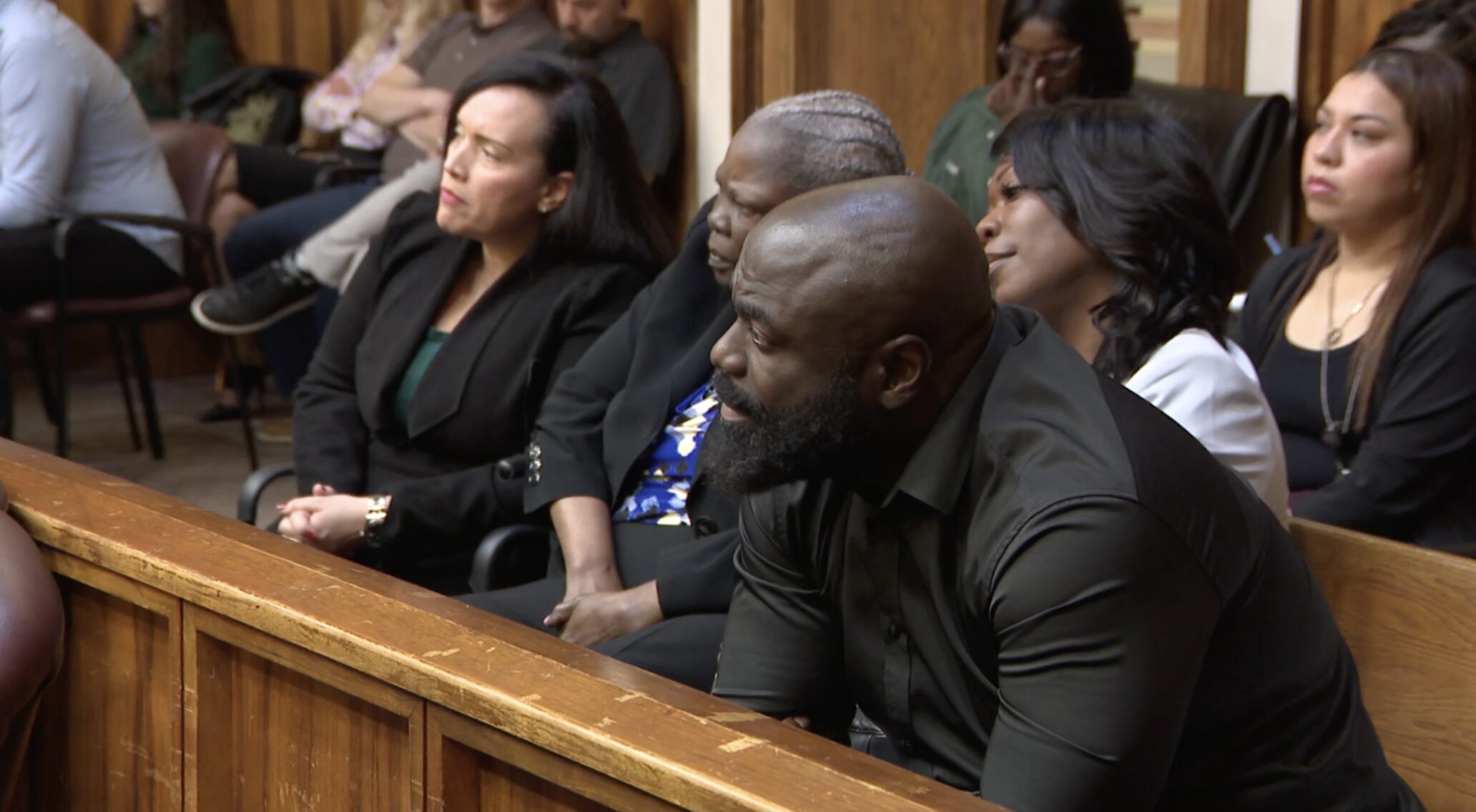
The Pata family continues to seek answers amidst a possible new trial.
“I’m disappointed. It’s frustrating, really for all of us,” said Pata’s brother, Edwin Pata, to WPLG 10. Edwin Pata was previously an assistant offensive lineman coach for UM. “…It’s just some kind of closure for us, but we’re going to remain steadfast and it’s clearer now who’s responsible for this.”
Jones faced a second-degree murder charge and is expected to be tried again. Under Florida law, prosecutors can try the case with a new jury, although the new trial must come within 90 days. According to The Miami Herald, Jones will possibly be tried again, and Miranda has scheduled a hearing for Tuesday morning.
Pata, 22 at the time, was shot outside of his Kendall apartment following football practice. He was found in a pool of blood next to his apartment in November of 2006.
No arrests were made until 15 years later when prosecutors arrested Jones on August 19, 2021.
ESPN had sued the Miami-Dade Police Department in 2020, requesting access to the unredacted case records in the investigation. According to ESPN, the department had said “publicly for years they had no prime suspect and no single person of interest.”
ESPN then published “Death at The U: Who killed Bryan Pata?” on Nov. 6, 2020, that included new information about the case, even naming Jones who had previously dated Pata’s girlfriend at the time, Jada Brody. Jones was arrested about nine months later.
“Brody dated a few football players before Pata, including one of his Miami teammates, Rashaun Jones, who’d found himself on the wrong end of two lopsided fights with Pata,” according to the article.
Jones maintained his innocence throughout the trial proceedings, declining a pre-trial plea deal of 15 years in prison with credit for time served.
Eyewitness Paul Conner, a former UM professor, appeared via recorded testimony after the state ruled he was no longer mentally capable of testifying in person.
Connor said he was “90% certain” he saw Jones leaving Pata’s residence after hearing a gunshot. He also picked Jones out of two six-image photo lineups, first in 2007 and again in 2020, the first time being seven months after Conner’s alleged encounter.
But, defense attorney Christian Maroni pointed out what he believed to be “shortcomings” in the credibility of Conner’s testimony, highlighting that it was dark when Conner passed the alleged killer, and that he had imperfect vision and “didn’t know whether he had his glasses at the time.”
The case was based heavily on circumstantial evidence presented by the prosecution, relying on inference and logic to connect facts opposed to direct evidence, such as a confession or eyewitness testimony.
This evidence included Jones’ previous interactions with Pata and phone records from the night of the murder. Prosecutors argued that jealousy drove Jones to kill Pata.
Jurors also heard testimony from a former UM department compliance officer, now-retired Miami-Dade Medical Examiner Emma Lew and several of Pata’s teammates including Dwayne Hendricks, Dave Howell and Eric Moner.
The jury was also asked to review the bullet retrieved from Pata’s body.
In its closing statements, the defense argued that the evidence presented was not strong enough to result in Jones’ conviction.
“There is no way the jury could find that Mr. Jones committed this crime beyond a reasonable doubt,” said defense attorney Sara Alvarez.
The defense expressed to the Judge that the state alongside the Miami-Dade Police Department failed to investigate several other leads, including information from ESPN’s investigation that highlights possible gang involvement.
The defense shed light on a recent interview they discovered on March 2 with an alleged gang member who provided information related to Pata’s death.
“…no officer sufficiently investigated this and no gang members have been interviewed,” said defense attorney Christian Maroni. “This is the first time a gang member has been interviewed in connection to this case…”
Maroni told the judge the member provided information about Pata calling him and allegedly asking for protection from other gang members.
The defense engaged in a deposition on March 2, during a short break with a federal agent providing information of the gang involvement, providing sworn out-of-court testimony.
“We just want to make the record clear that we were in no way insinuating that Bryan Pata was part of a gang…was a gang member,” the defense said.
According to ESPN, Judge Miranda did not allow evidence regarding the “other possible theories and Pata’s other possible interpersonal conflicts” to make it to trial, ruling to keep out any testimony from hearing from the ESPN 2020 lawsuit.
Alvarez said the defense will “certainly try” to introduce new evidence in a new trial where Miranda will preside.