



The current financial state of collegiate sports is being paid with a credit card that has reached its limit.
Recent financial reports from Florida State University peeled back the ugly truth on a sobering reality of college athletics with the school recording nearly half a billion dollars worth of athletics-related debt, according to Athletic Business.
These numbers should have fans across the nation concerned.
FSU’s athletic department reported that it is projected to have a $437 million deficit for the 2025 fiscal year. While this does include the cost of a renovated football stadium and athletic facilities, this deficit stems from off the field gambles.
FSU is considered a powerhouse program that has gone through litigation with the ACC to try and leave the conference, the very same conference the Canes play in, betting its future on a potentially larger media rights deal in the Big Ten or SEC. FSU likely hoped that those other conferences could allow them to operate a more efficient cost than their current nine-figure deficit.
As part of FSU’s settlement with the ACC in 2025, the conference made key concessions for the Seminoles — a viewership based revenue sharing model and for playoff earnings to solely go to the team which qualified.
At the time litigation began in December of 2023, this seemed like a smart avenue for FSU, with a football team that just went 13-0 and missed out on a CFP berth. However, in the years to follow the Seminoles have gone 2-10 and 5-7, unable to receive the benefits of their legal efforts.
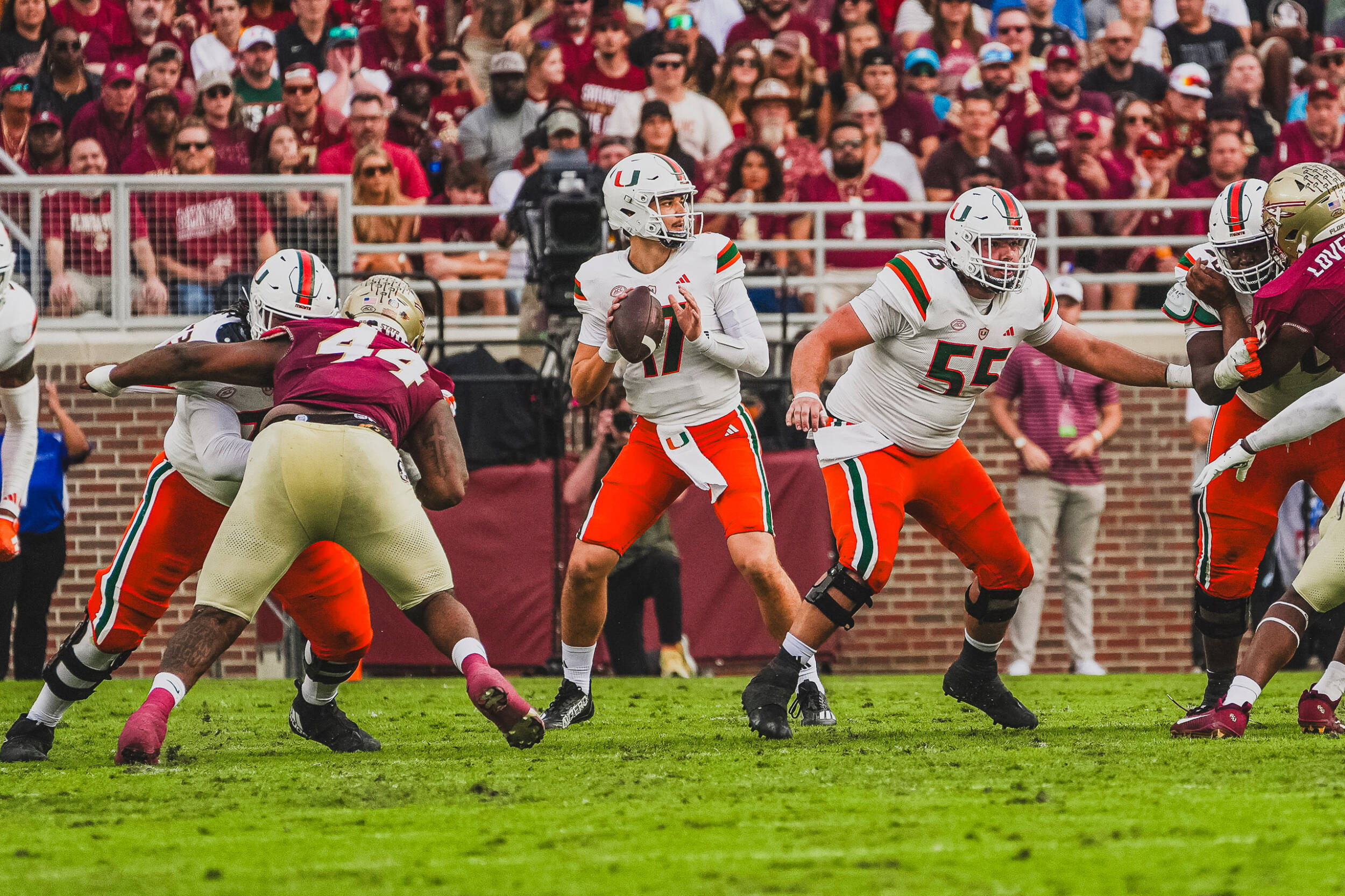
If FSU can’t balance its books in the same conference as Miami, what are the chances for Miami to survive in this environment?
While UM is a private institution and not required to disclose its full ledger, the Hurricanes operate in the same volatile ecosystem and the impact of this national “debt race” could hit home in some unexpected ways.
Last June, the House v. NCAA settlement gave Division I schools the power to give shares of the team revenue to their rosters. This has helped the Canes by being able to pay for immense talent like Cam Ward and Carson Beck out of the transfer portal and lucrative NIL deals while turning players into stars. But, not all that glitters glows.
The school cannot rely on taxpayer subsidies or public student fees like state schools do in order to pay these athletes without losing sight of its academic mission. This money must come from somewhere — likely through increased ticket prices, donor fatigue or deeper corporate partnerships.
The reports out of Tallahassee suggest that the first casualties of the deficit spending will be the sports that don’t take the coveted Saturday night slots.
In this scenario, departments like FSU could likely cut olympic sports such as track and field and rowing. Miami on the other hand, has a proud tradition of producing Olympians, but with the cost of football and basketball skyrocketing, perhaps the school could be forced to change the priorities of the athletic department to feed their biggest moneymakers.
The Hurricanes have always prided themselves on being “The U” against the world. But in the new landscape of collegiate athletics, the toughest opponent isn’t across the line of scrimmage — it’s on the balance sheet.