The final blow to traditional sports journalism as we know it came on Wednesday, Feb. 4.
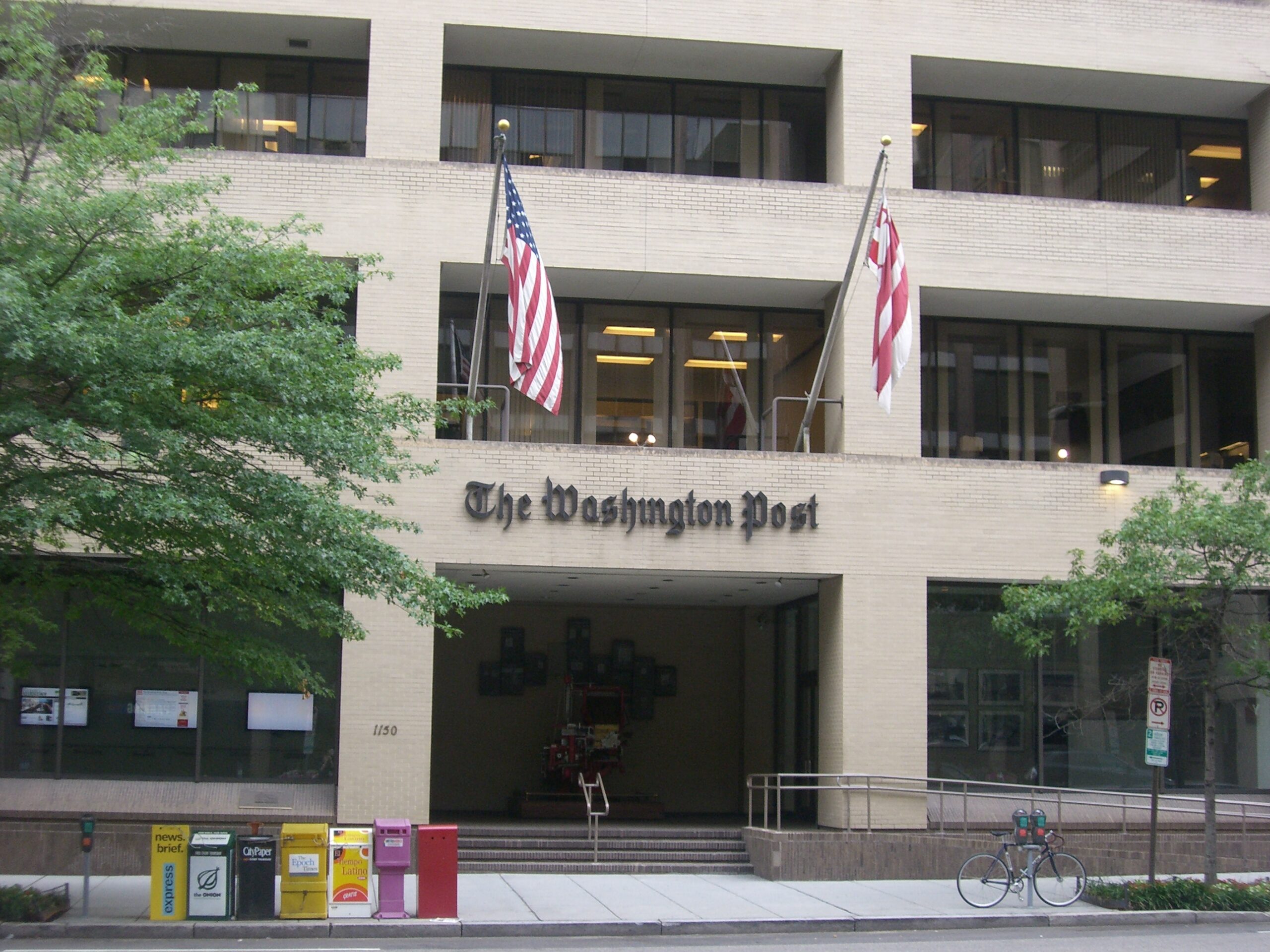
The Washington Post eliminated its sports department as part of sweeping layoffs that cut more than 300 jobs between sports and international reporting. For years, the Post was deemed the “gold standard” of sports journalism coverage.
Now, it’s gone.
“This ranks among the darkest days in the history of one of the world’s greatest news organizations,” former Washington Post executive editor Marty Baron said in a statement to The Athletic.
The loss of the Post’s sports section is the last nail in the coffin in an industry that has been slowly dying since the rise of social media.
Sports journalists used to be the medium between players and fans.
Any news about a team or player and the most popular sports opinions were found in the local paper. Relationships between players and writers were built over the course of the season, which allowed for some of the best storytelling to be curated under around-the-clock deadlines.
“You used to be able to walk into the locker room and talk to anyone,” said Steven Goff, a longtime reporter for the Post. “Traveling with a team like D.C. United, you’d be the only reporter there and build a strong rapport with players and coaches.”
Goff was a pioneer in American soccer coverage during his 40 years at the Post. He reported on 14 World Cups — eight men’s and six women’s — while also covering the U.S. men’s and women’s national teams and MLS’s D.C. United since the team’s inaugural season in 1996.
This player-journalist relationship gave rise to some of the best sportswriters in the business, with ESPN’s “Pardon the Interruption” hosts Michael Wilbon and Tony Kornheiser being key columnists to the Post in the 1980s.
But now, it has never been harder to do your job as a sports journalist.
“In the forest of sports journalism, the Post was a massive tree — and its fall will knock others down,” said Xander Tilock, senior writer and former sports editor of The Cavalier Daily.
“The days of a writer having a publication as security are gone,” he said.
Many newspapers, such as The Miami Herald, have also cut their travel budgets significantly, preventing some writers from covering their beat effectively.
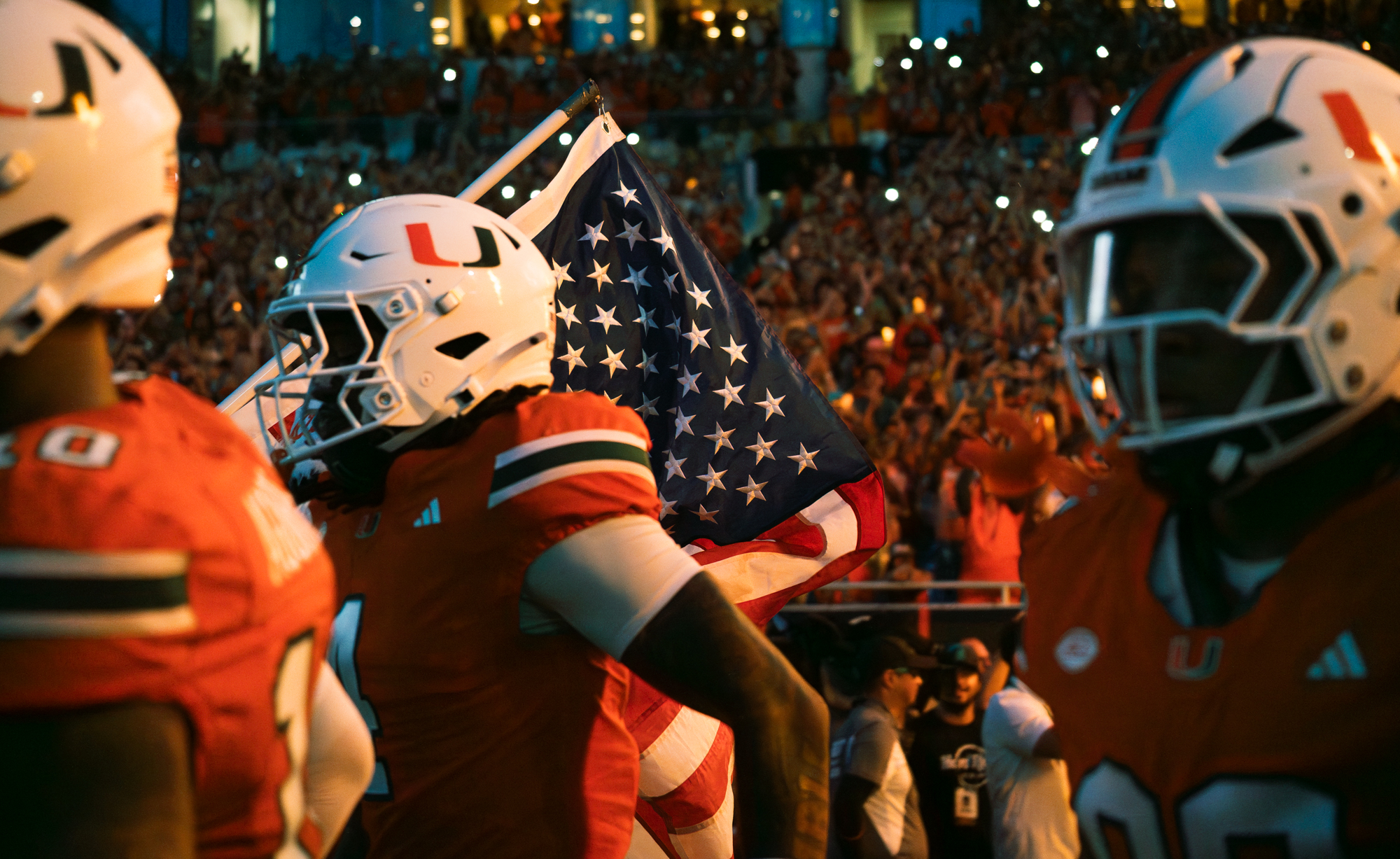
The budget cuts coincide with players and teams increasingly relying on their own platforms to control messaging and communicate without reporters. The result is a form of “state media” in sports, where access is restricted and the hardest questions often go unasked.
“Teams operate their own media now, which helps them generate revenue and control the message, but it also limits critical questions,” said Goff. “I’ve had PR people say I could talk to someone only if I adjusted the tone of my questions or sent them in advance. I’d say no, we don’t do that, and they’d say fine, then you don’t get access.”
Goff took a buyout over the summer from the Post and signed a contract with Yahoo Sports as a contributing writer in October. In his four decades of experience in the industry, he believes it’s the hardest it has ever been to be a journalist.
The Post was responsible for uncovering one of the biggest sports scandals in recent memory, something that may have never been unearthed had its sports section been depleted in 2020.
Post reporters Liz Clarke and Will Hobson spent years investigating Washington Commanders owner Dan Snyder for allowing a culture of sexual harassment among executives. The Post’s reporting led to NFL investigations, congressional hearings and the eventual forced sale of the team. Without the Post, Snyder may have still been running Washington D.C.’s football team.
And alongside the “owned media” model teams are employing, print journalists are experiencing another thorn in their side — content creators.
A notepad and press pass no longer define a sports journalist. In fact, anyone with a phone and a social media account can now “cosplay” as a journalist online.
From aggregation accounts to parody usernames and AI-generated material, the sports media space is flooded with content pieced together from rumor mills and alleged sources.
There’s often no journalistic integrity to these accounts, it’s simply a regurgitation of headlines constantly in an arms race to post first, no matter how inaccurate the report is.
Rather than consumers getting their news via specific journalists, final scores or recaps, interviews are now at the fingertips of billions across the world through social media.
“I just worry if all the news is coming from unvetted sources,” said Michelle Kaufman, a Miami Herald sports reporter and adjunct professor at the University of Miami.
A sports reporter for nearly 40 years, Kaufman has seen it all in the industry and watched the dynamic shift right before her eyes.
“People used to trust newspapers because we were representing an entity … it’s the wild, wild west now,” Kaufman said.
The humble print sports reporter is no longer a necessity, forcing some journalists to embark on a new path or get left behind.
“The people in the sports department really wanted to adapt and change, but we kept waiting for a plan and direction, and it never came,” said Goff. “There were some ideas that never took hold, so we were stuck doing what we always did. That appealed to some readers, but not enough”
Sports journalists who wish to enter the industry are being told to be a “personality,” something that was rebuked in the old version of reporting.
Previously,the model was centered around results and the players themselves, and journalists took a back seat to let the events speak for themselves.
“I went from writing for print to creating videos and podcasts and answering mailbags and responding to threads to keep my followers engaged,” said Manny Navarro, college sports beat writer for The Athletic. “As a journalist, you have to be your own brand 24/7 or you’ll get left behind.”
While a select few like Navarro can pull it off, for most there’s no nuance or depth. The industry has become trend chasing for viral moments rather than storytelling — what the occupation was built on.
“This generation of journalists has the hardest job in the last hundred years,” said Navarro. “Not just because of the work, but the fact you’re the last hope in protecting the truth.”
The field is still there for those who want it, but to the average person, the bad outweighs the good tenfold.
“You can do it, but it takes major sacrifices,” Goff said. “Your social life and mental health take a hit, and unless you’re a TV star, you’re not going to make much money.”
There may not be a happy ending in sports journalism, and the future looks more bleak than it already is.
How far the industry continues to fall is yet to be seen, but one thing is for certain — the truth must find a way to survive.
Because without the truth, the essence of sport itself is lost too.