


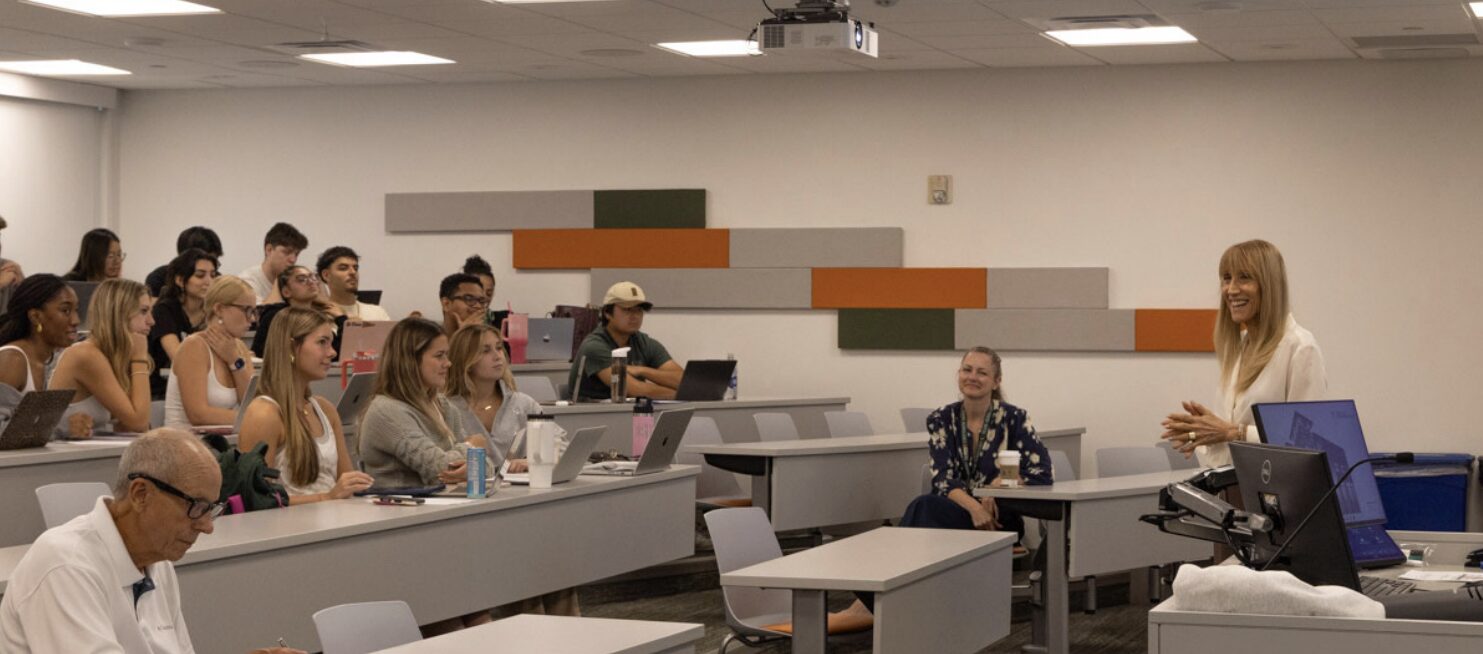
Humanities professors walk a tightrope, forced to make a neat distinction to avoid governmental oversight: politically correct versus biased speech.
Budgets are shrinking, language programs are under threat and classrooms are suddenly political battlegrounds over how language is used, what can be said and where academic freedom begins and ends. Federal cuts to programs that support language and cultural study illustrate how tricky this moment is for academia to grapple with ideas about meaning, identity and society.
Most professors take neutrality seriously. They cover the material and try to remain precise. All of which makes sense — but this restraint is more detachment than professionalism.
The most memorable classes aren’t the ones that perfectly recite the syllabus. They are the ones where professors share some perspective and nuance. Whether it’s a short anecdote or an observation delivered over a nuanced punchline, students remember these stories. These stories show the depth of the material, leading to a better understanding of it.
When professors focus so hard on “doing it right,” classrooms can feel distant and boring. Students don’t want to learn from a robot — they want connection.
Senior Sam Weissman, a political science and sociology major, praised her political science professor, Dr. Matthew Nelson.
“I feel like I can talk to him about my own personal struggles because he has shared how he was in college and grad school and how it has shaped him,” she said. “He teaches us lessons and values and makes us feel comfortable because he shares about his experience in college too.”
Instructors who integrate humor and personable examples into teaching see increased engagement among students, including more interest and participation.
We aren’t asking for confessions of deep, dark secrets. No one is asking for your first breakup story or your social security number. What matters is voice, individuality and humanity.
When a professor lets the material touch them personally, students notice. They ask more questions. They engage.
Anecdotes, humor and warmth don’t undermine rigor. They give abstract arguments relevance and they make ideas feel alive.
Especially in the humanities.
“It’s important to share core pieces of our lives to show vulnerability and honesty and paint a picture,” said communication professor Dr. Davalyn Suarez. “Humanities classes demand that of the student, and I feel it matters that the students see us do it first, immediately.”
Whether it’s teaching literature, history, religion, philosophy or politics, you’re making claims about the human condition: power, morality, belief, love, fear. Those claims feel more credible when a human mind is visible behind them.
Being present doesn’t mean being partisan. Showing how a thinker wrestles with a question is a lesson in thinking itself. Some argue that neutrality ensures fairness, but hiding behind this more than often disconnects students from the ideas themselves.
Active teaching fosters active learning. Students participate more when they feel like they’re learning from a person, not a lecture slide, as Rabbi Cook at University of Miami Hillel often says.
“People don’t join institutions. People join people.”
The best classrooms recognize that simple truth. They don’t erase the professor from the room. They let ideas live in context. They let teaching feel human.
Even in polarized classrooms, budget strains, and controversies over language and ideas, students remember what is human — not just what is taught.