


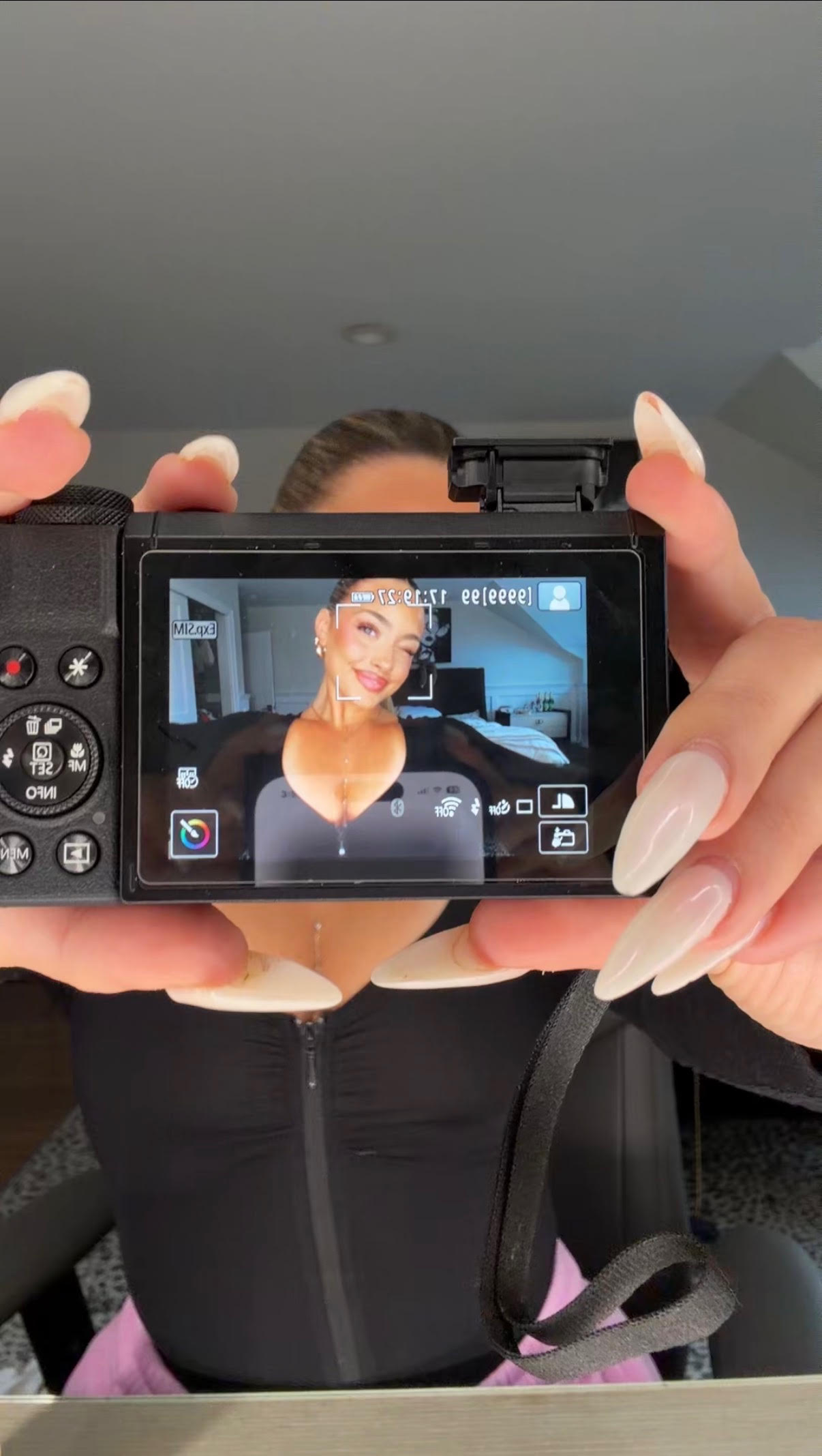
The internet has a way of deciding who you are before you ever get the chance to speak for yourself. One of the worst moments of your life becomes a headline, and suddenly, you’ve become a story so widespread that people around the world assume they know you because of one thing you said online.
I know this because of something that happened during my first semester at the University of Miami.
In the fall semester, The Miami Hurricane ran a print edition that featured freshman creators and influencers on campus. I was interviewed for an article of my own, but when I saw that I didn’t make the front cover, I took the situation to TikTok.
I was in tears and overwhelmed by how much I had invested in the “influencer dream” and how it was a wake up call that I needed to either focus more seriously on my social media or just do it for fun.
But that vulnerable and unfiltered video went viral. Not because of the lesson I thought I was sharing with my followers, but because of a tone-deaf comment I made.
The real lesson I learned was that, clearly, I had some maturing to do — like many other college freshmen. What I intended to be an honest moment turned into widely circulated content, the reaction was brutal. The comments ranged from dismissal to death threats.
Mentally, I hit rock bottom, where I didn’t know if I would get through to the next day. Some people online didn’t see me as a human being struggling with self-worth, instead they saw an opportunity to critique, mock and reduce me to a punchline.
I don’t share this story to gain sympathy or relive the past. I share it because it taught me something invaluable about narratives, identity and the power of platforms like The Hurricane. It revealed how easily context disappears in the digital age, and how quickly a single viral moment can define us instead of our full story.
But here’s the thing: that moment was real. It was raw. And it mattered to me. Yet it was only one piece of who I am, not a complete picture of my thoughts, ambitions or capacity to contribute meaningfully to the University of Miami.
So, here I am joining The Miami Hurricane, precisely because I don’t want to be known for that moment alone. I want to be known for the ideas I bring, the conversations I spark and the way I engage deeply with issues that matter to students, from digital identity and the effect being online has whether it’s about accountability or about growth.
Writing for the opinion section of a newspaper makes room for honesty — even uncomfortable honesty — and invites readers into thoughtful conversations rather than quick judgment. It values context over going viral and insight over impression. That’s the space I want to inhabit as a writer.
So yes, I cried on social media. Yes, it was real. And yes, I regret it every day. But it’s not the sum of who I am. It’s a chapter. And I’m ready for the next one.
So it’s time for me to stop being known as the “microinfluencer girl.” Instead, it’s time for me to be known as an intelligent human being who has great ideas and conversations to bring to the table. So joining The Miami Hurricane isn’t about erasing the past. It’s about proving that I don’t have to be defined by it, especially when I have something meaningful to say. It’s about personal growth and learning how to share what I feel in a productive way.