


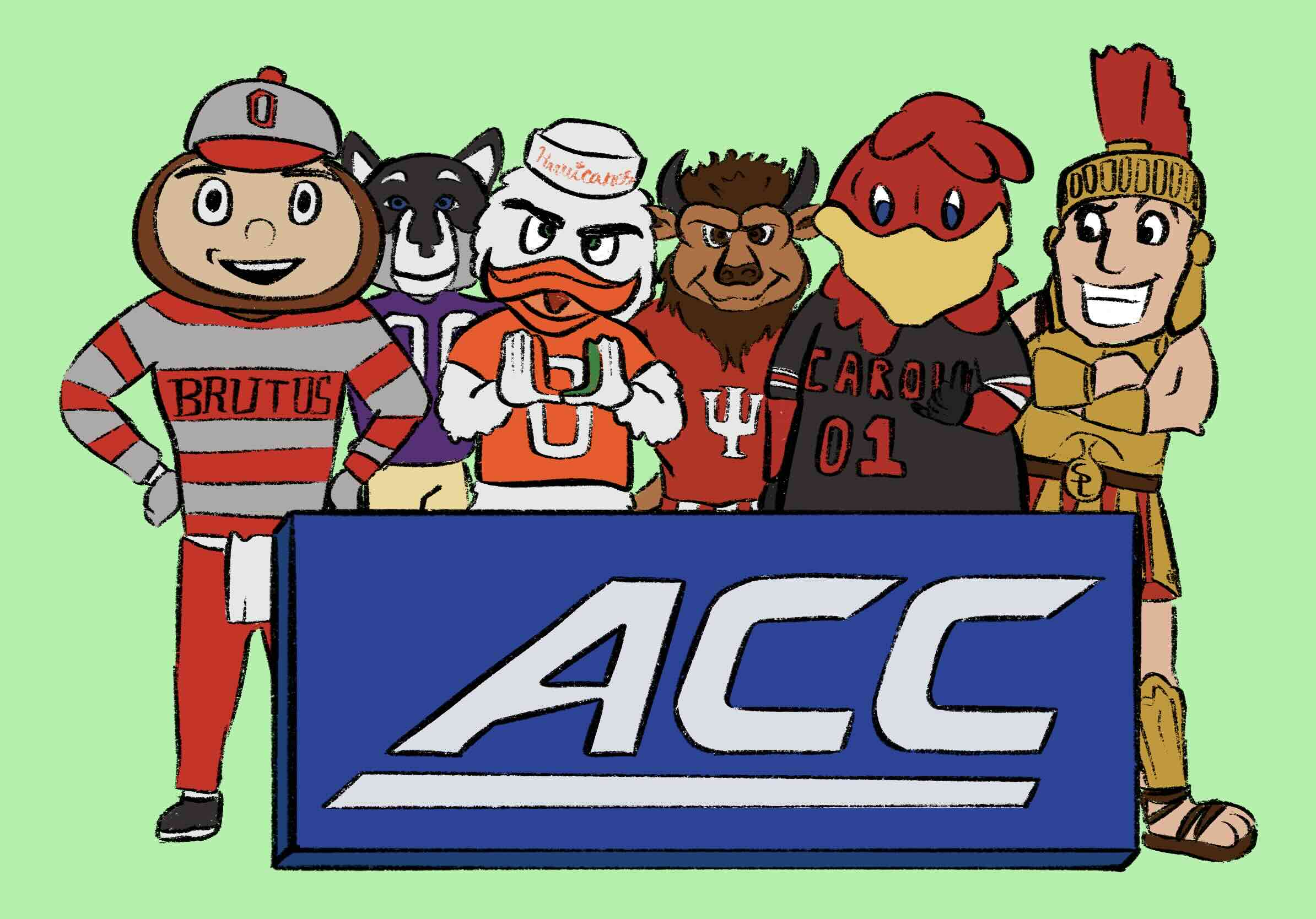
College athletic conferences were once designed to bring schools together. They shared similar geographical areas, history and identity. Rivalries spanned decades of hatred between schools, and travel was manageable enough for student athletes to succeed on and off the field.
College sports felt personal, regional and meaningful.
But today, the old conferences are being replaced by a system driven almost entirely by money and national prestige. As athletic conferences grow larger and more spread out, college athletics are losing their core identity.
One of the most damaging aspects of conference expansion is the increase in travel distance by athletic programs. College teams now fly thousands of miles across the country to face schools that most times have no cultural or historical ties to the institution that they are playing at.
These long trips are physically and mentally exhausting for the athletes that partake in them. These journeys often take place during scheduled class time, which make the athletes far more likely to fall behind on their coursework.
Over the course of an extensive season, missed lectures and exams add up which makes it increasingly difficult for student athletes to succeed in the classroom.
Beyond academics, excessive travel takes a toll on athletes’ mental and physical well being. The sheer amount of long distance flights may contribute to an athlete’s disturbed sleep and limited recovery time, creating higher stress and fatigue.
These student athletes are expected to compete at their highest level while at the same time managing tasks that many non-student athletes will never have to do. This reality contradicts the vision that college athletics are meant to support personal growth and education.
Conference expansion has also ravaged college sports of their long standing rivalries, many of which have been sacrificed in pursuit of money. A notable example of this is the disappearance of the annual University of Miami and University of Florida game.
Many fans were heartbroken when these two schools stopped playing one another annually. But as a consequence of the SEC’s expansion, it was inevitable that both these programs would stop playing each other.
These rivalries are not just games, they are traditions that are passed down by generations of students and fans. Their loss weakens the connection between the school and its community.
With more expansion comes increased television revenue, potentially strengthening athletic departments and allowing schools to invest more in their facilities, coaching and resources. While this may benefit powerhouse programs such as UM and Ohio State, the smaller schools get left behind.
When a larger school leaves a smaller school’s conference, the remaining schools in the conference lose shared revenue, media exposure and recruiting opportunities. For many of these smaller schools, budget cuts happen due to the financial constraints created by losing a source of funding for the schools programs.
These budget cuts lead to many schools cutting programs that they deem unprofitable, which eventually leads to schools like St Francis College of Brooklyn and Sonoma State University closing down their athletic departments entirely.
The rapid growth of college athletic conferences reveals a growing disparity between the business of college sports and the values of higher education. While conference realignment does generate extra revenue and brand exposure — it does not account for the welfare of student athletes, the value of education or the intense rivalries created by schools.
If the goal of college athletics is to foster both academics and competition, then conferences must seriously consider whether profit driven expansion truly serves its athletes, schools and fans who give the game its meaning.